

Study
The DESC Centre and the DAIS Department
Innovation and interdisciplinarity
The DESC Centre originates from the Department of Environmental Sciences, Informatics and Statistics (DAIS), established in 2011 through the merger of three departments: Environmental Sciences (the first in Italy, founded in 1984), Informatics, and part of Statistics. Always interdisciplinary, DAIS offers a wide range of courses and programmes.
DESC is an advanced education centre and offers additional training and research opportunities to foster professional skill development.
The DESC Centre supports students applying for doctoral programmes at DAIS through the co-funding of:
- Joint PhD Scholarships across the Computer Science and Environmental Science programmes, focusing on innovative interdisciplinary research themes.
DESC also supports students external to Ca’ Foscari University of Venice through the organisation of:
- Hackathon, intensive collaborative events designed to develop innovative solutions to complex problems within short timeframes, promoting practical training and interdisciplinary collaboration;
- Summer School, engaging students, postdoctoral researchers, and faculty in collaboration with other universities or research institutes.
Joint PhD scholarships
in Computer Science ed Environmental Science
Four joint PhD scholarships have been activated in the PhD programmes in Computer Science ed Environmental Science, two in the 40th cycle (A.Y. 2024/2025) and two in the 41st cycle (A.Y. 2025/2026), with projects aligns with the key themes of the DAIS Excellence Project.
40th cycle (a.y. 2024/2025)
- Title: Machine Learning Approaches for the Analysis and Study of Plastic Additives in the Environment and Biota
- Supervisors: prof. Marcello Pelillo (INFO-01/A) and prof. Andrea Gambaro (CHEM-01/A)
- PhD Candidates: Greta Palombella (PhD in Environmental Science) and Faiz Ur Rehman (PhD in Computer Science).
Research objectives:
- Analysing microplastic additives, which are considered emerging contaminants due to their environmental persistence and risks to human health
- Applying an interdisciplinary approach to the study of the compounds released during microplastic degradation
Methodologies:
- Quantitative analysis of common plastics, additives, and compounds released during degradation, conducted within the Environmental Science PhD programme
- Machine Learning and bioinformatics techniques within the Computer Science PhD programme to analyse collected data and identify potential compounds generated in degradation processes
41st cycle (a.y. 2025/2026)
- Title: Generative AI to support transformative actions in coastal marine adaptation planning
- Supervisors: prof. Sebastiano Vascon (INFO-01/A) and prof. Andrea Critto (CHEM-01/B)
- PhD Candidates: Gea Grassi (PhD in Environmental Science) and Anindya Nag (PhD in Computer Science).
Research objectives:
- Fill the gaps identified in the literature, primarily related to the limited availability of empirical approaches and tools to frame, explain, and model the spatio-temporal dynamics underlying the response of marine and coastal ecosystems to multiple and interactive pressures
- Provide support to policymakers and planners in defining transformative measures (including the implementation of Nature-Based Solutions) aimed at achieving the Sustainable Development Goals and the EU 2030 strategies for biodiversity and climate adaptation
Methodologies:
- Model coastal scenarios using generative models trained to simulate their evolution based on quantitative parameters and qualitative information (PhD in Computer Science)
- Develop a portfolio of solutions for climate change adaptation, taking into account both ideal scenarios in response to environmental targets set by the framework directives on the management and monitoring of marine coastal areas, and desirable scenarios expressed by stakeholders in the area (PhD in Environmental Science)
Hackathon
Hack the Environment - On Air
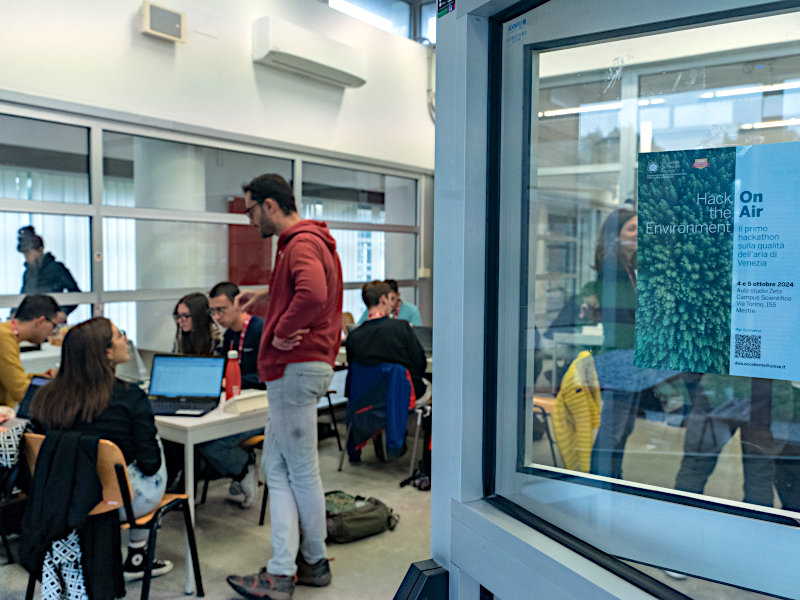
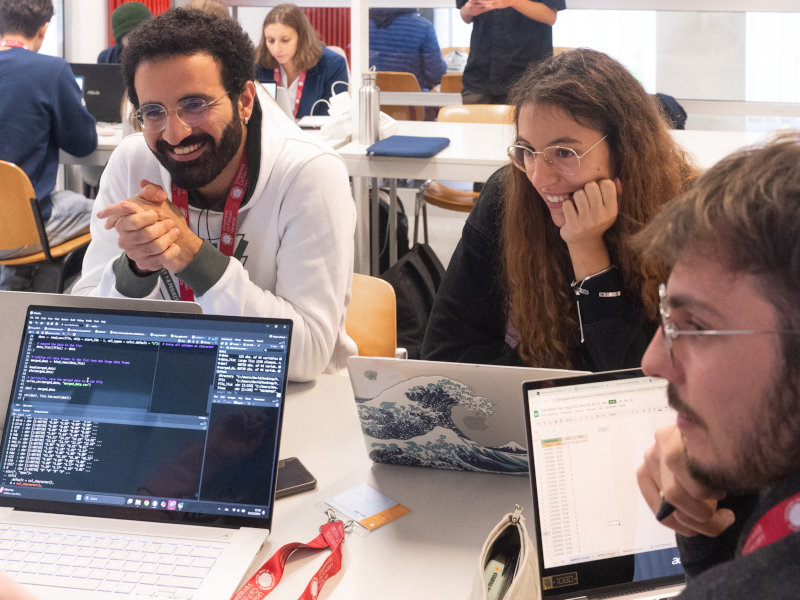
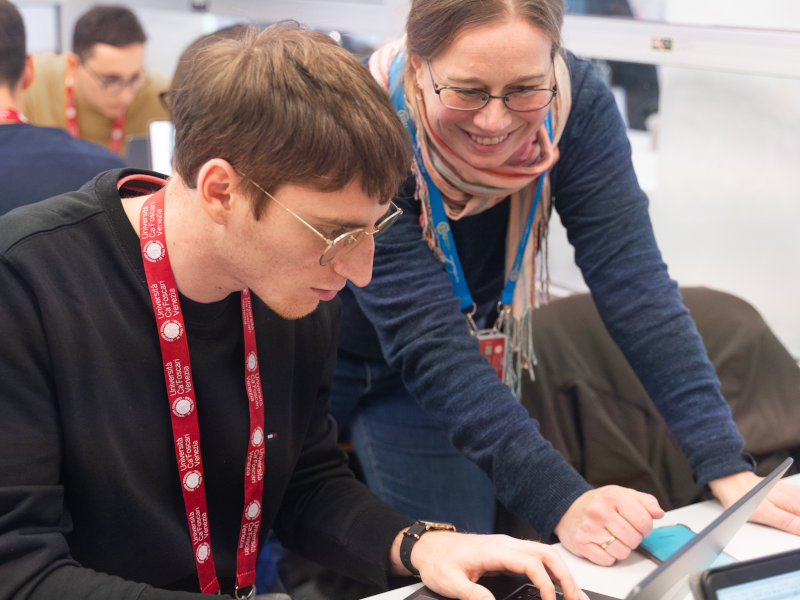
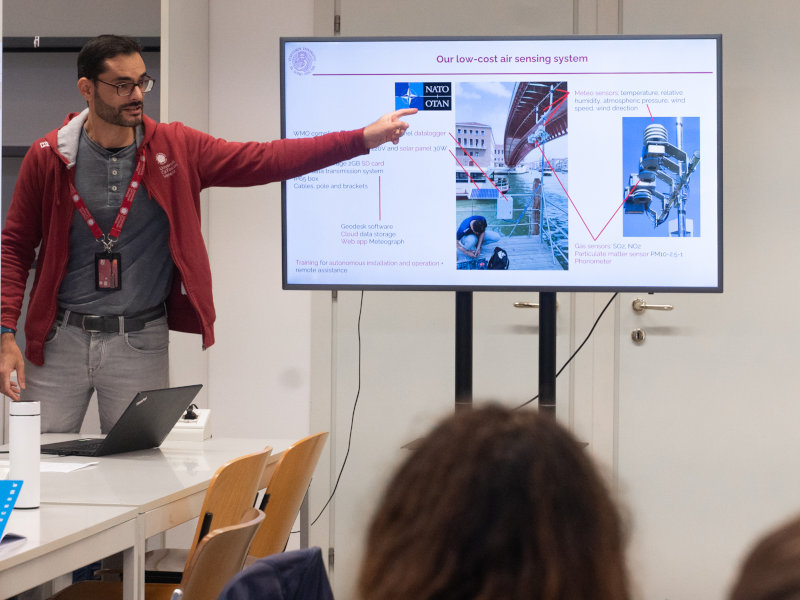
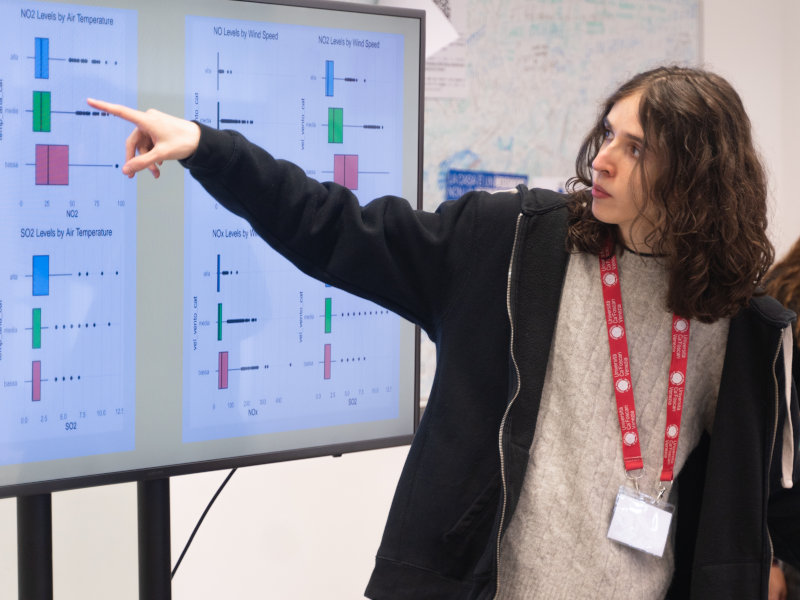
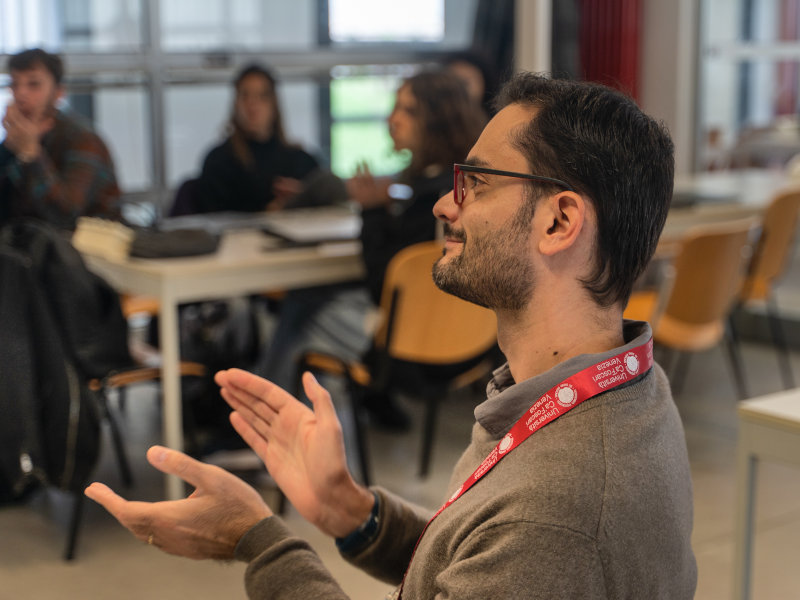
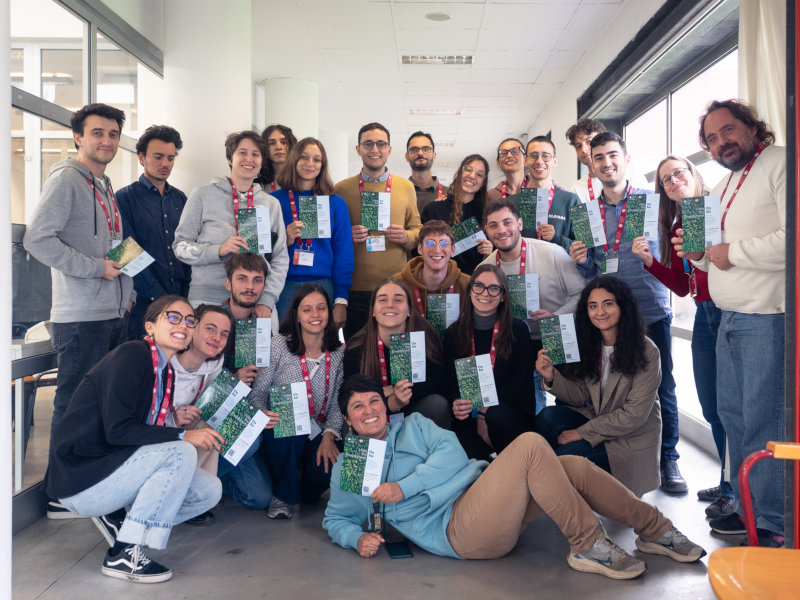
In 2024, DESC launched its inaugural Hackathon, Hack the Environment - On Air aiming to analyse data with an interdisciplinary and collaborative focus while tackling present environmental challenges. The hackathon specifically addressed air quality issues in the Venice Lagoon.
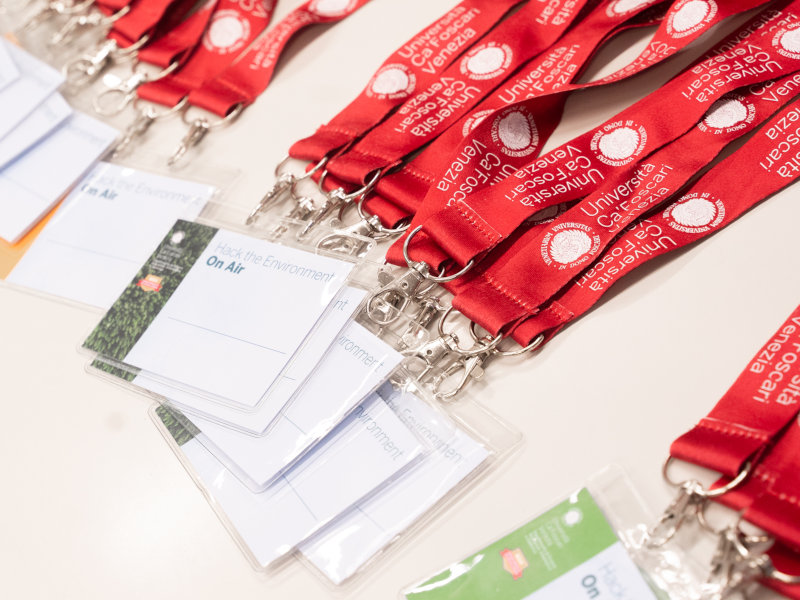
During the event, participants were organized into mixed teams and given access to a detailed database for ten hours of analysis. At the conclusion of the two-day event, each team presented their findings to a specialised panel that assessed the results with scientific rigour. Every participant earned an Open Badge acknowledging the new skills they developed.
Summer School
Introduction to Generalized Additive Models (GAMs) in R
23rd and 24th June 2025, Scientific Campus, Via Torino 155, Venezia Mestre
Instructor: prof. Simon Wood
Generalized Additive Models (GAMs) extend traditional regression models, offering flexibility for both predictive and inferential purposes. Their popularity stems from their ability to balance flexibility and interpretability, efficiently handling large datasets.
The Summer School will provide an overview of the theory, methods, and software tools for GAMs. Through hands-on sessions, participants will gain the necessary skills to start modelling with GAMs in R by the end of the course.