
Pakistan: Ca’ Foscari unearths a vast ancient monument in Gandhara



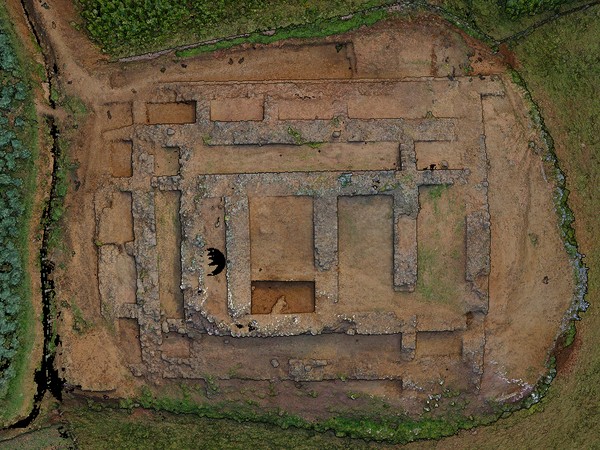
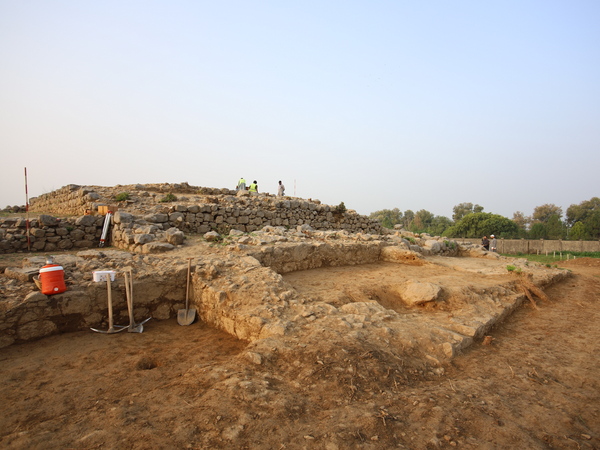
Archaeologists uncovered an ancient monument almost 100 metres long and over 50 metres wide during excavations at Jandial, in the Taxila area of Pakistan. The discovery is the result of work carried out by Ca’ Foscari University of Venice’s Italian Archaeological Mission as part of the Khyber PATH project, undertaken in collaboration with the Directorate General of Archaeology and Museums of Pakistan’s Khyber Pakhtunkhwa province and funded by the Italian Agency for Development Cooperation (AICS).
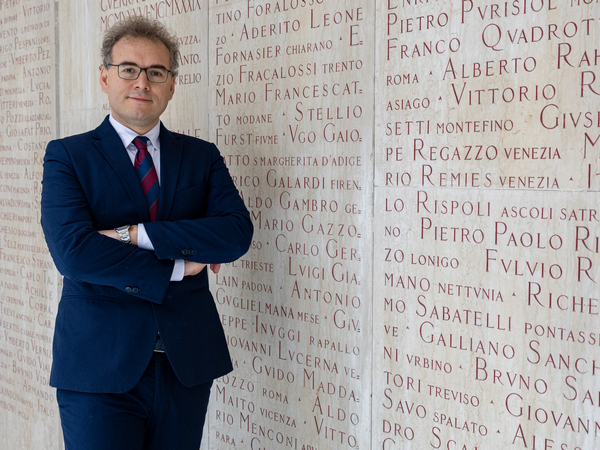
The archaeological mission in Pakistan received an award from the Pakistani Ambassador, His Excellency Ali Javed, in the presence of Dr Syed Tauqir Hussain Shah, Adviser to the Prime Minister of Pakistan and Federal Minister, who attended as Guest of Honour. Ca’ Foscari was represented by Elisa Iori, a researcher and Deputy Director of the Mission, led by Luca M. Olivieri, Professor of Archaeology of Central Asia and India at the Department of Asian and North African Studies.
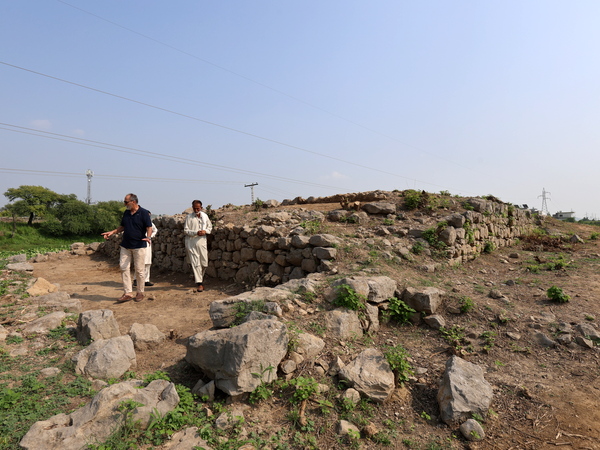
The monument, identified as Jandial D, stands opposite the famous Ionic temple of Jandial, outside the walls of the ancient fortified city of Sirkap. Although first recorded in 1864 by British archaeologist Alexander Cunningham, the complex had never been systematically investigated. Excavations, which began in mid-August 2026, have revealed an imposing structure, with walls surviving to at least one metre in height, and even higher in some areas.
The discovery is significant given the size of the complex and its location within the archaeological landscape of Taxila, one of the main historical centres of the Gandhara region. Jandial D lies along the ancient route from the northern gate of Sirkap towards Gandhara, opening new avenues for research into the organisation of monumental spaces beyond the city walls.
The building's original function has yet to be determined. It may have served as a public or religious monument, but further excavations and research will be needed to establish its purpose, chronology and relationship to the surrounding archaeological remains.
“The discovery confirms the richness and unpredictability of the region's archaeological heritage. The structure's monumental scale and strategic location raise new questions about the ancient landscape of Sirkap and the wider Gandhara region,” says Olivieri, Director of Ca’ Foscari's Italian Archaeological Mission in Pakistan.
The discovery also highlights the need to protect archaeological heritage of exceptional value, which is increasingly under pressure from urban expansion. The Taxila area, home to important archaeological remains recognised by UNESCO, continues to yield new historical evidence, underscoring the importance of extending research, documentation and conservation efforts to lesser-known areas of archaeological sites.
Opposite the Jandial D monument, a section of Sirkap's ancient rammed-earth fortifications, known as Kacha-Kot, also survives and needs appropriate conservation measures.
The Jandial excavation campaign is part of the Khyber PATH project, which has been operating for a year at eight archaeological sites across Khyber Pakhtunkhwa province, from Swat to the Taxila area. The initiative is carried out by Ca’ Foscari University of Venice's Italian Archaeological Mission in partnership with the province's Directorate General of Archaeology and Museums, with logistical and financial support from ISCOS. The sites involved include Bazira, also known as Barikot, in the Swat Valley, which is listed on UNESCO's World Heritage Tentative List. At Sirsukh, in the Taxila area, the project is undertaking excavation, presentation and conservation work on several sections of the ancient fortifications. Through cooperation between Italian and Pakistani institutions, Khyber PATH brings together archaeological research and heritage conservation, deepening understanding of a region that has long been a major crossroads in the cultural history of South Asia.