Research
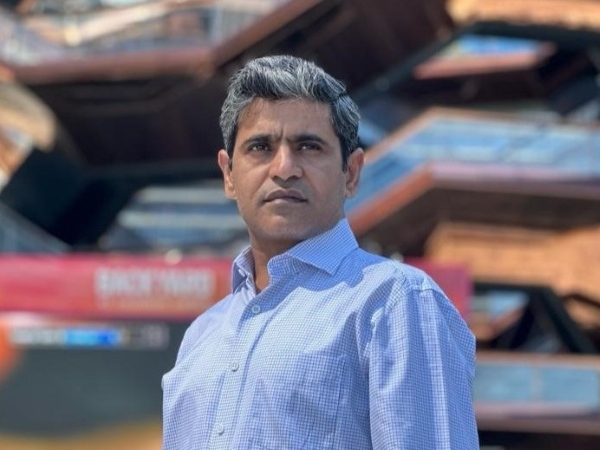
What does it mean to be a father when your parenting is confined to a smartphone screen? Hosted by the Department of Philosophy and Cultural Heritage, the research project "TFNMPC - Transnational Fatherhood, Negotiating Masculinity and Parental Care in the Digital Communication Era" delves into the lived experiences of Pakistani migrant men in Italy.

The European Research Council (ERC) has announced that “ConScrIt – Concurring Scripts. Allography in Italy (1000–1800)” has been awarded the prestigious ERC Advanced Grant, one of Europe's most competitive funding schemes for frontier research. This marks Ca’ Foscari’s first ERC Advanced Grant since 2010.
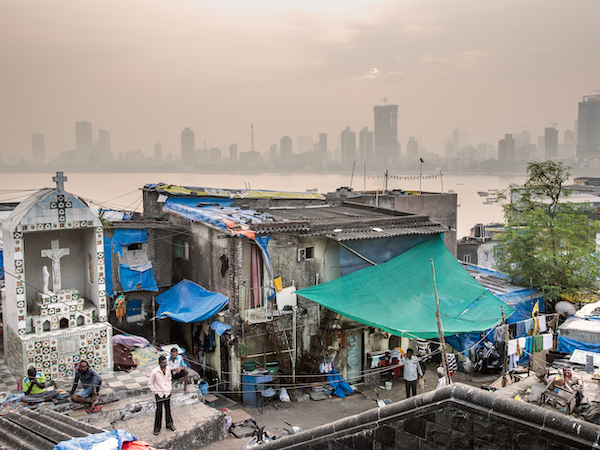
Where and who does heat hit hardest?
Published in Nature Sustainability, the first multidimensional assessment of Systemic Cooling Poverty across 28 countries in the Global South shows that vulnerability to extreme heat is determined not only by climate, but also by other factors such as infrastructure, inequality, health and working conditions
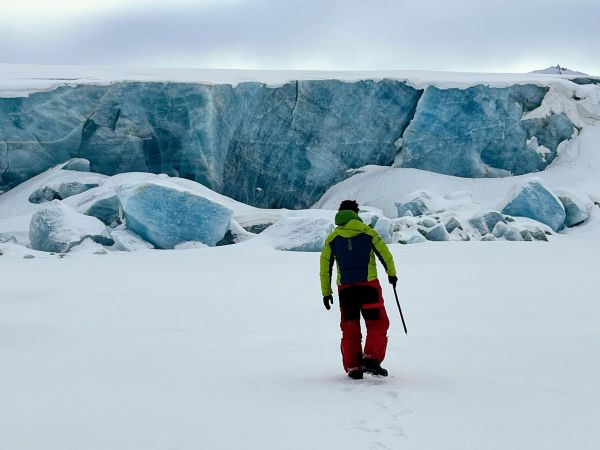
Svalbard: Arctic snow as an unexpected laboratory of natural chemistry
A study published in Science Advances and conducted by the Institute of Polar Sciences of the National Research Council of Italy in Venice (Cnr-Isp), in collaboration with Ca’ Foscari University of Venice, the University of Perugia and other international partners, has identified for the first time the presence and formation mechanism of bromate in the Arctic snowpack. Bromate is a bromine compound, a chemical element of particular importance in this region because it is involved in processes that characterise the Arctic atmosphere.
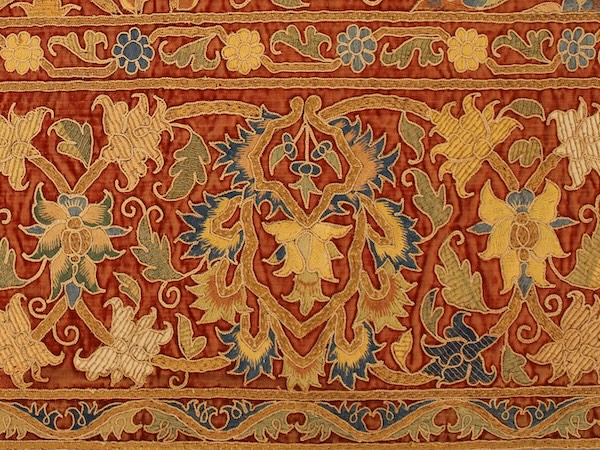
Research by art historian Ilenia Pittui (Ca’ Foscari University of Venice), recently published in Kervan – International Journal of Afro-Asiatic Studies, reconstructs the history of a discussed needlework carpet preserved at the Pitti Palace, definitively clarifying its original place of production and dating. Supported by diagnostic analyses and archival research, the investigation proves that the carpet is a Chinese production and confirms its dating to the 17th century. It also reveals previously unknown golden characters, painted on the reverse in close proximity to the selvedges.
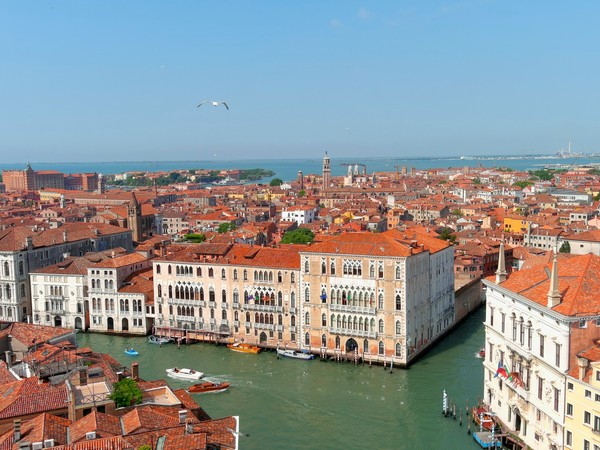
5 reasons (+1) to choose a ‘Marie Curie’ at Ca’ Foscari. Infoday: 9 April
A ‘Marie Curie’ can change your life: Ca’ Foscari is one of the most popular host institutions in Europe and has the largest Italian alumni community of this ‘Erasmus’-like programme for research. The Marie Skłodowska-Curie Postdoctoral Fellowships call opens on 9 April and closes on 9 September 2026. To learn more, register for the Infoday on 9 April.
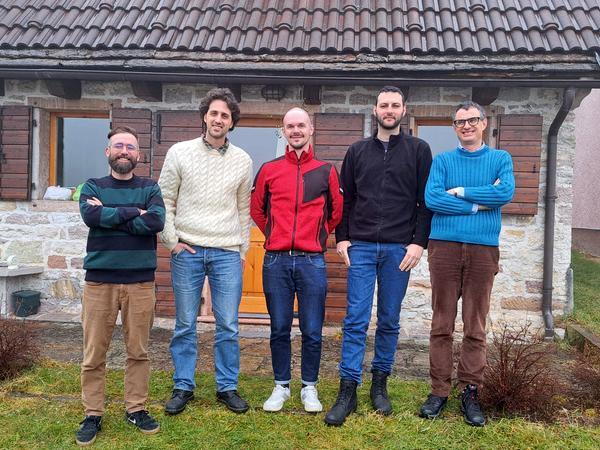
Ca’ Foscari Software Tool Claims a Spot on the Global Podium
At the SV-COMP 2026 software verification competition, LiSA technology secured third place in the Java programs track, earning a bronze medal. This achievement is especially notable as it is the tool’s first participation in the contest.
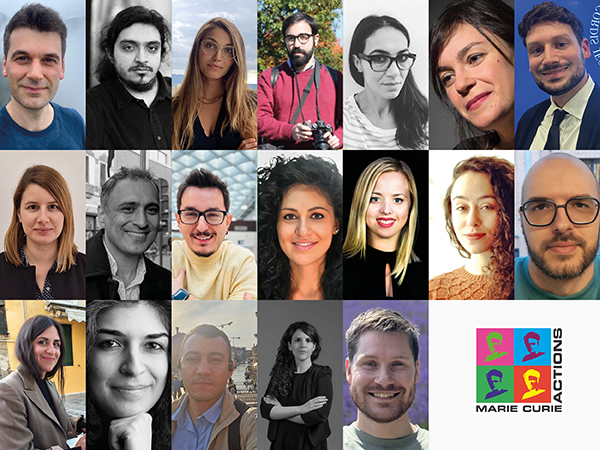
Ca’ Foscari Secures 19 ‘Marie Curie’ Grants And Ranks Among Europe’s Top 10 Universities
With a record number of applicants and fierce competition (only 1,606 projects were selected from 17,066 submissions worldwide), Ca’ Foscari secured €4.9 million. The Venetian University attracts talent from 12 international institutions.
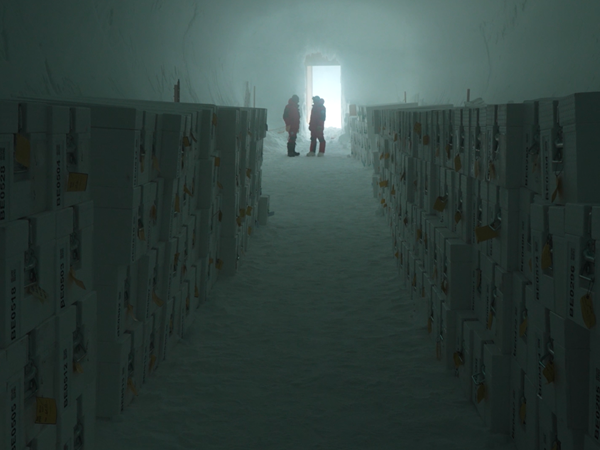
From the Alps to the Antarctic Plateau, precious ice cores carrying the memory of Earth’s past atmosphere are now safely stored at Concordia station in an ice cave designed to preserve mountain ice for future generations of scientists.