
Resources
DAIS Herbarium database
The DAIS Herbarium database is the outcome of an extensive project to catalogue and digitise the botanical collections held by the Department of Environmental Sciences, Informatics and Statistics at Ca’ Foscari University of Venice. It brings together herbarium records documenting plant specimens collected predominantly in Italy, particularly in the north-eastern regions, while also including material from other European and non-European countries.
The database currently contains metadata for more than 4,000 herbarium records, representing over 1,600 taxon names, 600 genera and 120 botanical families. The structure of the database provides a detailed and consistent index of the herbarium holdings, supporting both taxonomic and geographical searches.
Designed for academic staff, students and researchers in botany, ecology and environmental sciences, the database facilitates the identification and retrieval of specimens relevant to specific research questions. Its structured and cross-referenced metadata provide a basis for the progressive digitisation, scientific valorisation and long-term management of the DAIS Herbarium collections.
For physical access to the Herbarium and requests for information, please contact the curator, Prof. Edy Fantinato.
Experimental infrastructures
Chemistry at DAIS
Environmental monitoring equipment
Thanks to funding from the Ministry of Education, University and Research, the DESC has acquired cutting-edge equipment for environmental sampling and analysis. These instruments facilitate both the study and monitoring of environmental pollutants, as well as the characterisation of relevant molecules produced through green processes or those rooted in the circular economy. The newly acquired material complements the broad range of equipment of the Service Centre for University Scientific Instruments [ITA]
DESC has acquired:
- two samplers for air quality analysis, designed for measuring and sampling atmospheric particulate matter.
- two water samplers, designed for detecting and analysing contaminants.
- two automated sample preparation systems that optimise the analytical process.
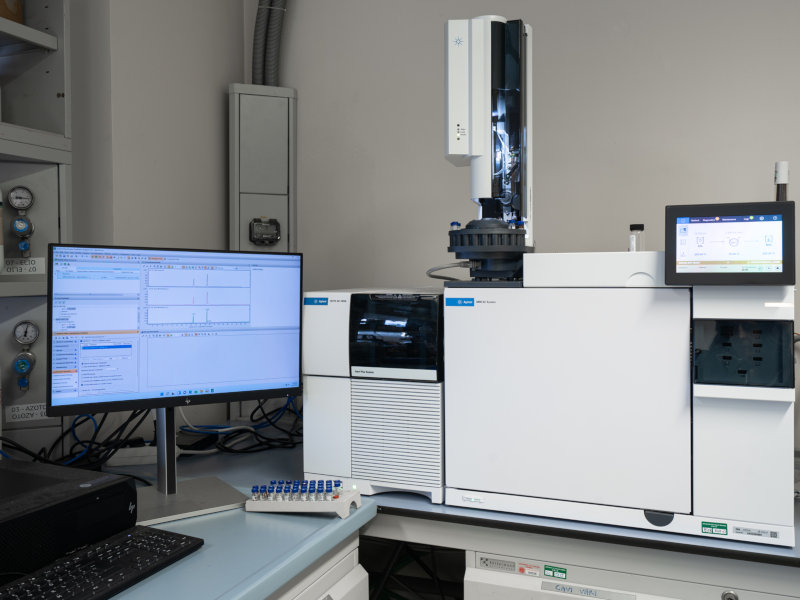
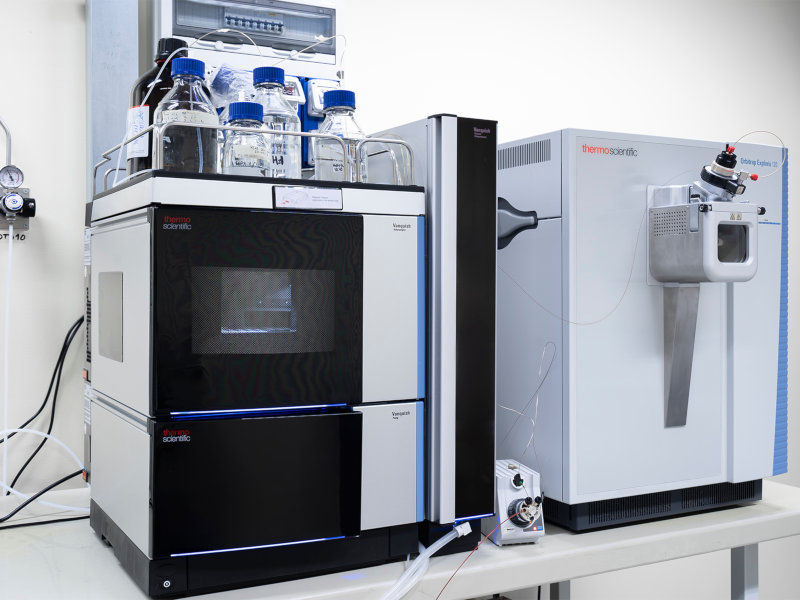
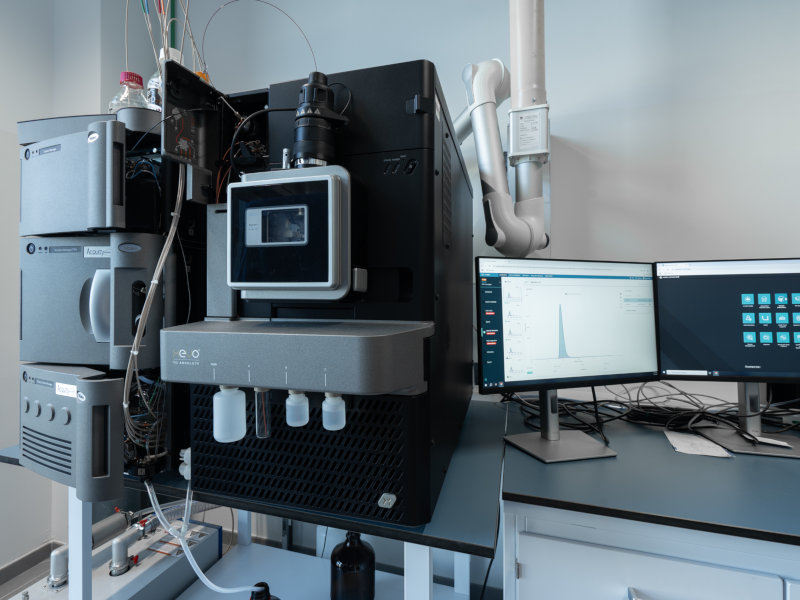
For chemical analysis, DESC has acquired three next-generation mass spectrometry instruments, both high- and low-resolution. These represent the state-of-the-art in:
- trace quantification of chemical compounds.
- compound characterisation through gas chromatography (GC-MS) and liquid chromatography (LC-TQ and LC-FT-Orbitrap).
Engineering at DAIS
The engineering area of DAIS is organised into three primary branches, each devoted to distinct research and innovation sectors. Two of these are especially connected to DESC's focal interests.
Industrial and environmental engineering
This long-standing area of research focuses on industrial processes relevant to the environment, with particular emphasis on the treatment of secondary solid and liquid matrices. The technologies involved form a modern biorefinery: an ecosystem of engineered processes that perfectly adapt to specific environmental contexts, including extra-terrestrial environments. Analytical, environmental, and green chemistry are crucial in supporting this system, aiming to monitor and minimise the overall environmental impact.
DAIS has an advanced research platform at the Treviso wastewater treatment plant, designed to develop biological technology-based processes at both laboratory (bench scale) and pilot scale. The available resources include:
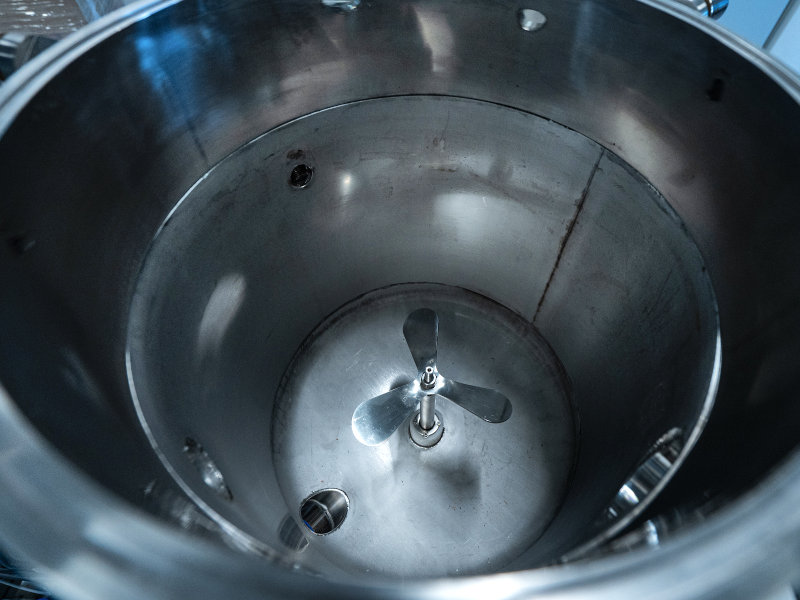
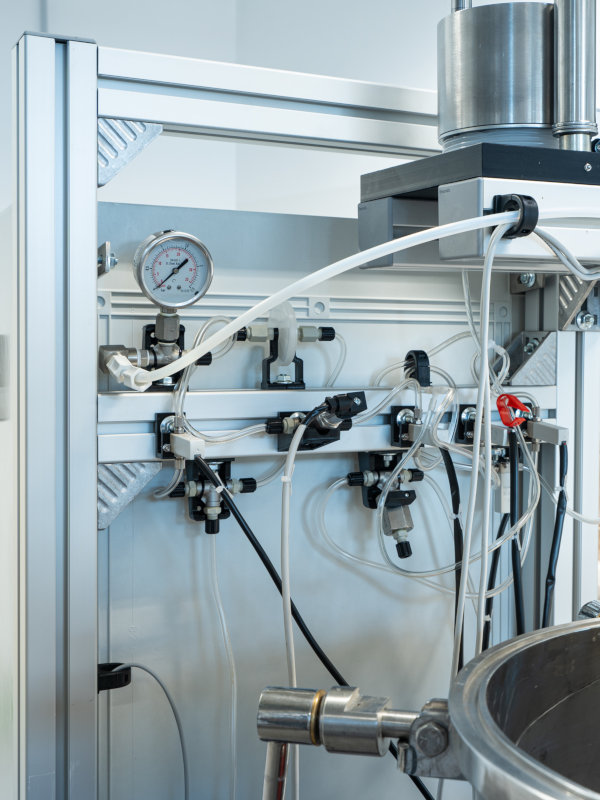
- fermenters, digesters, and photobioreactors with capacities ranging from a few litres to hundreds of litres, fully equipped for online and offline monitoring, aimed at enhancing environmental matrices and bioproduction of biostimulants and biopolymers.
- solid/liquid separation systems based on membrane technologies (ultrafiltration and reverse osmosis) for downstream applications and selective product recovery.
- an on-site research laboratory equipped with advanced instruments, including gas chromatographs, microwave digesters, and laboratory-scale bioreactors.
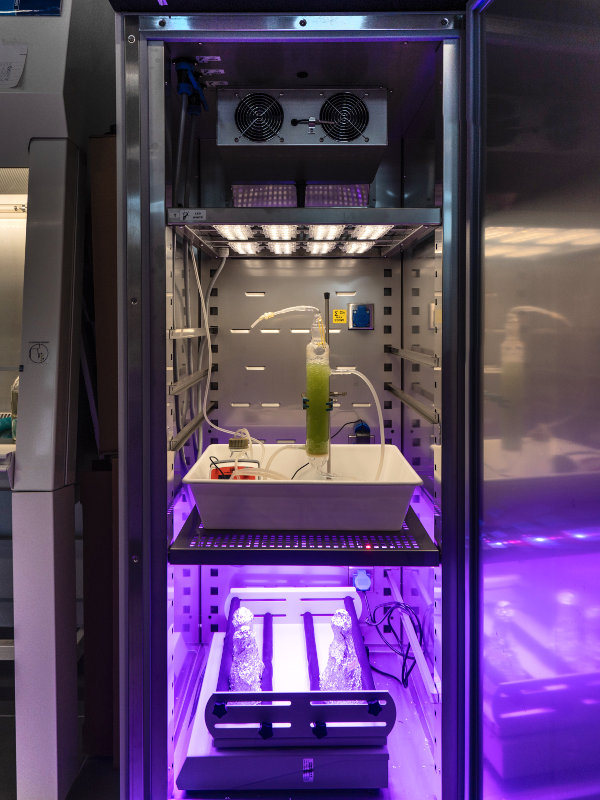
A second laboratory, situated at the Scientific Campus on Via Torino in Mestre, is dedicated to biological processes, primarily centred on microalgae production. This lab also possesses gas chromatographs to support its research activities.
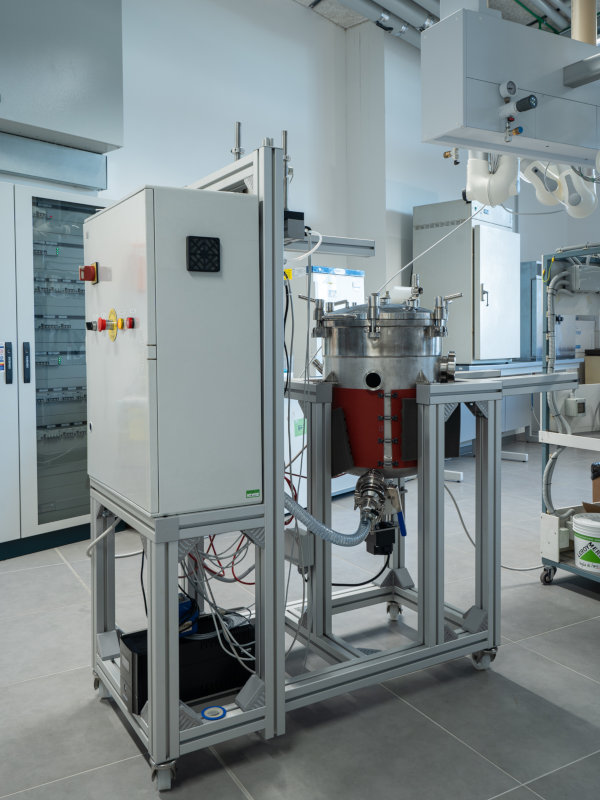
The Centre also has semi-automated pilot plants designed to engineer innovative biological processes, with applications in the energy, biochemical, and environmental remediation sectors. Key equipment includes:
- a 50-litre anaerobic digester and two 5-litre reactors for optimising operational conditions for food waste valorisation.
- three photobioreactors and a thermostated incubator for microalgal biomass production.
Energy efficiency and indoor environmental quality
This field focuses on improving building energy efficiency, enhancing comfort, and optimising indoor air and environmental quality, and DESC is equipping itself with a cutting-edge climate chamber designed to simulate controlled environmental conditions.
People spend an average of 85% of their time indoors. Indoor Environmental Quality (IEQ) directly affects well-being, health, and productivity. Additionally, occupants' perception of environmental conditions can significantly influence energy consumption.
The laboratory aims to create a flexible space to simulate various environments, such as:
- open-plan offices
- classrooms
- meeting rooms
The laboratory enables the recreation of both indoor and outdoor environmental conditions to conduct tests on comfort and indoor space quality. Through these capabilities, it aims to develop and promote the concept of "user-oriented design", which can positively impact building energy efficiency.