
Research projects
Chemical Sciences and Technologies for Cultural Heritage
Ongoing projects
ATLAS - Studying symbiotic scenarios linking Heritage assets and green areas to prepare Historic Cities to face Climate Changes
JPI climate CCH23_00082, International Call “Collaborative Research Action (CRA) on Climate and Cultural Heritage” (CCH 2023). (2024-2027)
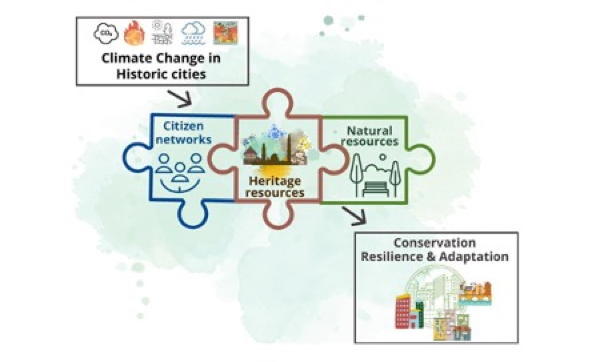
Climate change (CC) is causing dangerous temperature increases, floods, droughts, and fires in historic cities and their surrounding areas, with repercussions for citizens and the condition of cultural heritage (CH). In this context, green infrastructure (GI) is emerging as a sustainable solution to mitigate the impact of CC and improve urban liveability. However, without a study of the symbiotic relationship between CC and CH, the expansion of GI could compromise the conservation of immovable cultural heritage.
To address the challenge of implementing sustainable policies to face climate change in Historic Cities, ATLAS employ interdisciplinary approaches and digital technologies for: modelling the scenarios of CC risks in Historic Cities, managing Immovable CH and GI and, predict potential impacts. ATLAS municipalities managers will enable to identify and evaluate risks, understand human behavior during emergencies, and minimize damage in Immovable CH caused by CC as pollution, urban heat islands, floods, and fires.
ATLAS will conduct studies in five Historic Cities (Seville, Antequera, Valencia, Treviso, and Grenoble) in three European countries (Italy, Spain, and France) to validate these tools in various scenarios (Mediterranean, Mountain and Continental).
Website: ATLAS
nanoHERCULES - nanoparticles for HERitage and CULture in Environmental Sustainability
PRIN2022JESYN (2025-2027)
Study and development of materials for the conservation and consolidation of natural and artificial stone materials.
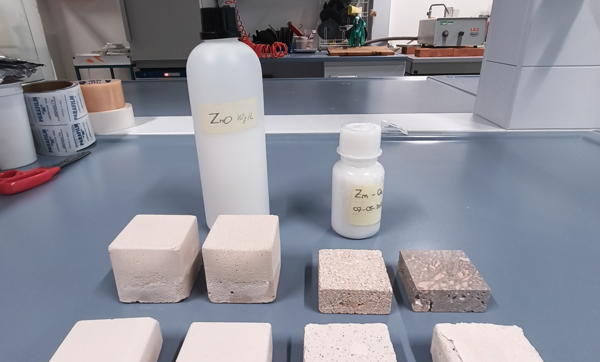
The nanoHERCULES project develops innovative, sustainable, and scalable methods for the production of alkaline-earth metal hydroxide and oxide nanoparticles (Ca(OH)₂, Mg(OH)₂, ZnO, iron oxides) for use in cultural heritage conservation. Through an eco-friendly, single-step synthesis based on ion exchange, carried out in water under environmental conditions, the project generates high-purity, monodisperse nanoparticles suitable for large-scale applications. Functionalisation strategies are explored to improve stability, compatibility, and antimicrobial performance. Advanced multi-technique characterisation (including SANS, SAXS, XAS, XPS, AFM, and Raman) enhances the understanding of nanoparticle properties and their interaction with cultural heritage materials. The project tests these materials on stone, mortars, and wood, assessing their efficacy and durability, as well as their potential toxicity. Upscaling procedures and feasibility studies prepare the transition to large-scale production. In situ applications at major archaeological sites further confirm the effectiveness of the treatments. The project involves a collaboration between Ca’ Foscari University of Venice, the CNR units in Padua (ICMATE), Messina (ISP), and Grenoble (IOM-ILL), the University of Verona, and the University of L’Aquila.
Web references: nanoHERCULES (ISP)
CREST (CHANGES) - Cultural Resources for Sustainable Tourism
Research line Conscious participation, cultural heritage and community monitoring (2023-2025)
The CHANGES project – Cultural Heritage Active Innovation for Sustainable Society – is structured as a partnership comprising 11 Universities, 4 Research Institutions, 3 Schools for advanced studies, 6 Companies, and 1 Centre of Excellence, and is organised into 9 Spokes. Spoke 9, named CREST (Cultural Resources for Sustainable Tourism), sees the Ca' Foscari University of Venice as project leader.
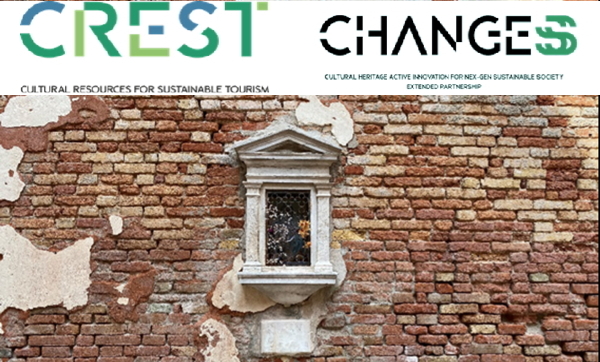
Within the CREST project, our researchers’ activities aim to assess the effects of climate change on Venetian "erratic" heritage, including through active citizen engagement. A monitoring methodology is being developed based on recording key morphological parameters of the state of conservation and transformations of this heritage-consisting of coats of arms, patere, shrines, etc., distributed throughout Venice’s historic centre-also thanks to the collaboration with the Cultural Heritage Protection Unit of the Municipality of Venice’s Civil Protection Department, which has been cataloguing the city’s erratic heritage.
The impacts of climate change and tourist pressure on this widespread heritage will be recorded on dedicated maps, making it possible to assess their extent in relation to exposure and identify the areas of the city most subjected to these stresses.
Funding: European Union NextGenerationEU
Website: Spoke 9 CHANGES [ITA]
Completed projects
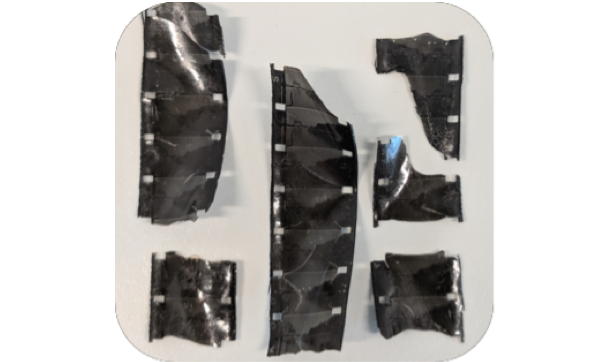
PRIN 2022 - funded by the European Union - NextGenerationEU 2023-2025
FilmBaseMatters highlights the role of the chemical industrial complex as a fundamental auxiliary sector in the development of early forms of mobile and portable cinema in Italy. By combining the cultural history of cinema, film aesthetics, and media archaeology, the project explores the material properties of film formats and the political and cultural factors that shaped them:
- during the Fascist era—with a particular focus on Agfa-Milano—when raw materials and technologies for audiovisual communication contributed to an expansion of control and governance over society and industry;
- throughout the 1950s and 1960s—with a particular focus on Ferrania—when new institutional pressures led to the increasing commodification of small-format cinema.
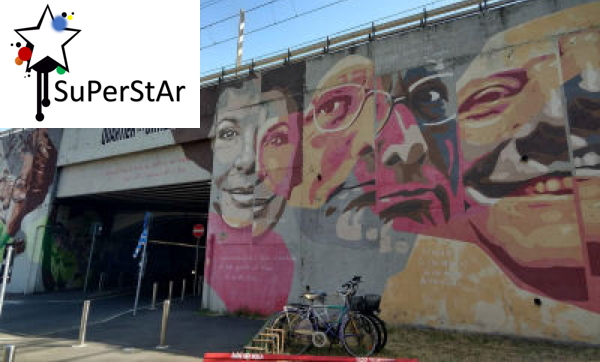
2021-2024
The PRIN-2020 SUPERSTAR project aims at defining innovative guidelines for the development of a conservation strategy for street art, with a view to safeguarding its powerful social and cultural message in the urban context. A combination of non-invasive and micro-invasive techniques will shed light on the chemical-physical properties and vulnerability aspects of modern pictorial constituent materials. The study will be conducted in the laboratory on reference materials and with research conducted on relevant case studies located in different urban environmental contexts. The focus is on the materials used by the artists, the interaction with the environment and its risks anthropogenic stresses.
Website: PRIN-2020 SUPERSTAR
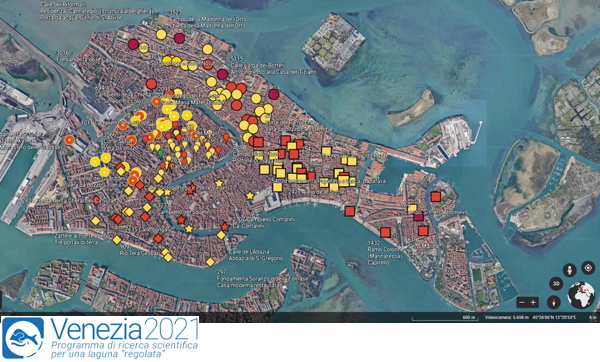
Linea 5.3. Climate change adaptation plan and implementation of intervention strategies to safeguard the architectural heritage (2019-2022)
The Venezia2021 Research Programme involves about 200 researchers from all CORILA member bodies (Ca' Foscari, IUAV and Padua Universities, and the national research bodies CNR and OGS) and is divided into five themes and fifteen Lines, each with specific objectives. Within the framework of the IUAV-UNIVE interdisciplinary group that deals with the construction of specific intervention strategies for the conservation of cultural heritage, our researchers have developed activities aimed at characterising the lagoon landscape, defining and constructing the cognitive framework of the conditions of conservation and vulnerability of lagoon architecture both through the examination of indirect sources and through case studies. At the same time, through in situ and laboratory experimentation, it has developed non-invasive monitoring procedures for studying the dynamics of capillary rising in masonry. Finally, through the examination of archive images and field monitoring, it has arrived at the definition of monitoring and control systems for Venetian buildings.
Website: Venezia2021 [ITA]
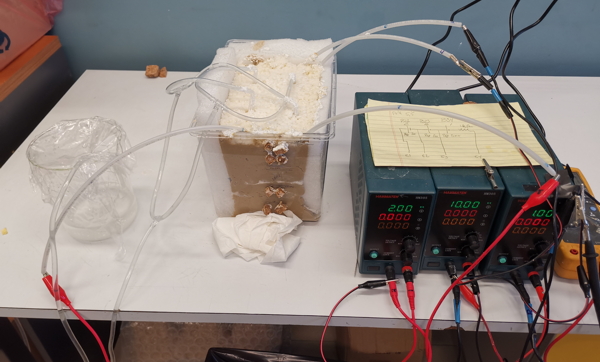
The project studies innovative systems for the preservation of Venetian monuments severely affected by saltiness. The project, which is funded by Leonardo, SNAM and Intesa Sanpaolo, is proposed in collaboration with the Superintendency of Venice, also for interventions on pavement stones in numerous Venetian churches that are often subject to interaction with seawater and degradation caused by saltiness.
2021-2022
SPECIAL SUPPLEMENTARY FUND FOR RESEARCH (FISR) - MUR
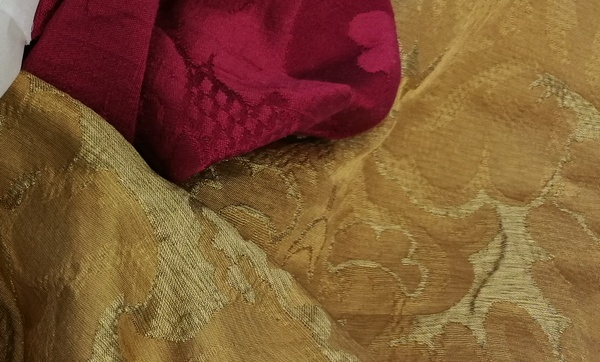
In this pandemic time, we have heard repeatedly about "sanitisation", "disinfection" and the like, which are used to make the environments we frequent safer. But what is the impact of these substances in particularly delicate environments such as museums, historical residences and places of worship embellished with silks and materials which need to be treated with special care? Our research team led by Elisabetta Zendri, Eleonora Balliana and Fabio Aricò investigated this particular aspect with a study on the possible impact of the formulation suggested by the Italian Ministry of Culture (water 20%, alcohol 75%, benzalkonium chloride 5%) on silk fabrics, given their widespread use as upholstery in many historic residences and places of worship. The experimental results obtained to date do not show any significant chemical transformations of the silk fibre resulting from accidental contact between the sanitising solution and the fabric, but significant colour changes were detected in correspondence of the areas of contact between the solution and the silk. It has also been observed that benzalkonium chloride, a bactericide present in the sanitising solution, can deposit on the fibres of the fabric and modify their structure, facilitating the condensation of water on the fibres. In this case, one cannot exclude the activation of degradation processes linked to the microclimatic storage conditions of the artefact.
Programa Estatal De Fomento De La Investigación Científica Y Técnica De Excelencia - Subprograma Estatal De Generación De Conocimiento – Ministerio De Economía Y Competitividad, Spain (2020-2023)
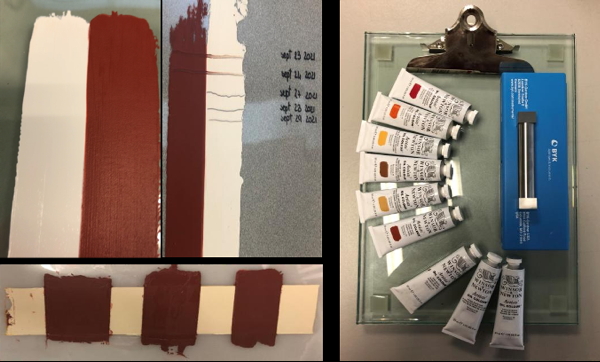
During the MIMO Project, which is coordinated by Prof. Laura Fuster-Lopez of the Universitat Politecnica de Valencia, the aim is to study the migration of metal ions within paint layers and to identify the chemical, mechanical and visual effects that influence the formation and durability of oil paints.
Call for joint project proposal for the years 2021-2023
Indo - Italian Centre of Excellence for Restoration and Assessment of Environmental Impacts on Cultural Heritage Monuments
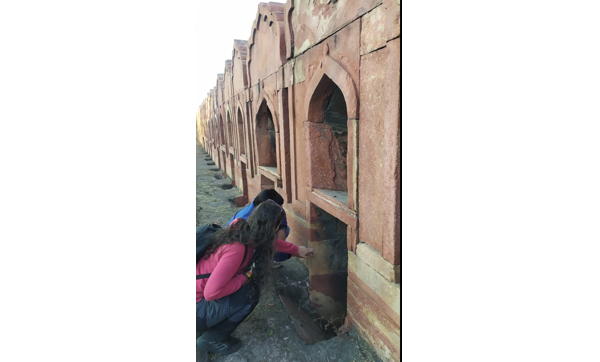
The project aimed to strengthen collaboration between Italian and Indian institutions in the fields of conservation, restoration, and the enhancement of cultural heritage. This collaboration involved the exchange of knowledge, expertise, and experience among experts through joint research activities, staff exchanges, workshops, seminars, and training initiatives. Particular attention was devoted to the study of materials and the processes of degradation affecting monuments and works of art, with the goal of understanding the impact of environmental conditions, pollution, and climate change on their preservation. The outcomes of these joint scientific activities are intended to support the development of strategies and intervention plans aimed at preventing degradation and ensuring the long-term restoration and conservation of cultural heritage.
Furthermore, the project sought to establish a stable, long-term Italian-Indian collaborative network by conducting studies and interventions on real-world cases and developing new joint projects. The project involved collaboration among Ca’ Foscari University, the Indian Institute of Technology Kanpur (IIT Kanpur), the Indian Institute of Technology Roorkee (IIT Roorkee), the Archaeological Survey of India (ASI), the Superintendency of Archaeology, Fine Arts and Landscape for the Municipality of Venice and its Lagoon (SABAP), the Central Institute for Restoration (ICR), and Nadir S.r.l.
Funding body: Italian Ministry of Foreign Affairs
ProMeSA - of the mechanical and dimensional properties of commercially manufactured paint films and their influence in the physical and chemical degradation of modern and contemporary paintings (2016-2019)
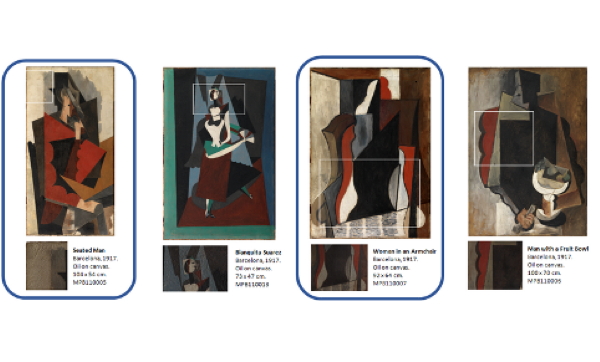
The project, which was coordinated by Prof. Laura Fuster-Lopez, Professor of Conservation at the Universitat Politècnica de València, focused on the combined study of the chemical composition and physical-mechanical degradation mechanisms that occur in modern and contemporary works of art in order to adapt preventive conservation measures for paintings.
The research benefited from the collaboration of the Picasso Museum in Barcelona, thanks to which it was possible to study several masterpieces by Pablo Picasso.
- L. Fuster-López, F. C. Izzo, C. K. Andersen, A. Murray, A. Vila, M. Picollo, L. Stefani, R. Jiménez & E. Aguado-Guardiola Picasso’s 1917 paint materials and their influence on the condition of four paintings in SN APPLIED SCIENCES, vol. 2, 2020
- A. Vila, A. Murray, C. K. Andersen, F. C. Izzo, L. Fuster-López, E. Aguado-Guardiola, R. Jiménez-Garnica, A. Scharff Picasso 1917: An Insight into the Effects of Ground and Canvas in the Failure Mechanisms in Four Artworks, Conservation of Modern Oil Paintings, Springer, Cham, pages 245-253, 2020
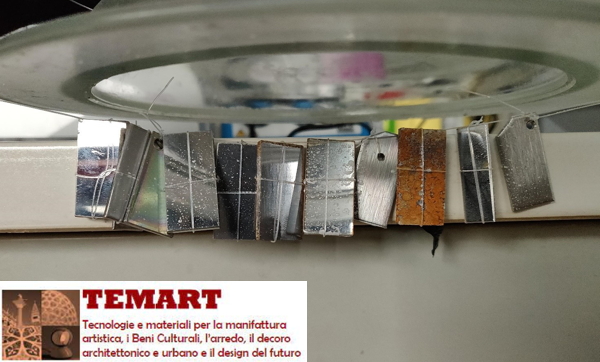
POR FESR 2017-2020
The project aims at enhancing technical and scientific knowledge and the ability to develop new combinations of manufacturing technologies and materials that meet the needs and capacity for innovation in the domains of artistic craftsmanship, restoration of cultural heritage, furniture and design.
Study, development and validation of innovative technological applications capable of prototyping and producing components and products of artistic and design value.
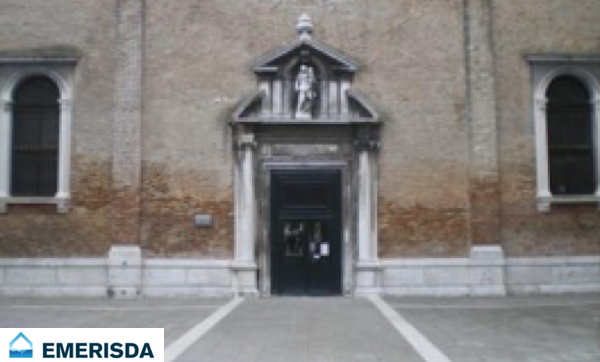
JPI Joint Programming Initiative - Joint Heritage European Programme 2014-2017
A study of the effectiveness of methods against rising damp in buildings also in relation to climate change. Development of common protocols and tools for the conscious choice of masonry renovation technologies. The project saw the collaboration of BBRI Belgium, CNR-ISAC Bologna, TU-Delft Delft University of Technology, Cultural Heritage Agency of Belgium, Ca' Foscari University Venice, Restauri Speciali S.R.L., Diasen.Our group focused on:
- the analysis of capillary rising in Venetian masonry, with the production of a database analysed with statistical tools to assess the dynamics prevailing in the lagoon city
- the monitoring of a polarised bar system in a section of masonry in St Mark's Basilica.
Website: Emerisda
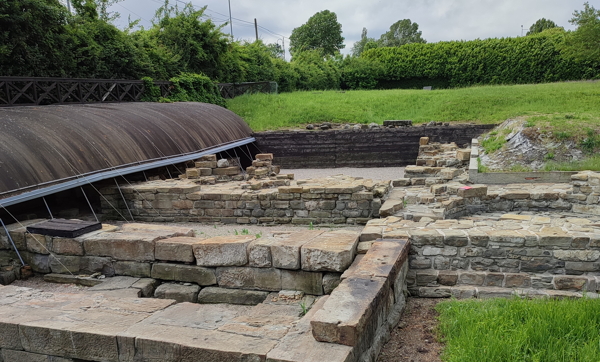
2022
INTERREG V-B Adriatic-Ionian ADRION Programme 2014-2020 Restricted fourth call for proposals - Priority Axes 1, 2 and 3
The overall objective of the APPRODI PLUS project is to improve and extend the impact of the original APPRODI project. In particular, will enhance three aspects: the definition of an interactive map of the historic ports of the Adriatic Sea. The map will be interactive, providing points of interest and hypertexts that make the tool more attractive to the user and easy to use.
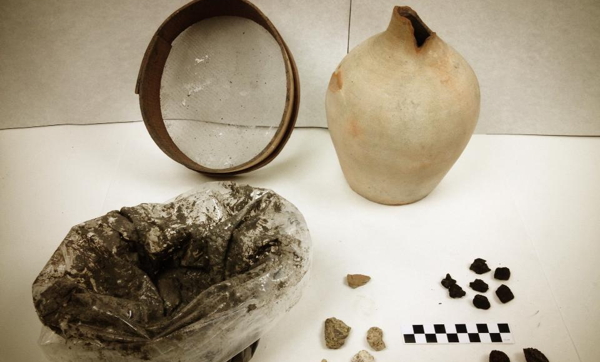
2018
Approdi aims to a prosperous and integrated Adriatic and Ionian Region. Its eco-touristic strategy seeks to unlock the potentials of Europe’s seas and coastal area. The project will enhance new and ecological forms of tourism based on old commercial maritime
routes and ancient ports’ reemergences. The key/research sites are Venice (Torcello Early Middle Age Harbor Area), Zadar, Ortona, Zadar, Dubrovnik, Durres, and Corfù.
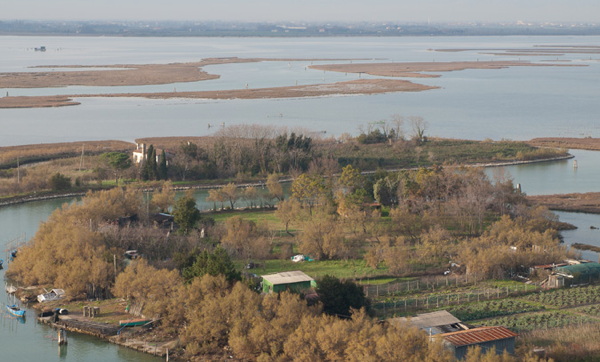
The Pilot Action in Venice-Torcello aims to test the feasibility of a zero-impact innovative archaeological park.
Using the exciting moment of the discover given by the archaeological excavation opened daily to the public, Venice has the opportunity to narrate in a very distinctive way its origins and its maritime history.
Website: APPRODI
2015-2018
The idea underlying the Torcello Abitata project came about following the positive experience of the excavations carried out as part of the Shared Culture European Project, the result of a fruitful collaboration between the Veneto Region and Ca' Foscari University of Venice. Starting from the results achieved in the recent excavation campaign, the project proposes an absolutely innovative way of scientifically approaching archaeological activity, associating an anthropological-ecological vision, the on-site archaeometric study of the finds, the development of sustainable methods for the recovery and conservation of artefacts, and the sharing of research and excavation phases by opening the site to the public during the excavation phases.
Website: Torcello Abitata
2013-2018
VoicesOfVenice develops a new concept of archaeology, integrating the current debate on ecological degradation and the anthropological theory of materiality to re-evaluate the process of Europeanisation through the formation of new settlements in the Venetian lagoon in late antiquity. Through this project, direct access is given to original data from archaeological excavations on the island of Torcello, including archaeological remains, environmental samples, and stratigraphic sequences. By studying original topographical features, stratigraphic groups rich in artefacts, and characterising and preserving artefacts in ceramics, glass, metals and bone, our research group is working to reconstruct the inhabited spaces on the island, in order to investigate the critical transition from the Late Antiquity to the Early Middle Ages in a land that straddles the Mediterranean and Central-Northern Europe.
Website: VoicesOfVenice
2011-2013
EU Interreg Project Shared Culture, Cross-border Cooperation Italy-Slovenia 2007-2013
Strategic Project for the Knowledge and Use of Shared Cultural Heritage 2007-2013
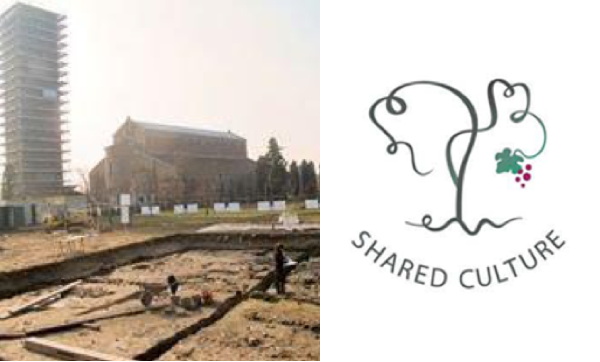
In agreement with the Municipality of Venice, owner of the investigated areas, and with the concession of the Italian Ministry of Cultural Heritage and Activities, Ca' Foscari University of Venice and the Veneto Region have developed a plan of action aimed at enhancing the cultural heritage of the project area and increasing its recognition by a vast and diversified audience through the restoration, cataloguing and digitisation of artefacts. In particular, our group focused on pilot projects for the excavation and restoration of artefacts at archaeological sites on the island of Torcello (2012), the cataloguing and digitisation of artefacts, the online catalogue of sources and documents, and the training of professionals in the restoration sector.
Website: Shared Culture [ITA]
2016-2022
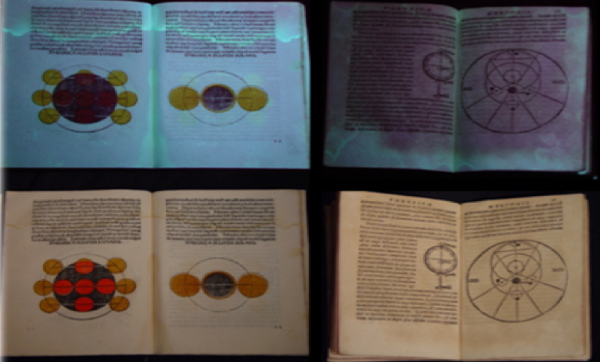
The ARGEIA project, which was initiated thanks to the collaboration between Ca' Foscari University of Venice, EPFL, the Swiss Federal Institute of Technology in Lausanne, and Ateneo Veneto, aims at providing essential support to the knowledge of books as material artefacts, the evaluation of their conservation history and the development of damage prevention projects.
In its initial phase, the project enabled the systematic study of 60 printed books produced in different European areas and in different periods (from the 16th to the 19th century) using non-invasive techniques (multispectral analysis, XRF and FTIR spectrophotometry, spectrocolorimetric analysis) to monitor the state of conservation of the works and for the specific assessment of suitable conservation conditions. The developed procedure will also be extended to contemporary works and smart control and prevention systems will be implemented.
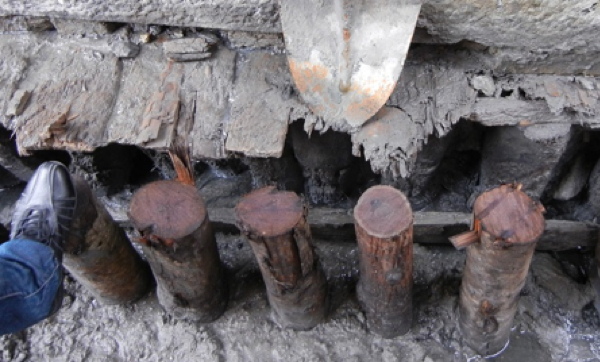
CORILA Project - Veneto Region 2009-2012
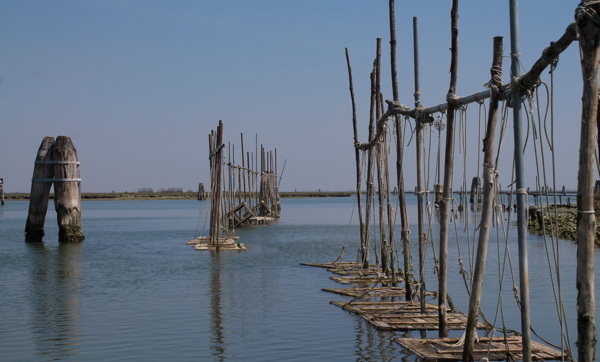
The aim of the project is to study the behaviour of foundation piles of Venetian buildings immersed in mud and to identify possible chemical, physical and biological deterioration processes.
The project, which was conducted with the participation of CORILA, CNR- Ivalsa, Insula spa, Ca' Foscari University of Venice and the University of Padua, and the support of the Superintendency for Architectural and Landscape Heritage of Venice and the Lagoon, showed that despite the fact that wood is sometimes very degraded, the 'system' in which earth and water are also at work can continue to support Venetian marble façades and palazzi. Finally, a survey protocol was developed that can be used systematically by institutions and private individuals for the monitoring and maintenance of city foundations.
Website: CORILA [ITA]
Euromed Heritage 4 project 2009-2012
The ELAICH project (Educational Linkage Approach In Cultural Heritage), in collaboration with the Technion- Israel Institute of Technology, the University of Antwerp, the National Technical University of Athens and the University of Malta, increases awareness of the importance of Cultural Heritage and its conservation by particular target groups within the general public , such as youth, with a focus on built heritage. Didactic-experiential activities were organized with courses for the enhancement and study of the materials of cultural heritage for the preparation of an e-learning course. The eLAICH educational toolkit was developed and made accessible to the general public through the eLAICH e-learning platform, using the Learning Management System (LMS), the Content Management System (CMS) and information and communication technologies (ICT).