Presentation

Why choose this programme
this degree trains Conservation Scientists — professionals specialising in the study, diagnosis and conservation of cultural heritage — through a solid multi- and interdisciplinary education that combines scientific knowledge and skills with advanced methodologies and technologies
thanks to modern, well-equipped laboratories, extensive fieldwork, and opportunities to work on real case studies (from architecture, archaeology, history of art, etc.), you will learn to liaise with other professionals involved in the protection and conservation of cultural heritage, serving as a technical and scientific point of reference. We are the only ones in Italy offering a laboratory dedicated to the sciences applied to modern and contemporary art
Overview
The Master’s Degree Programme in Conservation Science and Technology for Cultural Heritage, taught in English, trains professionals in diagnosing and conserving cultural heritage, offering a robust interdisciplinary scientific foundation that integrates chemistry, physics, biology, computer science, and geology with innovative preservation technologies.
This programme — the only one in Italy offering an advanced laboratory dedicated to the conservation of modern and contemporary art — examines both the techniques and theories necessary for conservation projects, from diagnostic analysis to hands-on restoration of artworks.
Thanks to cutting-edge laboratories and extensive fieldwork opportunities, you will receive advanced scientific and methodological training, working directly within Venice's complex cultural heritage system.
The aim of the programme is to provide solid methodological, scientific, and practical knowledge, enabling you to approach the key stages of cultural heritage conservation responsibly and professionally.
During the first year, you will explore the main themes and settings in which a Conservation Scientist operates, as well as the latest advances in diagnostics, materials science, and innovative methods for studying and conserving cultural heritage. The second year provides advanced knowledge and skills, emphasising the importance of learning from both sciences and humanities. Significant focus is placed on internships, including opportunities abroad, and on the final thesis, which involves conducting research in the field of conservation, often in collaboration with national and international research institutes and organisations, or with private companies.

Opinions

Programme coordinator
“Do you want to help protect the beauty of our cultural heritage? With the Master’s Degree Programme in Conservation Science and Technology for Cultural Heritage, you can become a Conservation Scientist and work in the field of study, diagnostics, and conservation of cultural heritage. This programme is also the only one in Italy to offer access to an advanced laboratory dedicated to the conservation of modern and contemporary art.”
Matteo Albano
Student
“I believe that the multidisciplinary approach, fostering independence in addressing challenges, lessons taught in English, and a close rapport with the teaching staff all contribute to comprehensive personal and professional growth. These elements help students learn how to engage with those who possess greater experience and knowledge. Using a language other than one’s own also encourages the mind to reinvent itself and adapt to a new way of communicating.”
International network, experience abroad and employment

European partnerships and international exchange projects are in place to help you enter the job market. You will have the opportunity to take part in internships and training placements at other universities and research institutes in Italy and abroad, as well as in museums, libraries, heritage authorities, and businesses in the sector.
Ca' Foscari has over 1,500 partnerships with international institutions, including programmes like Erasmus+ and Overseas, enabling students to study and intern abroad.
Ca' Foscari's Career Service guides you into the world of work with advice services, CV support, meetings with institutions and companies, and the search for and setup of training internships in Italy and abroad.
After graduation
you will be able to work in public or private sectors within companies, organisations, research institutes, and institutions involved in the conservation, restoration, and promotion of cultural heritage (e.g. heritage authorities, museums, libraries, and archives)
as a diagnostic expert or conservation scientist, you will have the opportunity to work in research on diagnostics applied to conservation and restoration. You may be involved in the design and implementation of experimental protocols and teaching activities, or work in the field of curation and conservation, serving as a technical and scientific reference point
Where
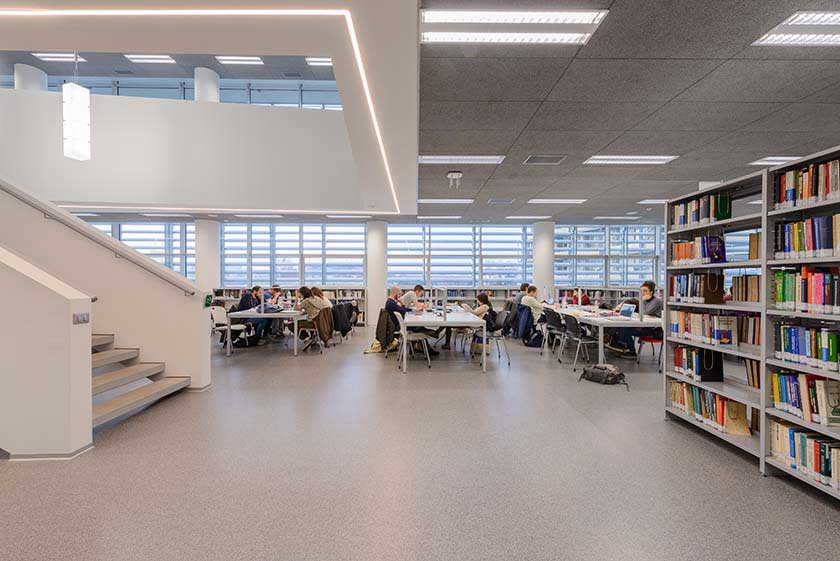
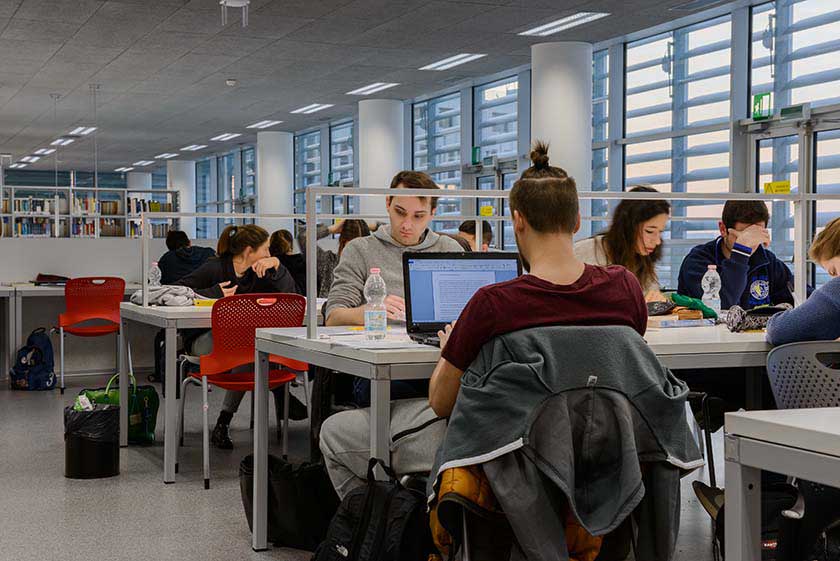
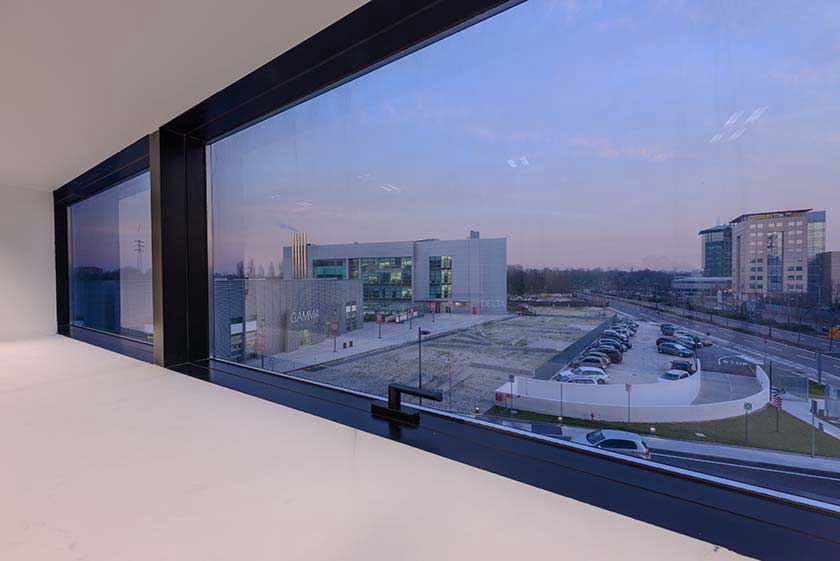
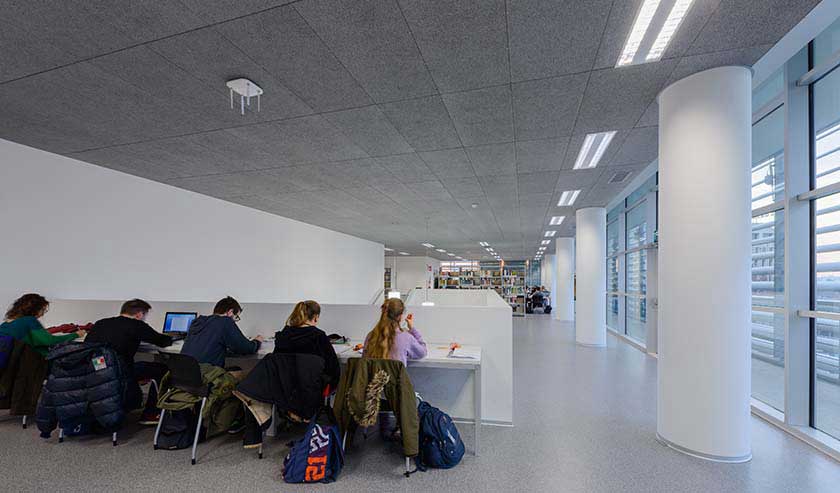
Department of Environmental Sciences, Informatics and Statistics
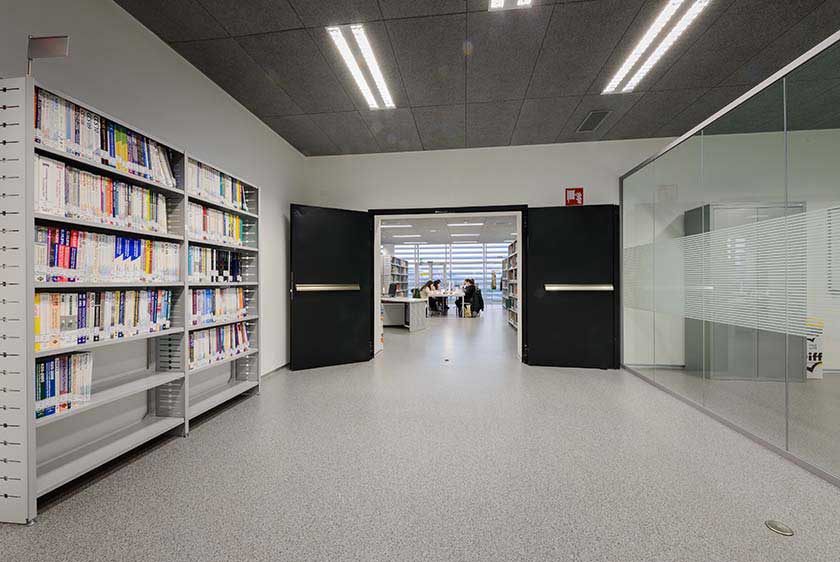
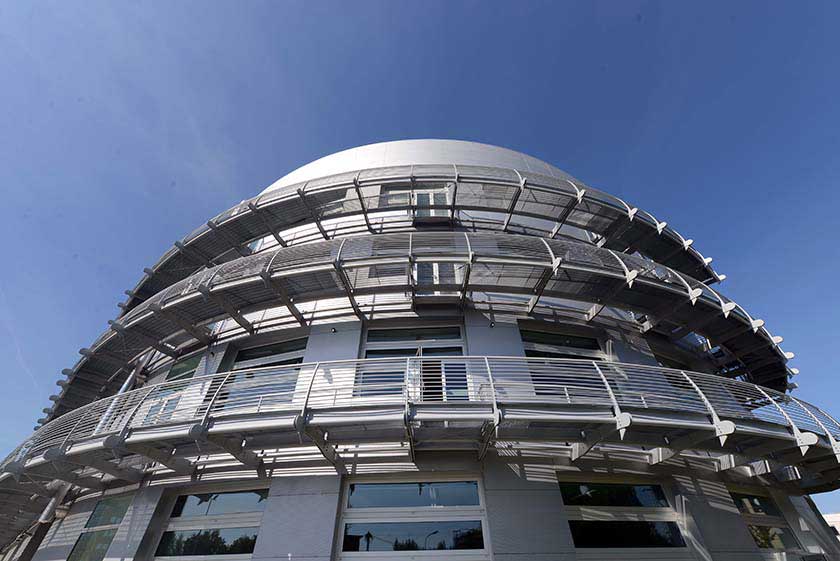
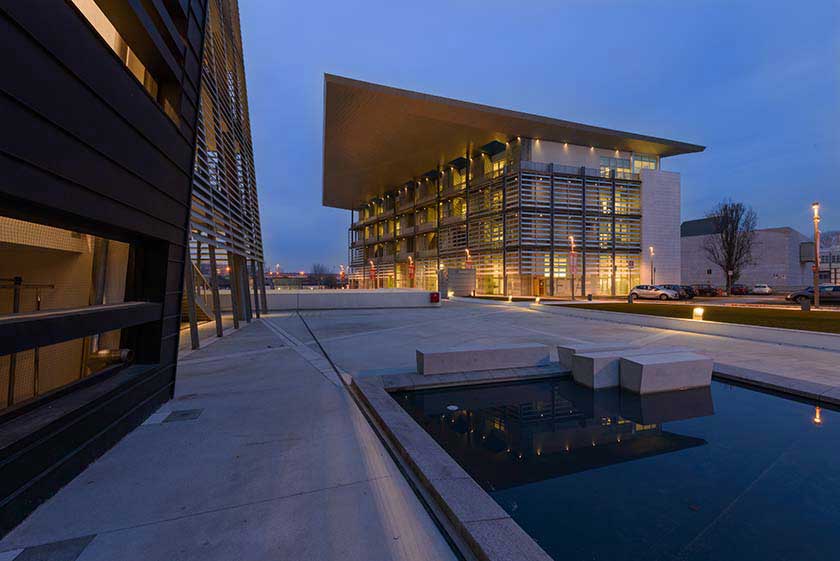
Scientific Campus, Via Torino 155, 30170 Venezia Mestre (Italy)
Contacts
Scientific Campus
ADiSS - Scientific Campus
Via Torino 155 [ITA], Epsilon building (ground floor), 30170 Venezia Mestre (Italy)
Campus services: campus.scientifico@unive.it
External internships: stage.areascienze@unive.it
Information tutors: tutor.campus.scientifico@unive.it
Degree programme website (permalink): www.unive.it/degree/cmr60
 Follow Instagram webpage ConservationScience@CaFoscari