

Vice-Rectors
Deputy Rector, with responsibility for Relations with Asia

The Deputy Rector assists the Rector in carrying out their duties, coordinating the University’s governance activities and representing the University when the Rector is absent or unable to perform their duties. As part of her responsibility for relations with Asia, she promotes the development of academic, scientific and institutional cooperation strategies with Asian countries, building on one of the defining and distinctive features of Ca’ Foscari’s identity within the international higher education landscape.
The role of Deputy Rector therefore has a dual nature: on the one hand, it provides a key point of coordination and ensures continuity in the University’s governance; on the other, it encompasses responsibility for a specific area — Asia — that is deeply rooted in the University’s history. Ca’ Foscari was founded as the Royal Higher School of Commerce and has historically looked towards Asia. The 2026-2032 term aims to build systematically on this tradition, with the ambition of establishing Ca’ Foscari as an academic gateway of global importance for Europe’s relations with Asia.
- Assisting the Rector in coordinating the University’s governance activities and strategic initiatives.
- Performing the functions of Deputy and representing the University when the Rector is absent or unable to perform their duties.
- Promoting integration and coordination among the University’s various delegated areas and organisational structures.
- Supporting the implementation of the strategic priorities established by the University’s governing bodies.
- Defining and coordinating strategies for relations and cooperation with universities, research organisations and institutions in Asian countries.
- Promoting agreements, partnerships and academic and scientific cooperation initiatives with Asia.
- Supporting the development of international mobility opportunities for students, graduates, faculty and researchers between Ca’ Foscari and Asian countries.
- Enhancing the University’s role as a European point of reference for the study of Asian languages, cultures, societies and economies.
- Strengthening relations with diplomatic missions, cultural institutions and economic stakeholders from Asian countries.
- Promoting the University’s international standing within the leading academic and scientific networks in Asia.
Vice-Rector for Research
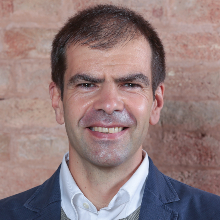
The Vice-Rector for Research supports the Rector and the University’s governing bodies in defining and implementing strategies for the development of research at the University, promoting quality, integrity, impact and competitiveness at national and international level. The Vice-Rector works to strengthen the University’s capacity for research and project development, guiding Ca’ Foscari through changes in the European and national research landscape and promoting innovative approaches to the production and application of knowledge.
The Vice-Rector works to create the conditions for all areas of research, from established to emerging fields, to develop on an equal footing and with appropriate support.
- Defining and coordinating the University’s research development strategies.
- Promoting and monitoring research assessment processes and the quality of research outputs.
- Supporting the University in developing strategies to position itself within the national and European post-NRRP research environment.
- Monitoring opportunities and developments relating to future European research and innovation programmes, including instruments aimed at enhancing European competitiveness and strategic impact.
- Transforming Research for Global Challenges into a Future & Foresight Studies programme focused on major systemic transformations and promoting interdisciplinary research.
- Supporting the development of Living Labs and other open experimentation environments designed to strengthen the impact of research on the local area and society.
- Supporting the valorisation of research results and the strengthening of national and international research networks.
- Monitoring indicators relating to the quality, impact and competitiveness of the University’s research.
- Coordinating policies and initiatives concerning research integrity, ethics and responsibility, the use of artificial intelligence in research, and open science.
- Providing strategic direction for and coordinating the University’s research infrastructure.
Vice-Rector for Academic Programmes
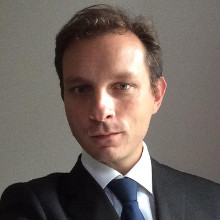
The Vice-Rector for Academic Programmes supports the Rector and the University’s governing bodies in designing, developing and innovating the University’s educational programmes, ensuring their quality, sustainability and alignment with the needs of society, the labour market and the international context. The Vice-Rector promotes the development of Bachelor’s and Master’s degree programmes and of flexible, innovative educational models, including pathways based on micro-credentials and lifelong learning.
- Coordinating policies for the design, development and review of Bachelor’s and Master’s degree programmes.
- Promoting the quality, innovation and sustainability of the University’s educational programmes.
- Supporting Departments in defining and updating degree programmes.
- Monitoring the alignment of the University’s educational programmes with its strategic objectives and with developments in professional and social contexts.
- Promoting the development of micro-credentials, modular learning pathways and lifelong learning initiatives.
- Fostering integration between traditional education, continuing education and new forms of skills certification.
- Analysing emerging educational needs and opportunities for innovation in the University’s educational programmes.
- Analysing the financial and economic sustainability of the University’s courses.
- Supporting the development of interdisciplinary and international programmes and programmes focused on the skills of the future.
- Monitoring indicators relating to the attractiveness, quality and effectiveness of the University’s educational programmes.
Vice-Rector for Student Careers

The Vice-Rector for Student Careers supports the Rector and the University’s governing bodies in defining, implementing and monitoring policies to foster academic success, inclusion and the quality of the student experience. The Vice-Rector promotes an integrated approach to students’ academic journeys, supporting them throughout their time at university, from initial guidance and orientation through to entering the world of work and accessing international opportunities.
The Vice-Rector’s remit is grounded in the principle that “no one will be left behind”, with particular attention to transition stages and situations of heightened vulnerability, in keeping with the University’s multi-campus identity across Venice, Mestre and Treviso.
- Establishing a Student Success Hub as a single, integrated, multichannel access point for information and services, designed to facilitate interactions between prospective and current students, the Student Administration Offices and other University units, ensuring timely, coordinated and tailored responses throughout their university journey.
- Defining and coordinating policies for prospective student guidance, guidance during students’ studies, careers guidance and international student guidance.
- Systematically mapping and maintaining ongoing engagement with secondary schools in the Veneto region and neighbouring regions.
- Coordinating policies and initiatives to ensure full participation, inclusion, accessibility and equal opportunities for students.
- Strengthening services for students in vulnerable situations and tackling gender stereotypes and inequalities throughout the student journey, including guidance, teaching and learning, internships and employment.
- Promoting initiatives designed to foster academic success and timely progression through degree programmes.
- Developing early-warning systems to identify students at risk at an early stage.
- Developing services and activities to support the transition from school to university and from university to the world of work, with a focus on enhancing transferable skills.
- Promoting students’ active participation in University life.
- Developing measures to improve the student experience and the quality of university life.
- Monitoring the student experience and key indicators relating to student satisfaction, engagement and well-being.
- Promoting opportunities for international mobility, exchanges and learning in global contexts, and supporting students with fewer financial resources in accessing mobility opportunities.
- Helping to create a welcoming and inclusive university environment that fosters personal, cultural and professional growth.
- Developing students’ awareness of their career paths, including through engagement with alumni and professionals.
- Supporting the right to higher education.
In ongoing dialogue with the Rector and the University’s governing bodies, the Vice-Rector works with the following Delegates:
- Adrian J. Saez, Delegate for Student Experience
- Sara Bonesso, Delegate for International Recruitment
- Sara Bonesso, Delegate for Guidance and Career Development
- Vanessa Castagna, Delegate for Prospective Student Guidance
- Ines Giunta, Delegate for Full Participation: Specific Learning Disabilities/Disabilities, Vulnerabilities and Equal Opportunities
Vice-Rector for Internationalisation and Language Innovation

The Vice-Rector for Internationalisation and Language Innovation supports the Rector and the University’s governing bodies in defining and developing the University’s internationalisation strategies and in promoting an international outlook across teaching and learning, research and third-mission activities. The Vice-Rector fosters the development of institutional and academic relations worldwide, strengthens international cooperation, and promotes the multicultural and multilingual character that is key to Ca’ Foscari’s identity. The Vice-Rector also promotes language innovation through policies and initiatives that strengthen the language skills of the academic community, support innovative approaches to teaching and learning, and foster multilingualism to enhance accessibility, equal opportunities, the quality of education, and the University’s international competitiveness.
- Defining and coordinating the University’s internationalisation strategies.
- Promoting and developing international agreements with universities, research organisations and institutions abroad.
- Coordinating international academic, scientific and cultural cooperation initiatives.
- Promoting the University’s participation in European university alliances (EUTOPIA) and strategic international networks.
- Expanding international mobility opportunities for students, faculty, researchers and technical and administrative staff.
- Promoting the multicultural and multilingual character of the University community.
- Promoting the protection, dissemination and appreciation of the languages and cultures studied and researched at the University.
- Supporting policies to attract and welcome international students, academic staff and researchers.
- Promoting the role of Language Assistants (CELs) in teaching, language-related and internationalisation activities.
- Promoting language innovation, including through the responsible adoption of artificial intelligence tools and methods to support teaching and learning, research and language services.
- Supporting the University’s international ranking and strengthening its reputation within the global academic community.
In constant dialogue with the Rector and the University Governance, the Vice-Rector works closely with the following Delegates:
- Luis Fernando Beneduzi, Delegate for International Cooperation and Global Development
- Emmanuela Carbé, Delegate for Double, Joint and European Degrees
- Elisabetta Ragagnin, Delegate for EUTOPIA and Strategic Alliances
- Anna Morbiato, Delegate for Languages and Artificial Intelligence
- Marco Zappa, Delegate for the Valorisation of Languages and Cultures
Vice-Rector for Culture and Public Engagement

The Vice-Rector for Culture and Public Engagement supports the Rector and the University’s governing bodies in enhancing the University’s role as a cultural and scientific institution open to society. She promotes the dissemination of knowledge, the preservation and enhancement of the University’s tangible and intangible cultural heritage, dialogue between the University and the wider community, and the development of cultural initiatives that strengthen Ca’ Foscari’s social, civic and cultural role and impact at local, national and international level.
- Defining and coordinating public engagement policies and structured dialogue between the University and society.
- Enhancing and developing the University’s major festivals and cultural events (such as Incroci di Civiltà, Art Night Venezia, Classici Contro and Writers in Conversation) and experimenting with new high-impact formats.
- Promoting the humanities as a distinctive element of the University’s identity and mission.
- Developing initiatives to promote, enhance and disseminate Italian language and culture nationally and internationally.
- Coordinating the University’s cultural activities in theatre, cinema, music and the performing arts, including the strategic management of Ca’ Foscari Theatre.
- Promoting initiatives dedicated to historical memory and to enhancing the cultural and civic heritage of the University and the Venetian area.
- Preserving, enhancing and facilitating access to the University’s archival heritage, in coordination with the Delegate for the University Library System.
- Enhancing archaeological heritage and disciplines involving teaching and learning outside the classroom, through agreements with museums, heritage sites, heritage authorities, laboratories and cultural institutions.
- Developing cultural projects in collaboration with institutions, authorities and organisations at local, national and international level.
- Strengthening Ca’ Foscari’s role as a leading cultural hub for Venice and within the national and international level.
Vice-Rector for Education and Teaching Innovation
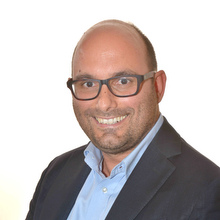
The Vice-Rector for Education and Teaching Innovation promotes the quality of the University’s educational experience by overseeing the development of educational policies, the renewal of teaching and learning models, and the professional development of the teaching community.
The future Centre for Teaching and Learning will serve as the focal point for the development and implementation of these activities and is conceived as the University’s instructional design unit. The Centre will develop models, prototype them in real-world settings, validate their effectiveness, enable Departments to reuse them, and ensure that they are maintained and updated over time. The same cycle will apply across all areas of activity: competency pathways and micro-credentials, personalised and accessible learning pathways, pedagogical uses of Artificial Intelligence, etc.
This role will be supported by faculty development, which will transform academic staff from content deliverers into designers of learning experiences and assessment methods; a culture of controlled experimentation informed by the Scholarship of Teaching and Learning; initial and continuing teacher education for school teachers; and national and international networks for educational innovation.
- Governance and a systemic instructional design model
- Defining and coordinating teaching innovation policies in line with the Strategic Plan and European developments.
- Adopting and maintaining a unified instructional design framework applicable to all University innovation processes.
- Managing the project portfolio according to a single cycle: modelling, prototyping, validation, transfer and updating.
- Design of competency pathways and teaching formats
- Designing the pedagogical framework for competency units: learning outcomes, activities, evidence, authentic assessment and criteria for combining units.
- Designing non-conventional teaching formats – MOOCs, Minors, Challenge-Based Learning, Contamination Labs, and blended and online courses – and providing prior pedagogical assessment of new learning pathways.
- Coordination with the professionally oriented tertiary education sector and local initiatives, based on the alignment of learning outcomes.
- Design for accessibility and personalised learning pathways
- Defining minimum standards for inclusive teaching design, to be applied before any individualised accommodations are introduced.
- Designing mechanisms for individualised learning pathways and criteria for ensuring equivalence between assessment methods.Designing the
- structure of learning materials and a tiered tutoring model based on the level of support required.
- Digital design and Artificial Intelligence in teaching and learning
- Defining standards for the design and production of digital content.
- Promoting the pedagogical, ethical and responsible use of Artificial Intelligence in teaching, learning and assessment.
- Developing teaching models for the use of advanced learning environments and educational technologies.
- Faculty Development
- Providing initial and continuing professional development for academic staff in competency-based instructional design, authentic assessment and inclusive teaching.
- Promoting teaching quality through evaluation models centred on formative feedback, peer observation and recognition of excellence.
- Coordinating initial teacher education and continuing professional development for secondary school teachers.
- Validation, monitoring and research on teaching and learning
- Conducting controlled trials of new approaches and tools before their wider adoption.
- Monitoring their adoption and effectiveness within the University’s system of indicators.
- Promoting the Scholarship of Teaching and Learning and the integration of research and teaching.
- Dissemination, networks and positioning
- Documenting and facilitating the reuse of the approaches and tools developed, and fostering communities of practice across Departments.
- Participating in national and international networks focused on teaching innovation and faculty development, and developing partnerships with institutions, public bodies and private-sector organisations.
Vice-Rector for General, Institutional and Legal Affairs
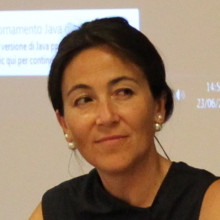
The Vice-Rector for General, Institutional and Legal Affairs supports the Rector and the University’s governing bodies in defining and maintaining the University’s institutional framework, ensuring regulatory consistency, high-quality governance and the protection of the University’s interests. The Vice-Rector coordinates activities relating to general affairs, institutional relations, and legal and regulatory matters, promoting effective risk management, ethics and compliance, while helping to strengthen the University’s strategic positioning at the national and international level.
The Vice-Rector oversees the institutional foundations underpinning all other University policies: clear and participatory governance and a culture of ethics, integrity and respect. This ensures that the University operates properly, impartially and transparently and that its interests are effectively protected, including from a legal perspective.
- Overseeing the University’s governance framework, Statute and regulations.
- Supporting the University’s governing bodies and institutional decision-making processes.
- Providing strategic direction and oversight on legal matters of strategic importance to the University.
- Coordinating policies on ethics, integrity and institutional responsibility.
- Overseeing processes for managing and mitigating institutional and reputational risks.
Vice-Rector for Wellbeing

The Vice-Rector for University Community Wellbeing supports the Rector and the University’s governing bodies in defining and implementing policies to promote wellbeing, quality of life and inclusion across the University. This work is grounded in the close connection between organisational and workplace wellbeing: promoting wellbeing means improving the overall experience of those who study and work at the University and, consequently, addressing the organisation itself, its decision-making processes, and its study and work environments, thereby bringing together health, organisational dynamics, relationships, inclusion, participation and sustainability.
From this perspective, the Vice-Rector promotes the coordinated and participatory development of policies and services for technical and administrative staff, faculty, researchers, and students, helping create a welcoming, sustainable, and equitable university environment that responds to people’s needs. Equity, equal opportunities, the prevention of discrimination, work-life-study balance, respect and inclusion are therefore not separate areas of action but integral dimensions of Ca’ Foscari’s organisational and institutional quality. Wellbeing thus becomes both a prerequisite for full participation in university life and a strategic factor in the University’s effective functioning, innovation and sustainability.
- Defining and promoting welfare policies for technical and administrative staff, faculty, researchers, and students.
- Developing initiatives to improve organisational wellbeing and the quality of university life.
- Promoting measures to support a healthy balance between personal life, study and work.
- Coordinating initiatives to support inclusion, equal opportunities and the recognition of diversity.
- Monitoring the organisational climate and the wellbeing of the University community.Promoting services and activities supporting health, psychological wellbeing and participation in university life.
- Supporting the career development of academic and technical and administrative staff.
- Coordinating initiatives aimed at strengthening a sense of belonging and cohesion within the University community.
- Supporting the integration of wellbeing policies into the University’s development and sustainability strategies.
Vice-Rector for Budget and Financial Assessment

The Vice-Rector for Budget and Financial Assessment supports the Rector and the University’s governing bodies in defining the University’s economic and financial policies and in promoting the efficient, sustainable and responsible use of resources. The Vice-Rector contributes to maintaining the University’s short- and long-term economic and financial balance, to strategic planning, and to ensuring alignment between development objectives, financial sustainability and the University’s capacity for investment.
- Contributing to the definition of guidelines for the University’s economic and financial planning processes.
- Liaising with the relevant University units in the preparation, management and monitoring of the budget.
- Supporting the University’s governing bodies in defining resource allocation policies.
- Reviewing trends in the University’s economic and financial position and its overall financial health, based on information provided by the relevant University units.
- Supporting the assessment of the financial sustainability of strategic initiatives and development plans.
- Contributing to the analysis of the economic impact of University policies and the related decision-making processes.
- Promoting the adoption of tools and models for management control and for measuring efficiency in the use of resources.
- Contributing to the development of financial forecasts and strategies aimed at ensuring the University’s economic and financial sustainability over the medium and long term.
Vice-Rector for Doctoral Studies

The Vice-Rector for Doctoral Studies and Research Training supports the Rector and the University’s governing bodies in defining and developing policies for doctoral education and in promoting scientific excellence, internationalisation and innovation in advanced training programmes. The Vice-Rector coordinates the activities of the Doctoral School and promotes integration among academic research, industry and international networks, thereby contributing to the development of a competitive community of early-career researchers equipped to address global challenges.
The Vice-Rector puts into practice Chapter 5 of the programme – particularly the scientific development of early-career researchers and support for doctoral education – and Chapter 7, with regard to industrial doctorates and integration with industry.
- Establishing and coordinating the activities and strategic development of the University Doctoral School.
- Promoting and supporting policies for PhD programmes.
- Developing and promoting industrial PhD programmes in collaboration with companies and external organisations.
- Promoting the internationalisation of doctoral education and participation in international networks and partnerships.
- Supporting the design and management of Doctoral Networks and other European initiatives for research training.
- Promoting the quality, attractiveness and sustainability of doctoral programmes.
- Supporting the development of transferable and professional skills among PhD candidates.
- Monitoring indicators of the quality and internationalisation of doctoral education and the employment outcomes of PhD graduates.
- Strengthening links between doctoral education, research, innovation and the world of work.
Vice-Rector for Organisation, Administrative Simplification, and Health and Safety
The Vice-Rector for Organisation, Administrative Simplification, and Health and Safety supports the Rector and the University’s governing bodies in designing and developing the University’s organisational structure, promoting process efficiency, administrative simplification and the continuous improvement of services. The Vice-Rector promotes the development of innovative and sustainable organisational models, helping to ensure a safe, effective and quality-oriented working environment.
The Vice-Rector implements the shift “from offices to processes”, moving from a site-based approach to an integrated network model connecting Venice, Mestre and Treviso.
- Defining and promoting the University’s organisational development policies.
- Analysing, reviewing and optimising the organisational structure and administrative and management processes.
- Promoting organisational and administrative simplification measures.
- Promoting the review and streamlining of the main areas of activity across University units.
- Supporting the design and implementation of innovative organisational models.
- Coordinating initiatives to continuously improve service efficiency and quality.
- Monitoring organisational effectiveness and identifying opportunities for innovation and streamlining.
- Promoting a culture of simplification, collaboration and user focus.
- Providing strategic direction and oversight for policies and initiatives relating to safety, the protection of people, and risk management in study and work environments.
- Supporting the integration of organisational, technological and safety considerations into the University’s transformation processes.
Vice-Rector for Planning and Programming
The Vice-Rector for Planning and Programming supports the Rector and the University’s governing bodies in defining, implementing and monitoring the University’s development strategies, and in promoting a culture of planning, evaluation and data-driven decision-making. The Vice-Rector coordinates strategic and departmental planning processes, ensuring alignment between objectives, resources and outcomes, and promotes the development of advanced tools for analysing and leveraging data to support governance.
The Vice-Rector addresses the fragmentation of the University’s information assets and transforms data into a tool for understanding, guiding and improving decision-making, thereby supporting participatory governance.
- Coordinating strategic planning and its monitoring, promoting measurable objectives and reviewing decisions in light of results.
- Promoting integration between strategy, programming and resources, ensuring that the assessment of alternative options takes account of sustainability and expected outcomes.
- Supporting Department development plans, assessing their strategic alignment, feasibility and contribution to University objectives.
- Promoting the use of data and analysis in departmental planning and improvement, taking account of specific characteristics and critical issues and highlighting good practices.
- Providing strategic direction for the integrated analytics and business intelligence (BI) programme, defining decision-making priorities, expected outcomes and adoption criteria, with a view to progressively extending its coverage across University processes.
- Promoting the governance and quality of the University’s shared information assets, ensuring authoritative sources, shared definitions, clearly assigned responsibilities and appropriate access.
- Promoting access to and use of dashboards, analyses and reporting by decision-makers and stakeholders, while also supporting the automation of selected processes.
- Coordinating the definition and use of shared indicators to monitor objectives, service quality and outcomes, and ensuring that their assessment is clear and understandable.
- Promoting diagnostic, predictive and prescriptive analyses to understand trends, compare scenarios and support decision-making and policy evaluation.
- Providing strategic direction for and coordinating the planning of academic calendars, promoting the use of data and models to balance teaching and learning needs, resources and constraints.
Vice-Rector for Development

The Vice-Rector for Development supports the Rector and the University’s governing bodies in fostering strategic relations with the alumni community, professional bodies, banking foundations and the business community (companies, business associations, chambers of commerce, etc.). By coordinating and working closely with the Delegates for Alumni Engagement, Professions and Professional Associations, Innovation in University-Business Relations, and Technology Transfer, the Vice-Rector promotes partnerships and opportunities for collaboration aimed at strengthening the University’s role in the economic and social landscape and contributing to the development of its institutional, teaching, research and knowledge valorisation activities. The Vice-Rector’s mission is to move beyond one-off projects and build lasting, long-term relationships with alumni, professional bodies, banking foundations, businesses and their associations, in keeping with the University’s Venice–Mestre–Treviso multicampus model.
In addition to coordinating the activities of the aforementioned Delegates in pursuit of this mission, the Vice-Rector directly oversees a number of flagship projects to position the University as a recognised and authoritative partner for the economic and social sectors at national level and beyond.
- Defining and coordinating strategies to engage the alumni community and enhance its contribution to the University.
- Promoting relations with professional bodies.
- Strengthening relations with businesses and their representative organisations (Confindustria, Chambers of Commerce, etc.), fostering opportunities for collaboration and long-term joint initiatives.
- Promoting initiatives to support the University’s development through the involvement of external stakeholders such as banking foundations.
- Supporting the creation of networks and communities of interest to benefit teaching, research and knowledge valorisation activities.
- Contributing to the University’s positioning as a recognised and authoritative partner for the economic and social sectors.
- Creating a university-business ecosystem.
- Promoting the valorisation of intellectual property and supporting the creation and growth of research spin-offs.
Vice-Rector for Digital Innovation and Artificial Intelligence
The Vice-Rector for Digital Innovation and Artificial Intelligence supports the Rector and the University’s governing bodies in defining and implementing the University’s digital transformation strategies. The Vice-Rector promotes the development and evolution of digital infrastructure to support teaching, research and University services, fostering the responsible and innovative use of emerging technologies and artificial intelligence. The Vice-Rector also contributes to strengthening the University’s capacity to operate in an increasingly data-driven, interoperable and innovation-oriented environment.
The Vice-Rector’s work is based on the principle that AI must be governed, understood and integrated in an informed and responsible manner, consistent with academic autonomy and social responsibility, bringing together expertise from across the Departments within a steering committee.
- Defining and coordinating the University’s digital innovation and transformation strategies.
- Promoting the development and evolution of digital infrastructure to support teaching, research and University services.
- Supporting the design of advanced digital environments for learning, research and collaboration.
- Promoting the integration and effective use of data in the University’s decision-making and management processes.
- Coordinating initiatives for the adoption and implementation of artificial intelligence in the University’s institutional, research and teaching activities.
- Promoting the responsible, ethical and sustainable use of digital technologies and artificial intelligence.
- Supporting the development of digital skills and fostering a culture of technological innovation across the University community.
- Promoting the interoperability, efficiency and innovation of the University’s digital systems.
- Monitoring emerging technological opportunities and assessing their impact on research, teaching and administrative activities.
- Contributing to the definition of the University’s development strategies in the areas of digitalisation, data and artificial intelligence.
Vice-Rector for Communication

The Vice-Rector for Communication supports the Rector and the University’s governing bodies in defining and developing the University’s communication strategies, helping to strengthen its identity, visibility and reputation at national and international level. The Vice-Rector promotes integrated and consistent communication of the University’s institutional, teaching and research activities, raising the profile of its achievements and fostering dialogue with its various target audiences.
The strategic priorities for the three-year period 2026/27–2028/29 focus on three objectives:
- communicating Ca’ Foscari’s educational programme more effectively to prospective students in Italy and abroad;
- making services and information more accessible and user-friendly for enrolled students;
- strengthening the University’s reputation and positioning in Italy and internationally.
- Defining and coordinating the University’s institutional communication strategies.
- Promoting the University’s identity, values and strategic positioning.
- Coordinating, in collaboration with other Vice-Rectors, activities to promote and raise the profile of the University’s educational programme.
- Developing initiatives to attract Italian and international prospective students.
- Promoting research communication and the dissemination of the University’s research outputs.
- Raising the profile of the scientific, cultural and social impact of research and innovation activities.
- Supporting strategies to strengthen the University’s reputation and presence in the media and across digital channels.
- Promoting accessible and inclusive communication designed to engage the University’s different target audiences and communities.
- Marketing the University’s educational programme.
- Reviewing the University website.
- Monitoring indicators relating to the University’s visibility, attractiveness and reputation.
- Coordinating initiatives aimed at strengthening the perception of Ca’ Foscari as a university of excellence nationally and internationally.