

Rector's Delegates
Delegate for Future & Foresight Studies

This role is linked to the Vice-Rector for Research
The Delegate for Future & Foresight Studies supports the Rector in transforming Research for Global Challenges into a Future & Foresight Studies programme: interdisciplinary research focused on major systemic transformations — climate change, artificial intelligence, inequalities and geopolitics — that draws on Ca’ Foscari’s knowledge and research, including in the humanities, as a resource for studying the future.
The Delegate oversees the development of European projects addressing major future transformations, the scientific coordination of the festival dedicated to future challenges — the University’s major research public engagement event — and the positioning of Ca’ Foscari as a European point of reference for interdisciplinary research on the future.
- Transforming Research for Global Challenges into an Institute for Future & Foresight Studies.
- Promoting interdisciplinary research into major systemic transformations (climate change, AI, inequalities and geopolitics).
- Developing European projects addressing major future challenges and transformations (Horizon Europe, FP10, EU clusters and missions).
- Promoting Ca’ Foscari’s humanities tradition as a resource for foresight.
- Developing partnerships with international think tanks and foresight centres.
- Providing scientific direction for the research public engagement event dedicated to the future.
- Positioning Ca’ Foscari as a leading European university for interdisciplinary research on the future.
- Ensuring coordination between the new Institute for Future Studies and the University’s interdisciplinary research centres.
Delegate for Student Experience
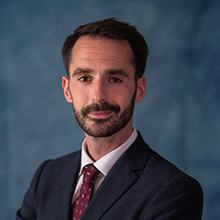
This role is linked to the Vice-Rector for Student Careers
The Delegate for Student Experience supports the Rector in improving the overall quality of the university experience, with a focus on study and social spaces, accessible services, a sense of belonging to the Ca’ Foscari community, and active participation. The Delegate promotes an approach in which students play an active role rather than being passive recipients, encourages the co-design of services with student representatives, and fosters student talent, in keeping with the University’s multi-campus identity across Venice, Mestre and Treviso.
- Coordinating policies aimed at improving the student experience and the quality of university life.
- Developing study and social spaces and accessible services across all campuses.
- Fostering a sense of belonging to the Ca’ Foscari community.
- Promoting student participation and representation (“knowledge for participation”).
- Co-designing services with student representatives and student associations.
- Developing a talent programme and supporting high-potential students through the International College.
- Monitoring student satisfaction, engagement and well-being.
Delegate for International Recruitment

This role is linked to the Vice-Rector for Student Careers
The Delegate for International Recruitment supports the Rector in promoting international mobility as an integral part of students’ academic journeys and in ensuring a high-quality welcome for incoming international students. The Delegate oversees outgoing mobility (Erasmus+, Overseas), guidance on exchange and learning opportunities in international settings, and welcome and support services for incoming students, thereby enhancing the international student experience and the University’s global reputation.
- Coordinating international guidance policies for students.
- Simplifying information and supporting students with fewer financial resources in accessing mobility opportunities.
- Integrating international mobility into study plans.
- Welcoming and supporting incoming international students, including welcome activities, the Buddy Programme and dedicated services.
- Improving the international student experience.
- Liaising with the Vice-Rector for Internationalisation and the International Office.
Delegate for Guidance and Career Development
This role is linked to the Vice-Rector for Student Careers
The Delegate for Student Guidance and Career Development supports the Rector in guiding students throughout their studies and in their transition to the world of work, on the principle that no one will be left on their own during the most challenging stages. The Delegate oversees early-warning systems to identify students at risk of dropping out or falling behind, ongoing tutoring, and support for the transition from university to the world of work, through a progression of experiences “from the first day to the first job”. In this way, the Delegate supports students as they begin to develop their professional identity and helps enhance their employability.
- Coordinating policies for guidance during students’ studies, careers guidance and academic success.
- Developing early-warning systems to identify students at risk at an early stage.
- Monitoring the student experience and key indicators relating to student satisfaction, engagement and well-being, including by strengthening ongoing tutoring and the University’s psychological counselling service.
- Strengthening services and activities that support the transition from university to the world of work.
- Consolidating and expanding the University’s partnerships with companies in Italy and abroad to promote and enhance students’ transferable skills.
- Developing students’ awareness of their career paths, including through the involvement of alumni and professionals as mentors and role models.
- Supporting student entrepreneurship.
- Raising awareness of guidance and careers services among the entire student community and University Departments through enhanced communication.
Delegate for Prospective Student Guidance

This role is linked to the Vice-Rector for Student Careers
The Delegate for Prospective Student Guidance supports the Rector in ensuring continuous oversight of the transition from school to university, with the aim of helping prospective students make informed choices, reducing rushed enrolment decisions and first-year drop-out. The Delegate coordinates year-round guidance activities in secondary schools across the Veneto and neighbouring regions, covering the entire prospective student journey: mapping and geographical targeting of schools; guidance-oriented teaching and subject-specific classroom activities; Open Days and education fairs; School-to-Work Training (FSL) and Guidance and Tutoring Plans (POT/PLS); support to strengthen core skills; and the induction of first-year students across all campuses (Venice, Mestre and Treviso). The Delegate provides strategic direction for prospective student guidance, while preserving the neutrality of individual guidance on study choices, which remains the responsibility of the University’s Guidance Service. The Delegate also liaises with Departments on subject-specific content.
- Defining and coordinating the strategy for prospective student guidance and the school-to-university transition throughout the prospective student journey.
- Systematic mapping and geographical targeting of secondary schools based on student origin and recruitment data.
- Being present in secondary schools across the Veneto and neighbouring regions, through targeted, sustained initiatives.
- Strengthening guidance activities in technical and vocational schools.
- Coordinating guidance-oriented teaching and subject-specific classroom activities, in liaison with Departments.
- Planning and coordinating Open Days, education fairs and student fairs, including tracking and follow-up to monitor conversion.
- Aligning FSL, POT and PLS activities with guidance and recruitment objectives, in compliance with ministerial reporting requirements.Involving tutors, academic staff and alumni in presenting study pathways, with at least three alumni for each degree programme.
- Providing targeted guidance by subject area and campus, and supporting the development of core skills through CISIA tests and preparatory courses.
- Developing welcome and induction services for the first semester, including welcome activities, induction tutors and peer tutoring.
- Promoting access to STEM disciplines for female students.
- Ensuring clear and consistent information on workload, career opportunities and services for each degree programme.
Delegate for Full Participation: Specific Learning Disabilities/Disabilities, Vulnerabilities and Equal Opportunities

This role is linked to the Vice-Rector for Student Careers
The Delegate for Full Participation supports the Rector in ensuring the effective involvement of all members of the University community in university life, with the recognition and enhancement of differences as the foundation of full participation. This perspective is grounded in the principle that the complexity of living, human and social systems arises not from the homogeneity of their constituent parts, but from their differences. It is through recognising and valuing these differences, and through the quality of the relationships established between them, that such systems develop their capacity to organise themselves, construct and redefine their identity, and evolve over time. It is this principle of unity in difference that the University seeks to embrace in conceiving of itself and in developing as a community: one in which full participation does not mean assimilating differences into a common model, but creating the conditions in which each individual can express their distinctiveness, engage with others, and, through these relationships, contribute to building and transforming the community itself.
On this basis, the availability of opportunities, services and resources to support these processes, while both a necessary condition and a significant achievement in itself, is not sufficient to ensure they can be used. Full participation requires that everyone be provided with the conditions needed to turn the opportunities available to them into genuine possibilities to access services, express and develop their individual potential, and participate actively in the life of the academic community.
Since this process of turning opportunities into genuine possibilities depends on a range of personal, social and environmental factors, the Delegate is responsible for identifying and strengthening enabling factors while removing or reducing those that may hinder this process. The Delegate therefore oversees areas where the recognition and enhancement of differences are put into practice: services for students with disabilities and Specific Learning Disabilities (SLDs); support for people experiencing vulnerability or difficulties; and action to address gender stereotypes, inequalities and gender-based violence. The aim is to ensure that everyone has the conditions and support needed to participate fully in university life. The same approach extends to protecting academic and research staff experiencing vulnerability or difficulties, to whom the same principle of full participation applies. Work in these areas also contributes to achieving the goals of the 2030 Agenda for Sustainable Development, particularly those relating to quality education, gender equality, health and well-being, and reduced inequalities, with sustainability – first and foremost in its social dimension – providing the broader framework for the actions envisaged under this mandate.
- Coordinating policies to ensure full participation, accessibility and equal opportunities for the student community by establishing a Full Participation Working Group (GLPP), comprising the Rector’s Delegate and the Departmental Delegates for Full Participation, with active involvement from students and University offices.
- Establishing a single point of access to coordinate services currently provided by different offices, ensuring integrated support, personalised pathways and consistent assistance throughout students’ university careers.
- Promoting effective communication across all areas and levels of activity.
- Providing mandatory, differentiated training for first-level tutors (study methods, self-regulation, workload organisation, deadline management and continuity of study) and second-level tutors (specific expertise relating to disabilities, SLDs or other recognised educational needs), including a final assessment of practical application and structured coordination with the Inclusion Unit, as a prerequisite for these tutors to become fully operational within the support system (Goal 4 – Quality Education, Target 4.5: ensure equal access to education for vulnerable people, including persons with disabilities).
- Coordinating first- and second-level tutors (Goal 4 – Quality Education, Target 4.5: ensure equal access to education for vulnerable people, including persons with disabilities).
- Strengthening services for students with disabilities, SLDs and other forms of vulnerability or difficulty throughout their studies – including teaching and learning, examinations, independent study, internships, guidance, placement and social integration – and systematically monitoring effective access to these services (Goal 4 – Quality Education, Target 4.5).
- Ensuring the accessibility of routes, materials and spaces across all campuses, in terms of both physical and cognitive-sensory accessibility, through continuous monitoring of existing conditions and the progressive removal of remaining barriers, in liaison with the Delegate for Buildings, Spaces and
- Housing on structural interventions within their respective areas of responsibility (Goal 4, Target 4.a: inclusive and disability-sensitive education facilities and learning environments).
- Supporting groups experiencing vulnerability or difficulties – including students in part-time or casual employment, student carers, international students, students with serious or disabling health conditions, including temporary conditions, pregnant students and students with parenting responsibilities, students living away from home, protected categories, students experiencing emotional or psychological vulnerability, and older students – through pathways and channels tailored to the specific needs of each group (Goal 10 – Reduced Inequalities, Targets 10.2 and 10.3: inclusion irrespective of age, disability or status; with additional links to Goal 5, Target 5.4 on care work and parenting, and Goal 3, Target 3.4 on health and emotional well-being).
- Encouraging social interaction and community-building through initiatives such as student associations and extracurricular activities to prevent and address social isolation (Goal 3 – Good Health and Well-being, Target 3.4: promote mental health and well-being).
- Systematically monitoring students’ academic progress within the Delegate’s areas of responsibility by analysing progression indicators – including time to graduation, dropout rates and transitions between study cycles – alongside data on service provision, in liaison with the Student Records database and the University Statistical Office, to identify critical issues at an early stage and inform the targeted allocation of support resources.
- Addressing gender stereotypes and inequalities in teaching and learning, guidance, internships and placements through a cross-cutting approach that prioritises full integration into mainstream provision rather than creating separate pathways (Goal 5 – Gender Equality, Target 5.1: end all forms of discrimination).
- Promoting female students’ academic success in STEM programmes through prospective student guidance, support throughout their studies and recognition of their achievements, with the aim of addressing gender stereotypes that continue to be associated with these disciplines (Goal 5 – Gender Equality, Target 5.1: end all forms of discrimination).
- Maintaining institutional coordination with the Vice-Rector for Education and Teaching Innovation, to integrate inclusion measures into academic planning and programme provision; with the Inclusion Unit, for the operational management of services for students with disabilities, SLDs and other forms of vulnerability or difficulty; with ESU, for benefits and services falling within regional responsibility; with the Spazio Ascolto counselling, for support relating to emotional and psychological vulnerability; with the Equal Opportunities, Employee Well-Being and Inclusion Committee (CUG), for equal opportunities and anti-discrimination policies; and with the Delegate for Buildings, Spaces and Housing, to ensure the physical accessibility of environments, routes and facilities.
- Defining, in liaison with the Data Protection Officer (DPO), rules governing targeted communication with academic staff about students’ specific needs – including what information may be shared, with whom and via which channels – in compliance with confidentiality requirements and personal data processing safeguards, and periodically monitoring information flows.
- Extending the principle of full participation to academic and research staff experiencing vulnerability or difficulties, by identifying forms of support and organisational adjustments to teaching and research activities, to be defined in coordination with the Vice-Rector for University Community Well-being, who is responsible for the overall framework for protection and support (Goal 8 – Decent Work and Economic Growth, Target 8.5: full employment and decent work for all, including persons with disabilities).
- Promoting the cultural initiative “La Grammatica del Rispetto” (The Grammar of Respect), through which the Delegate for Full Participation translates its founding principle – recognising and valuing differences as a condition for full participation – into a shared cultural practice that promotes respect as an everyday exercise in active citizenship within the academic community. The initiative comprises complementary activities that address the various areas covered by the Delegate and involve the entire academic community throughout the term of office.
Delegate for International Cooperation and Global Development
This role is linked to the Vice-Rector for Internationalisation and Language Innovation
The Delegate for International Cooperation and Global Development supports the Rector in coordinating international academic, scientific and cultural cooperation initiatives, with particular emphasis on development cooperation, Erasmus+ Global and agreements with emerging countries. The Delegate oversees the development of cooperation projects with partner countries and universities in Africa, Latin America and other regions, promoting Ca’ Foscari’s civic and global role and liaising with the Research Area on the scientific dimension of cooperation. In this context, the Delegate promotes and coordinates Ca’ Foscari’s contribution to international development cooperation, drawing on the University’s research, education and expertise to build strong peer-to-peer partnerships with institutions and communities in partner countries.
- Coordinating international academic, scientific and cultural cooperation initiatives.
- Developing international development cooperation projects with partner countries and universities.
- Managing Erasmus+ Global and agreements with emerging countries.
- Building partnerships in strategic regions, including Africa and Latin America.
- Liaising with the Research Area on the scientific dimension of cooperation and development.
- Promoting Ca’ Foscari’s civic and global role in international cooperation.
- Supporting international mobility within cooperation programmes, with particular emphasis on capacity building.
Delegate for Double, Joint and European Degrees

This role is linked to the Vice-Rector for Internationalisation and Language Innovation
The Delegate for Double, Joint and European Degrees supports the Rector in negotiating, developing and managing double, joint and European degree programmes, which are strategic to enhancing the international integration of the University’s academic programmes. The Delegate oversees the development of high-quality partnerships with universities abroad, the promotion of double and joint degrees – including European Joint Degrees – and the integration of international study pathways into the University’s academic programmes, in liaison with Departments and the Vice-Rector for Academic Programmes.
- Negotiating and developing double, joint and European degree programmes.
- Developing and streamlining high-quality partnerships with universities abroad.
- Monitoring the sustainability of existing programmes.
- Promoting double and joint degrees, including European Joint Degrees.
- Integrating international study pathways into the University’s academic programmes.
- Mapping opportunities for joint programmes with partner universities.
- Liaising with Departments and the Vice-Rector for Academic Programmes.
- Supporting the design of joint programmes.
Delegate for EUTOPIA and Strategic Alliances

This role is linked to the Vice-Rector for Internationalisation and Language Innovation
The Delegate for EUTOPIA and Strategic Alliances supports the Rector in advancing Ca’ Foscari’s active participation in the EUTOPIA European University Alliance and in strategic international networks. The Delegate oversees the University’s contribution to the Alliance’s consolidation phase (EUTOPIA EDGE, 2026-2028), which aims to transform pilot projects into lasting institutional structures by firmly embedding the joint provision of the EUTOPIA College – in education: joint modules and programmes, micro-credentials, the EUTOPIA Label, a shared course catalogue, blended mobility and pathways towards a European Degree – and the EUTOPIA Global Institute – in research, innovation and society: the Young Leaders Academy, Innovation Challenges and researcher training. The aim is to establish Ca’ Foscari as an active partner that delivers measurable contributions, while leveraging EUTOPIA as a platform for joint European study pathways, attracting European funding and strengthening the University’s international positioning.
Expanding the University’s strategic alliances also offers an opportunity to strengthen its international dimension and consolidate collaboration with leading academic partners beyond Europe. These networks foster student and staff mobility, joint project development and the exchange of expertise, contributing to a more international outlook across the University’s academic provision and research.
- Developing Ca’ Foscari’s active participation in the EUTOPIA Alliance and its consolidation phase (EUTOPIA EDGE, 2026-2028).
- Coordinating the University’s contribution to the EUTOPIA College: joint modules and programmes, micro-credentials, the EUTOPIA Label, the shared course catalogue and pathways towards a European Degree.
- Coordinating the University’s contribution to the EUTOPIA Global Institute: the Young Leaders Academy, Innovation Challenges, and training for researchers and staff.
- Overseeing Ca’ Foscari’s role as lead institution for mobility and co-lead institution for joint programmes, entrepreneurship and social impact within the EUTOPIA EDGE project.
- Strengthening blended and inclusive mobility for students and staff within the Alliance.
- Promoting the University’s participation in strategic international networks and its commitment to European values, including multilingualism, equal opportunities and democratic resilience.
- Developing the University’s active participation in the Silk-Road Universities Network (SUN).
- Leveraging EUTOPIA to attract European, national and private funding and strengthen the University’s international positioning.
- Defining a participation plan with measurable contributions aligned with the Alliance’s objectives.
- Liaising with the European Alliances Unit (EUTOPIA) and the EUTOPIA Unit within the International Office.
Delegate for Languages and Artificial Intelligence

This role is linked to the Vice-Rector for Internationalisation and Language Innovation
The Delegate for Languages and Artificial Intelligence supports the Rector in promoting innovation in languages across the University and exploring how artificial intelligence can advance language teaching, learning and valorisation. The Delegate promotes and coordinates the testing of AI tools and applications for language learning, translation and accessibility, while strengthening Ca’ Foscari’s multilingual vocation and the role of the University Language Centre. Particular emphasis is placed on the responsible, informed and critical use of technology in language teaching.
- Promoting innovation in language teaching through the use of artificial intelligence.
- Developing and promoting AI training and literacy programmes for academic and research staff.
- Promoting research and experimentation with AI tools and applications to support language teaching and learning, as well as accessibility, translation and the promotion of languages.
- Enhancing Ca’ Foscari’s multilingual vocation through the use of technology and artificial intelligence.
- Promoting the responsible, informed and critical use of AI in teaching and learning, with particular attention to equal opportunities, data protection and sustainability.
- Liaising and collaborating with the University Language Centre (CLA) and with Digital Innovation and AI.
- Promoting Ca’ Foscari’s expertise in languages, cultures, translation and language technologies.
Delegate for the Valorisation of Languages and Cultures
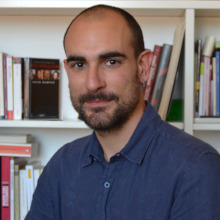
This role is linked to the Vice-Rector for Internationalisation and Language Innovation
The Delegate for the Valorisation of Languages and Cultures supports the Rector in shaping the University’s language policy and promoting the University community’s multicultural and multilingual character. In close collaboration with academic staff and language experts, the Delegate helps promote the languages and cultures studied and researched at Ca’ Foscari by identifying strategies for teaching and public engagement, and by strengthening dialogue and cooperation with research centres and foreign public institutions in Italy. The Delegate also works to establish languages as a strategic global resource and preserve Ca’ Foscari’s leading position in the array of languages taught.
- Mapping the languages and cultures taught at the University.
- Defining strategies to promote the University’s linguistic and cultural heritage.
- Raising the visibility of languages and cultures as a strategic resource for the University.
- Maintaining Ca’ Foscari’s leading position in the number of languages taught.
- Liaising with the University Language Centre and the Delegate for Languages and Artificial Intelligence.
Delegate for the Promotion of Italian

This role is linked to the Vice-Rector for Culture and Public Engagement
The Delegate for the Promotion of Italian supports the Rector in promoting Italian as a language of culture, art, science and critical thought, and in establishing Ca’ Foscari as a national point of reference for the promotion and dissemination of Italian language and culture in Italy and abroad.
The Delegate oversees Italian language and teaching certifications, agreements with the Italian Cultural Institutes, the Società Dante Alighieri and other public and private institutions and organisations working with the Italian language in Italy and abroad, as well as Italian language teacher training and cultural initiatives in Italian. These activities are also carried out in coordination with the School for International Education (SIE) and the University Language Centre (CLA).
- Developing and coordinating initiatives and projects to promote, enhance and disseminate Italian language and culture in Italy and abroad.
- Promoting Italian as a language of culture, art, science and critical thought through in-person and online projects.
- Developing Italian language and teaching certifications and training programmes for teachers of Italian.
- Establishing and strengthening agreements with the Italian Cultural Institutes, the Società Dante Alighieri and other public and private institutions working with the Italian language.
- Promoting the teaching of Italian in international contexts and in multilingual and multicultural settings in Italy, while also fostering initiatives that facilitate communication between Italian speakers and speakers of other languages.
- Liaising with the School for International Education (SIE), the University Language Centre (CLA) and the Vice-Rector for Internationalisation.
Delegate for Cultural Heritage

This role is linked to the Vice-Rector for Culture and Public Engagement
The Delegate for Cultural Heritage supports the Rector in the preservation, enhancement and access to Ca’ Foscari’s historical, artistic, archaeological and archival heritage. The Delegate also promotes field-based learning in these disciplines as a distinctive feature of Ca’ Foscari’s educational approach, through the establishment of a Summer School in archaeology and through teaching activities outside the classroom in museums, archives, historic buildings, archaeological sites and other cultural venues, both in Venice and beyond.
The Delegate also oversees the preservation, digitisation and public access to the University’s documentary collections, in coordination with the Delegate for the University Library System and the Historical Archives. As part of the University’s institutional development, the Delegate works towards obtaining ministerial accreditation for the University’s collections and developing exhibition systems to create a distributed museum. The Delegate also oversees the Ca’ Foscari Tour – a student-led guided tour service showcasing the University’s historical and artistic heritage – and promotes its expansion beyond the University’s historic buildings to include the archaeological and library collections, as part of the University’s Third Mission activities.
Finally, the Delegate maintains an ongoing dialogue with the Venice Museum Network and other local cultural institutions.
- Preserving, enhancing and facilitating public access to Ca’ Foscari’s historical, artistic, archaeological and archival heritage.
- Establishing and developing a Summer School in archaeology and promoting teaching and learning beyond the classroom (in museums, archives, historic buildings, archaeological sites and other cultural venues) as a distinctive educational model.
- Overseeing and developing the Ca’ Foscari Tour, expanding student-led guided tours beyond the University’s historic buildings to include its archaeological and library collections.
- Preserving, digitising and opening up documentary collections and the Historical Archives, in coordination with the Director of the University Library System.
- Promoting agreements, synergies and ongoing dialogue with the Venice Museum Network, heritage authorities, heritage protection bodies, museum networks and other local cultural institutions.
- Obtaining ministerial accreditation for the University’s collections.
- Developing the Art Hub within the Venice Sustainability Foundation.
Delegate for Memory Culture

This role is linked to the Vice-Rector for Culture and Public Engagement
The Delegate for the Memory Culture supports the Rector in promoting initiatives dedicated to the history of Ca’ Foscari, institutional memory, and the enhancement of the cultural and civic heritage of the University and the Venetian area. The Delegate oversees commemorations and anniversaries of historical and civic significance, promotes oral history projects and educational programmes on historical memory for schools, and liaises with the University Historical Archives, recognising historical memory as a cornerstone of the University’s cultural and civic identity.
- Coordinating historically and civically significant commemorations and anniversaries.
- Promoting initiatives dedicated to the history of Ca’ Foscari and its institutional memory.
- Enhancing the cultural and civic heritage of the University and the Venetian area.
- Developing oral history projects and educational programmes on historical memory for schools.
- Establishing collaborations and agreements with local institutions.
Delegate for Events

This role is linked to the Vice-Rector for Culture and Public Engagement
The Delegate for Events supports the Rector in defining and developing a coherent policy for Ca’ Foscari’s events and institutional ceremonies, enhancing their role as strategic tools for shaping the University’s identity. The aim is to move beyond largely ad hoc, individual management of initiatives by introducing coordinated, recognisable, transparent and measurable planning. Major events, in particular, are conceived as expressions of the University’s civic and cultural role in Venice and at national and international levels.
- Defining and coordinating the University’s policy for events and institutional ceremonies.
- Developing coordinated event planning and a single University-wide events calendar.
- Defining and implementing a transparent and traceable system for granting patronage, together with criteria governing the use of the University’s representative spaces.
- Coordinating and enhancing the University’s major events, institutional ceremonies and recurring event formats, including Graduation Day.
- Developing tools to assess the impact of events as part of the University’s cultural Third Mission.
Delegate for Faculty Development

This role is linked to the Vice-Rector for Education and Teaching Innovation
The Delegate for Faculty Development oversees the ongoing professional development of academic and research staff across the University’s three core areas of activity: teaching, research and the Third Mission. The Delegate supports the integration of these areas through a University-wide policy designed to improve the quality of academic practice and develop professional skills. The Delegate coordinates the network of Delegates and representatives for Faculty Development and teaching innovation across Departments, fostering the network’s development as a community of practice and ensuring alignment between the University’s strategic priorities, staff development needs, and the disciplinary and organisational characteristics of individual Departments. To this end, the Delegate supports the design of Department-level professional development activities and coordinates initiatives to inform, consult and engage Departments.
The University Faculty Development Plan provides the framework for these activities. The Delegate oversees its preparation, implementation, monitoring and evaluation, in line with the University’s strategic planning and Integrated Quality Assurance System. Within the Plan, the Delegate coordinates professional development initiatives relating to teaching, research and Third Mission, promoting the integration of the various professional development opportunities available to academic and research staff.
The Delegate also promotes a system for monitoring, evaluating and recognising skills developed through Faculty Development programmes, including the use of certification tools and Open Badges, so that academic professional development can be documented and formally recognised.
The objective is to embed Faculty Development as a structural component of the University’s organisational culture through a coordinated system of professional development, support and recognition for academic and research staff, capable of aligning University priorities, academic quality and the emerging needs of Departments.
At the operational level, the Delegate works with the group of Departmental Delegates and representatives for professional development and teaching innovation, which constitutes the standing working structure for these activities. The network is responsible for periodically assessing the professional development needs of academic and research staff – by disciplinary area and career stage; sharing common approaches, practices and tools across Departments; supporting the design of Department-level professional development in line with University guidelines, the Strategic Plan, and disciplinary and organisational requirements; consulting Departments in the development, implementation and review of Faculty Development policies; and documenting and disseminating teaching innovations trialled at Department level.
- Developing teaching skills through training and continuing professional development in teaching methodologies and active, student-centred learning.
- Designing courses according to the principles of constructive alignment – ensuring consistency between learning outcomes, learning activities and assessment – and developing approaches to the assessment of learning.
- Developing onboarding programmes for newly recruited and newly appointed staff, including mentoring and support for early-career researchers transitioning into teaching.
- Promoting the informed use of digital tools, e-learning and blended learning, and the integration of Artificial Intelligence into teaching.
- Analysing student feedback, promoting peer observation among colleagues, and using data for continuous improvement, in coordination with the University Quality Assurance Unit.
- Building communities of practice through workshops, seminars and learning communities, and disseminating good practice.
- Ensuring alignment between University policies, the Strategic Plan and Departmental needs, including the potential management of a dedicated Teaching and Learning Centre.
- Maintaining relations with national and international Faculty Development networks (ASDUNI, ICED, POD Network and EuroSoTL).
- Recognising and enhancing the value of teaching commitment within academic careers.
Delegate for Innovation in University-Business Relations
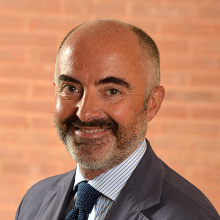
This role is linked to the Vice-Rector for Development
The Delegate for Innovation in University-Business Relations supports the Rector in strengthening Ca’ Foscari’s role as an infrastructure for competitiveness for the local business community, by building a recognisable business ecosystem with a single point of access. The Delegate’s work focuses on three strategic areas: internationalisation, innovation (through close engagement between businesses and the University) and intellectual property valorisation. These three areas are intended to make a significant contribution to revitalising the local economy at a time of profound change driven by geopolitics, the digital revolution and the green transition. While the development of new relationships between the University and businesses has its own scope and autonomy, it also requires coordination with local institutions and alignment with local government policies. The Delegate therefore seeks to ensure that their work takes account of all other initiatives pursued by the Rector’s Office in collaboration with these institutions.
- Internationalisation of Made in Italy. The international context is changing significantly, calling into question the assumptions that have underpinned the international positioning of Italian businesses. The ‘flat world’ in which trade and production globalisation flourished is now behind us; in the years ahead, businesses will need to navigate new geopolitical dynamics, requiring a new strategic vision and new relationships with institutions. It is therefore essential to develop new scenarios to guide businesses in responding to a changing global market. In partnership with leading financial institutions, the Delegate aims to develop seminars, events, research and other dedicated initiatives focusing particularly on medium-sized exporters of Made in Italy products.
- Innovation and shared challenges. The accelerating pace of digital innovation is transforming the way scientific and technological innovation processes and their translation into economic value are understood. The speed of these developments calls for new relationships between businesses and research, centred on actively involving researchers and Master’s degree students in developing innovative proposals and solutions. The Delegate aims to establish annual thematic innovation labs involving interdisciplinary groups of students, who will work on challenges addressing real business problems through innovative technologies and management solutions.
- Intellectual property valorisation and sustainable business models. Venice provides a natural environment in which to amplify the impact of innovative technological solutions that develop into businesses and grow by attracting young talent and venture capital. In the field of sustainability technologies in particular, the city and the University have considerable potential to promote and develop innovative solutions, building on well-established activities that can be further developed with qualified partners. The Delegate aims to develop pathways that give entrepreneurial initiatives a stronger European dimension, enabling them to valorise intellectual property generated within the University and at other Italian and European universities. These activities will form part of the now extensive European landscape of sustainability-focused innovation projects.
- Institutional relations. Coordinating relations with local and national authorities in consultation with the other Delegates. These include the Municipality of Venice, the Veneto Region, the Venice Rovigo Chamber of Commerce and the Venice World Sustainability Capital Foundation.
- Fundraising. Identifying sponsors, co-funding partners and regional, national and European public funding opportunities to support the three strategic areas, in consultation with the other Delegates.
- Monitoring and reporting. Monitoring partnership indicators, the business database, the single point of access and matching projects, in coordination with the University administration and the other Delegates.
Delegate for Professions and Professional Associations
This role is linked to the Vice-Rector for Development
The Delegate for Professions and Professional Associations supports the Rector in establishing stable, structured relationships with professional bodies and associations, positioning Ca’ Foscari as a recognised and authoritative partner for the professions and as a provider of education and training throughout professional life. The Delegate promotes framework agreements, joint events and initiatives between professional bodies and the University, accredited continuing professional development, and pathways linking degree programmes to regulated professions.
- Mapping existing relationships between the University and professional bodies and joint initiatives.
- Identifying potential areas for development and collaboration between local and national professional bodies and the University.
- Establishing a permanent working group and identifying contact persons for each type of professional body.
- Designing and organising a flagship event/project on innovative approaches to the management of professional bodies across different professions, initially at local level and subsequently at national level.
- Establishing multi-year framework agreements with local and national professional bodies.
- Developing accredited continuing professional development opportunities and arrangements for the recognition of professional development credits (CFP).
- Strengthening links between degree programmes and regulated professions, with particular attention to qualifying traineeships and State Examinations.
- Involving professionals in the University’s teaching and third mission activities.
- Positioning Ca’ Foscari as a recognised and authoritative point of reference for continuing professional development and education.
- Coordinating with the Challenge School on executive education for professional bodies and professionals.
Delegate for Alumni Engagement
This role is linked to the Vice-Rector for Development
The Delegate for Alumni Engagement supports the Rector in building, engaging and strengthening Ca’ Foscari’s alumni community, which is recognised as a strategic part of University life and as a permanent bridge between the University, the professional world and society. The Delegate fosters a sense of belonging, develops a structured approach to relationships with Ca’ Foscari graduates, and turns the alumni community into a tangible resource for student recruitment, guidance, networking, career placement, mentoring, fundraising and reputation-building across all the University’s degree programmes.
- Defining and coordinating the strategy for engaging the alumni community and enhancing its contribution to the University.
- Developing networking initiatives and reunions, and establishing and supporting local and thematic alumni chapters in Italy and abroad.
- Building and maintaining a relationship-based alumni database in compliance with data protection regulations.
- Promoting mentoring programmes that connect alumni with students.
- Developing career development initiatives (career clinics, career advisory services, alumni mentoring, etc.).
- Redefining relations with the alumni association, including the relevant agreement and data-sharing arrangements.
- Developing ways to systematically involve alumni in University activities (as testimonials, adjunct lecturers, mentors and ambassadors).
- Coordinating with the Career Service and fundraising activities to harness the alumni community as a resource for career placement and support for the University.
- Promoting the role of alumni as ambassadors for Ca’ Foscari’s reputation within the professional world and across the communities and regions in which they operate.
Delegate for Technology Transfer
This role is linked to the Vice-Rector for Development
The Delegate for Technology Transfer supports the Rector in translating research results into value for businesses and society, promoting the protection and use of intellectual property, the development and maturation of innovations, the creation and growth of spin-offs, contract research and relations with businesses. Working closely with the Research Area and in particular with the Promoting Innovation and Knowledge Office (PInK), the Delegate oversees the pathway from knowledge generated in laboratories and Departments to its practical applications, promoting measurable economic, social, cultural and environmental impact, including within the humanities and social sciences.
- Valorisation of knowledge and intellectual property. Identifying opportunities across all Departments and linking intellectual property protection with user needs and viable pathways for adoption, licensing or the development of products and services.
- Innovation maturation and access to funding. Supporting research results in progressing from laboratory-scale work to prototypes and applied testing, providing targeted support at key milestones and facilitating links with funders and industry partners.
- Spin-offs and entrepreneurship. Promoting guidance, training and ongoing support for initiatives developed by the Ca’ Foscari community, drawing on expertise in science, entrepreneurship and management.
- Business collaboration and contract research. Developing structured relationships and a shared understanding of existing collaborations, coordinating opportunities, negotiations and links with Departments.
- Infrastructure and services for innovation. Making the capabilities of the Scientific and Technological Campus visible and accessible to businesses and supporting the long-term sustainability of its equipment and technical expertise.
- Technology transfer governance and quality. Promoting the ongoing development and effective implementation of the University Regulations on Knowledge Valorisation, strengthening PInK’s expertise and internal coordination, reviewing the portfolio, and measuring progress and impact.
Delegate for Cybersecurity
This role is linked to the Vice-Rector for Digital Innovation and Artificial Intelligence
The Delegate for Cybersecurity supports the Rector in safeguarding the University’s cybersecurity and cyber resilience, which are recognised as essential enablers of digital transformation and as key to protecting the University’s information assets. The Delegate works closely with the Computer Services and Telecommunications Area (ASIT) to ensure the appropriate protection of networks, systems and data.
The Delegate contributes to defining and monitors the implementation of good practices, policies and security plans to prevent and manage incidents, in compliance with current regulations (NIS2, GDPR and AgID measures). The Delegate also promotes a culture of cybersecurity and awareness of cyber risks across the University community.
- Supporting the University’s cybersecurity and cyber resilience.
- Defining a multi-year University cybersecurity plan in coordination with ASIT.
- Improving security policies and cyber incident response procedures.
- Monitoring progress towards compliance with relevant regulations (NIS2, GDPR and AgID measures).
- Promoting a culture of cybersecurity and security awareness across the University community.
- Assessing and managing cyber risk, including in relation to emerging technologies and AI.
- Coordinating with ASIT on the technical implementation of security measures.
Delegate for the University Website
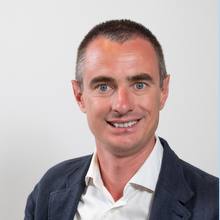
This role is linked to the Vice-Rector for Communication
The Delegate for the University Website supports the Rector in the review and strategic management of unive.it, the University’s main digital access point. It provides access to internal digital resources through the restricted area and serves as a key infrastructure for student recruitment, guidance and reputation. The Delegate oversees user experience (UX), accessibility and information architecture, with the aim of making the website clear, accessible and user-centred, and ensuring that the design of degree programme pages facilitates enrolment.
- Reviewing, optimising and strategically managing the University website.
- Overseeing user experience (UX), accessibility and information architecture.
- Designing degree programme pages with enrolment as their primary objective.
- Simplifying information and ensuring consistency, including for international students.
- Coordinating the digital ecosystem and ensuring consistency between the website and other communication channels.
- Monitoring website analytics (users, conversions and user behaviour).
- Coordinating with the Web Office and ASIT on infrastructure and data.
Delegate for Sports
The Delegate for Sports supports the Rector in promoting sport as an essential part of university life, individual physical and mental wellbeing, and the development of the University community. The Delegate encourages participation in sport among students, teaching staff, researchers, and technical and administrative staff, promoting sport as a means of fostering inclusion, participation, and personal development, and representing the University.
- Promoting sports policies and initiatives for the entire University community.
- Developing opportunities for students, teaching staff, researchers and technical and administrative staff to take part in sport.
- Coordinating relations with the University Sports Centre (CUS) and relevant sports organisations.
- Promoting sport as a means of fostering physical and mental wellbeing, inclusion and social interaction.
- Supporting student participation in university sports activities and competitions, with particular attention to student athletes.
- Promoting the University’s representation in sport at local, national and international level.
- Promoting sporting events and initiatives open to the University community and the wider community.
- Supporting the development and enhancement of sports facilities and spaces.
- Fostering integration between sport, wellbeing, health and quality of university life.
Delegate for the Development of the Science and Technology Campus

The Delegate directly supports the Rector in developing and enhancing the Science and Technology Campus by making its equipment more accessible to external users and for contract activities, defining strategies to ensure the financial sustainability of its equipment, improving the quality of the Campus environment and raising its profile, and assessing the adequacy of its technical support structure and procurement procedures. The Delegate has a clearly defined remit, distinct from the University’s research policies and its relations with businesses.
- Making Campus equipment more accessible to external users and for contract activities, starting with a comprehensive survey of the relevant laboratories and equipment.
- Defining strategies to ensure the financial sustainability of equipment, including depreciation and maintenance costs over time.
- Improving the Campus as a place to study, work and socialise, including its communal spaces, services and the quality of everyday life.
- Enhancing the Campus’s external profile and presenting a clear, cohesive identity to businesses, organisations, the wider community and other universities.
- Assessing the adequacy of the Campus’s technical support structure and the suitability of procurement procedures for goods and services.
- Coordinating the dissolution of the Service Centre for University Scientific Instruments (CSA) and Interdepartmental Service Centre for Experimental Sciences (CIS) and their reorganisation into a single centre, including arrangements for service management and access to equipment.
- Defining procedures for the use of equipment by appropriately trained staff.
Delegate for the University’s Tourism Strategy and Coordination of Tourism-related Activities

The Delegate for the University’s Tourism Strategy and Coordination of Tourism-related Activities supports the Rector in bringing together and enhancing the wealth of teaching, research, applied research and advanced education and training that Ca’ Foscari has developed in the field of tourism over more than thirty years. The Delegate works to strengthen the University’s role as a national and international point of reference for tourism economics and management, destination sustainability and visitor flow management, while enhancing its strategic positioning in these areas.
The Delegate aims to create a coordinated network of existing expertise, avoid duplication, build on the legacy of the so-called ‘Scuola Veneziana di Turismo’, and establish Venice as a recognised laboratory for addressing major issues facing the sector – including overtourism, carrying capacity, sustainable local development, the relationship between culture and tourism, innovation and AI – within international research and education, in continuous dialogue with local communities, businesses and institutions.
- Coordinating the internal ecosystem. Connecting expertise, structures and initiatives across the University, facilitating the exchange of information, interdisciplinary collaboration and the coordinated use of existing resources.
- Developing joint projects. Promoting and facilitating joint research, applied research and third mission initiatives, encouraging participation in calls for proposals, the development of observatories and data infrastructures, and national and international collaboration.
- Institutional representation and stakeholder engagement. Coordinating the University’s dialogue with institutions, destinations, businesses and communities, identifying and structuring external demand for knowledge and strengthening Ca’ Foscari’s role as an authoritative and independent academic partner.
- Raising the University’s profile and strategic positioning. Enhancing the visibility of Ca’ Foscari’s identity, expertise and achievements in tourism, building on the legacy of the Scuola Veneziana di Turismo and strengthening the University’s national and international positioning.Connecting research, knowledge transfer and education. Fostering the circulation of
- knowledge between research, the tourism sector and the University’s courses, connecting research findings with local needs and supporting the coordinated development of existing educational programme.
Delegate for Social Innovation in the Public Sector and Local Governance Mission

The Delegate for Social Innovation in the Public Sector and Local Governance supports the Rector in promoting the University’s role as a laboratory for institutional, organisational and social innovation. The Delegate fosters collaboration with public administrations and local stakeholders to design and disseminate innovative solutions that can improve the quality of public services, strengthen administrative capacity and generate social impact. The Delegate also promotes, coordinates and streamlines activities in these areas across the different parts of the University that work with and for public and local institutions.
- Promoting and coordinating relations and collaboration with public administrations at local, national and European level.
- Supporting the development of institutional, organisational and administrative innovation initiatives.
- Promoting projects aimed at strengthening competencies and capacity of public administrations.
- Promoting, coordinating and supporting the transfer of the University’s knowledge and expertise to the public and third sectors.
- Promoting and coordinating education and training initiatives for public-sector and third-sector employees; creating a database of participants and developing CRM activities to maintain relationships with them.
- Supporting the development of laboratories, observatories and platforms dedicated to social and administrative innovation.
- Promoting collaboration between the University, public administrations, businesses and civil society.
- Raising the profile of the University’s contribution to the development and testing of innovative public policies.
- Supporting and coordinating initiatives designed to generate social impact and strengthen the University’s role as a driver of local development.
Delegate for Buildings, Spaces and Housing

The Delegate for Buildings, Spaces and Housing supports the Rector in shaping strategies for the development, enhancement and use of the University’s estate, promoting the quality, sustainability and functionality of University spaces. The Delegate also fosters the development of housing and accommodation solutions for students, visiting professors and researchers, helping to enhance the University’s attractiveness.
The aim is to make Ca’ Foscari’s campuses places where the university experience is shared, engaging and enriching, while promoting student accommodation that is well integrated into each local context—transforming spaces into places.
- Supporting the strategic planning of the University’s development and infrastructure projects.
- Promoting the enhancement and efficient use of University spaces.
- Monitoring the actual use of spaces allocated to Departments and Centres and reviewing their allocation.
- Monitoring the need for the development and refurbishment of University sites and facilities.
- Supporting policies for the sustainability and accessibility of University buildings.
- Promoting strategies for the development of University housing.
- Strengthening accommodation and welcome services for students, researchers and visiting professors.
- Coordinating initiatives aimed at improving the quality of spaces for teaching, research and university life.
- Establishing a permanent working group with other higher education institutions, the Municipality and other local stakeholders on student accommodation.
Delegato alle relazioni sindacali
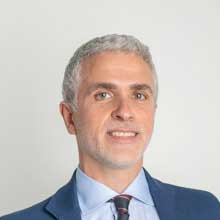
The Delegate for Union Relations supports the Rector in managing the University’s relations with unions and in fostering open, constructive and inclusive dialogue with staff and their representatives. It promotes a culture of trust, cooperation and shared responsibility in collective bargaining and consultation with unions. It also supports the University’s negotiating representatives in developing practical and mutually acceptable solutions that help achieve constructive agreements and dialogue in the best interests of the whole community.
- Supporting the Rector in relations with staff representatives (RSU), health and safety representatives (RLS), and unions.
- Fostering open and transparent dialogue with staff representatives.
- Supporting information-sharing, consultation and collective bargaining processes.
- Monitoring issues of particular relevance to administrative staff, language assistants, and academic staff.
- Promoting initiatives that foster constructive, collaborative and solution-focused relations with unions, with a view to serving the wider interests of the University community and reaching balanced solutions.
- Helping to prevent, manage and resolve organisational and/or labour disputes.
- Supporting policies and initiatives that recognise and enhance the contribution of staff and promote a positive working environment.
Delegate for Resource Allocation Models and Calendars

The Delegate for Resource Allocation Models and Calendars supports the Rector in defining criteria, models and tools to ensure the fair, transparent and strategically aligned distribution of University resources. The Delegate promotes analysis of Departmental needs and contributes to human and financial resource planning, ensuring alignment with the University’s strategic objectives, organisational sustainability and the development of teaching and research activities.
The Delegate also oversees the definition and timely publication of teaching and examination calendars, ensuring they are consistent with planned resources and appropriately structured and differentiated across the University’s campuses (Venice, Mestre and Treviso), to ensure the quality of the student learning experience and full access to the University’s educational programme.
- Defining and updating models for the allocation of resources to Departments.
- Developing criteria and indicators for resource allocation in line with the University’s strategic objectives.
- Analysing and monitoring the teaching-related needs of Departments and degree programmes.
- Supporting the planning of the academic programmes based on available resources.
- Defining models and criteria for the allocation of staff headcount points (punti organico).
- Analysing recruitment and development needs for teaching and research staff.
- Supporting the University’s governing bodies in developing forecasts and scenarios for the sustainability of staffing levels and the educational programme.
- Promoting transparency, fairness and sustainability in resource allocation processes.
- Coordinating the preparation of teaching and examination calendars in line with the planning of the educational programme and available teaching resources.
- Ensuring the timely publication of calendars, with arrangements tailored to each campus and aligned deadlines across University sites.
- Monitoring compliance with publication deadlines and the quality and completeness of the information made available to students.
Delegate for the Development of Activities with the Port Authority and City-Port Relations
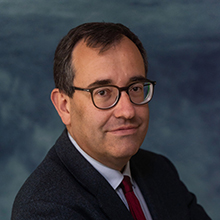
The Delegate for the Development of Activities with the Port Authority and City-Port Relations supports the Rector in bringing together and strengthening Ca’ Foscari’s extensive expertise in port-city issues, a field recognised as part of the University’s historical identity. The Delegate oversees relations with the North Adriatic Sea Port Authority (Ports of Venice and Chioggia) and the network of stakeholders operating across the port and the city, with the aim of establishing Ca’ Foscari as an equal scientific and institutional partner and of giving the University’s activities on port-city systems a coherent and visible profile, both within the University and internationally.
- Defining the University’s strategic direction on port-city issues and overseeing relations with the Port Authority.
- Coordinating the identification, integration and active promotion of Ca’ Foscari’s activities in the port and maritime sectors.
- Systematically mapping Ca’ Foscari’s activities relating to port-city systems, in coordination with the Research Area and the Ca’ Foscari University of Venice Foundation.
- Relaunching and managing the agreement between Ca’ Foscari and the Port Authority (AdSP).
- Building an internal network to raise awareness and provide support and motivation for academic staff and University units working in this field.
- Developing a network of universities and higher education institutions in Venice working on port-city issues and strengthening its international reach.
- Overseeing relations with the network of stakeholders operating across the port and the city, including the Municipality of Venice, the Metropolitan City of Venice, the Veneto Region, the Harbour Master’s Office, the Italian Navy, the Chamber of Commerce, the Venice Sustainability Foundation (VSF), the Authority for the Venice Lagoon, CNR-ISMAR, professional bodies and trade associations.
Delegate for University Sustainability

The Delegate for University Sustainability supports the Rector in promoting sustainability as a principle for governance and for value creation and measurement across public- and private-sector organisations. The Delegate fosters a culture of sustainability grounded in responsibility, transparency, reporting and the assessment of economic, social and environmental impacts. The Delegate also helps position the University as a national and international point of reference for sustainability, sustainable finance, corporate governance and impact measurement.
- Promoting the integration of ESG principles into the University’s strategies and activities.
- Coordinating initiatives relating to organisational sustainability, social responsibility and sustainable value creation.
- Developing tools and practices for accountability, reporting and the measurement of economic, social and environmental impacts.
- Promoting a culture of sustainability across public-sector, private-sector and third-sector organisations.
- Raising the profile of the University’s competencies in corporate sustainability, sustainable finance and transition governance.
Delegate for University Libraries

The Delegate for University Libraries supports the Rector in setting strategic direction for the University Library System (SBA) and advancing broad, sustainable, open access to knowledge. The Delegate guides the SBA’s transformation from a system focused on print collections and reading rooms into an integrated knowledge infrastructure that includes electronic resources, open access, research support services and new uses for physical spaces. It serves researchers and students across all campuses (Venice, Mestre and Treviso).
- Providing strategic direction for the SBA in coordination with the Director of the University Library System and the relevant boards and councils..
- Developing open access policy and negotiating transformative agreements (Read & Publish) with publishers.
- Ensuring the sustainable management of expenditure on electronic resources and databases within the applicable legal framework.
- Rebalancing print and electronic collections in line with changing demand.
- Rethinking the functions and spaces of University libraries in light of actual usage and changing study needs.
- Library services to support research, including repositories, data management, bibliometrics and support for the Italian Research Quality Assessment (VQR).
- Promoting information literacy and training students and researchers in the critical use of information resources.
Delegate for the Relations with Cultural Foundations
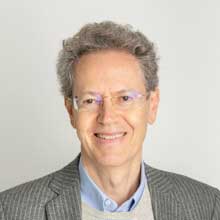
The Delegate for the Relations with Cultural Foundations directly supports the Rector in building and managing institutional relations between the University and the network of foundations and cultural institutions in Venice, Treviso and the surrounding area. The Delegate serves as a single point of contact between Ca’ Foscari and these organisations, transforming occasional collaborations into multi-year partnerships, promoting joint development of initiatives and productions, and securing dedicated funding for the University’s cultural events and projects. Reporting directly to the Rector, the Delegate ensures coordinated relations with a network of strategic partners that enhance the University’s reputation and its engagement with the wider community.
- Mapping and classifying relevant organisations, distinguishing between cultural institutions, with which initiatives can be jointly developed, and banking foundations and grant-making foundations, from which funding can be sought, and defining the most appropriate form of collaboration for each.
- Establishing and maintaining multi-year framework agreements with the leading cultural institutions in Venice and the surrounding area, moving beyond one-off events.
- Developing joint projects and productions involving the University and foundations, including through co-funding arrangements.
- Securing dedicated funding for the University’s cultural events and projects from local grant-making foundations.
- Ensuring, through long-term agreements, access for students and researchers to the spaces, collections and cultural heritage of partner institutions.