
Presentation
Why choose this programme
a gateway to understanding the vital role of the humanities in analysing the relationship between humans and the environment, addressing significant issues such as climate change, migration, and cultural diversity
this degree programme, taught entirely in English and the first of its kind in Italy, promotes dialogue among the natural sciences, social sciences, and humanities in all their forms. Its aim is to train a new generation of professionals and leaders in culture, academia, and education, equipping them with the skills to envision, narrate, and educate towards a more sustainable future for the plane
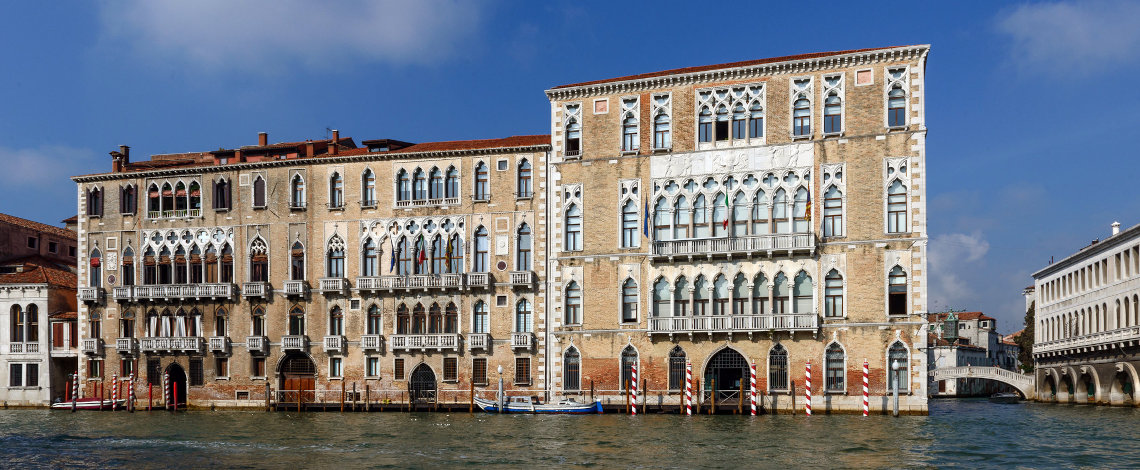
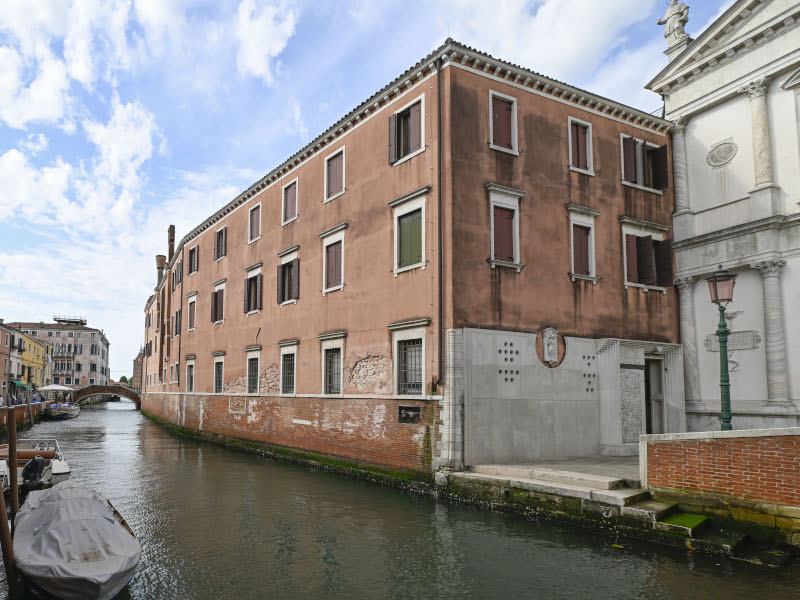
studying at Ca’ Foscari means experiencing Venice, an ideal setting for exploring Environmental Humanities. A city historically situated at the crossroads of civilisations, yet delicate in the face of climate change and global tourism, Venice offers a unique environment for developing critical thinking and creative solutions to contemporary challenges
Overview
Ca’ Foscari’s Master’s Degree in Environmental Humanities is the first in Italy to view the environmental crisis as a global emergency that requires attention not only from scientific and technological standpoints but also from a cultural perspective.
To change the way we heat our homes, consume, and eat – all actions essential to our survival – we need to rethink how we imagine the world and, more broadly, the relationship between everything human and everything non-human (animals, plants, objects). Over the centuries, we have learned to consider the latter as subordinate to human needs, leading to an imbalance that now endangers our future.
It is not too late, but action is needed at every level: in art, culture, education, and everyday life. This is why we need new professionals who, in addition to an ecological sensitivity – which is particularly strong among young students – possess a well-rounded preparation that brings together scientific knowledge (why is the sea level rising?) with humanities-based insights (which stories can help us face sea-level rise, halt it, or live with it?).
The challenge is ambitious but necessary, and the first years of the programme have given us energy and confidence thanks to the extraordinary creativity of students from all over the world.
Venice: an open-air laboratory for the Environmental Humanities
Our great privilege is being in Venice, a unique city that is also vulnerable to the environmental crisis. High water reminds us several times a year that rising sea levels are a tangible reality—felt directly with our own hands and feet. But Venice is also an extraordinary city with centuries of experience in harmonising human life with the ecosystem, a place where one lives surrounded by the beauty of centuries-old monuments and contemporary art, and where it is possible to explore the heart of a lagoon where time slows down, the water, flora, and fauna captivate you, and you are literally transported to another dimension.
Our students know that classroom teaching is only the foundation of their learning; the experience of Venice itself and engagement with the many organisations and communities in the city are also vital parts of their education.
International network, experience abroad and employment

Our international collaborations begin here in Venice, primarily with NICHE (The New Institute Center for Environmental Humanities) at Ca’ Foscari. This research centre contributes to linking our teaching to the latest global research, emphasising non-European cultures.
Another notable Venetian partner is Ocean Space, an institution that combines advanced research with contemporary art.
The Master’s Degree Programme in Environmental Humanities is part of the EUTOPIA European University Alliance and the Erasmus+ EUTOPIA MORE project, through the Environmental Humanities Connected Community, managed in collaboration with LAST Lab. This community brings together students, researchers and lecturers from Ca’ Foscari, the University of Warwick, NOVA University Lisbon and Dresden University of Technology.
You can also choose to spend a period studying or undertaking an internship abroad thanks to Ca’ Foscari’s more than 1,500 partnership agreements worldwide, through programmes such as Erasmus+ and Overseas. This is an opportunity to enrich your education in countries where environmental issues are central – for example, Germany, through the Rachel Carson Center in Munich, or Turkey, through an exchange with Cappadocia University.
Ca' Foscari has over 1,500 partnerships with international institutions, including programmes like Erasmus+ and Overseas, enabling students to study and intern abroad. This is an opportunity to enrich your education in countries where environmental issues are central – for example, Germany, through the Rachel Carson Center in Munich, or Turkey, through an exchange with Cappadocia University.
Ca' Foscari's Career Service guides you into the world of work with advice services, CV support, meetings with institutions and companies, and the search for and setup of training internships in Italy and abroad.
After graduation
you might work in environmental education or consulting, possibly in international settings, partnering with educational and cultural institutions, companies, NGOs, and other organisations dedicated to increasing ecological awareness
you will have the chance to plan and organise environmental-themed cultural activities for associations, cultural organisations, and institutions at local, national, and international levels
you may work in the field of cultural mediation and communication, supporting the enhancement of the environmental aspects of all forms of tangible and intangible cultural heritage — from museums to natural parks. You could collaborate with public and private organisations, development and cooperation agencies, cultural tourism entities, publishing houses, media outlets, and press offices

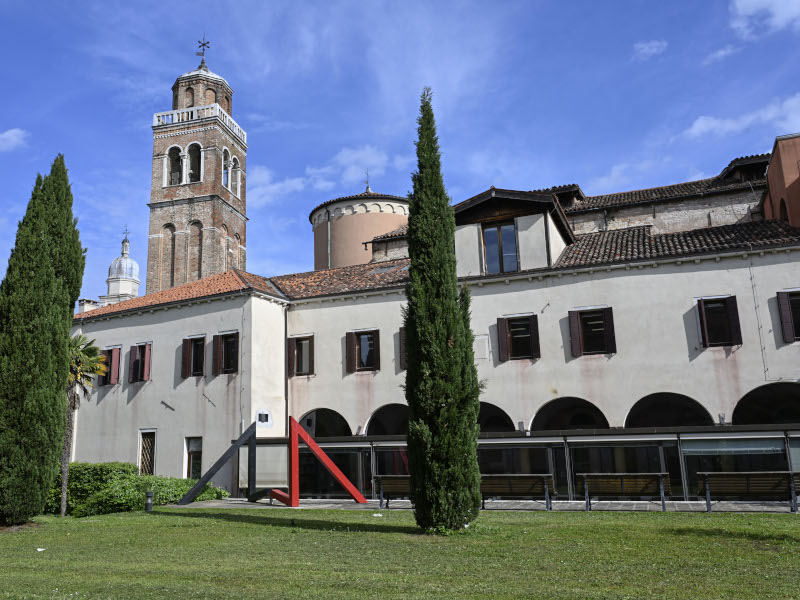
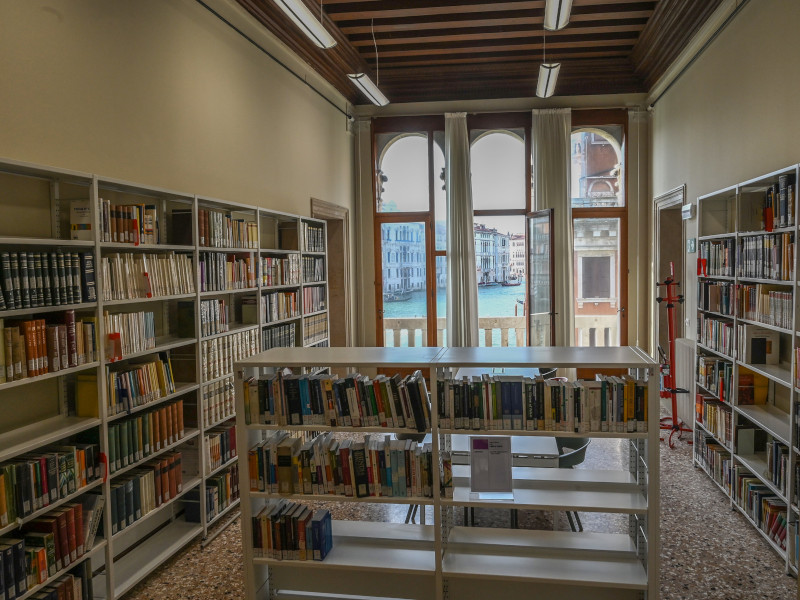
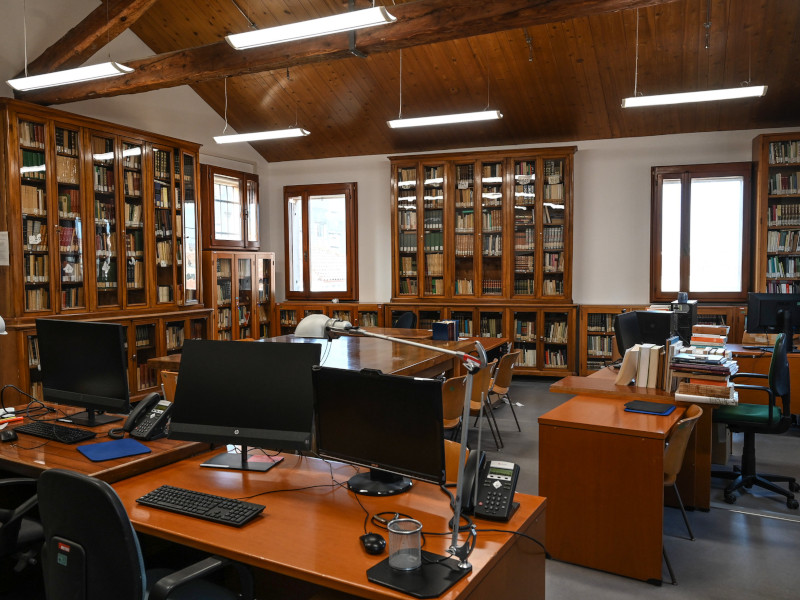
Where
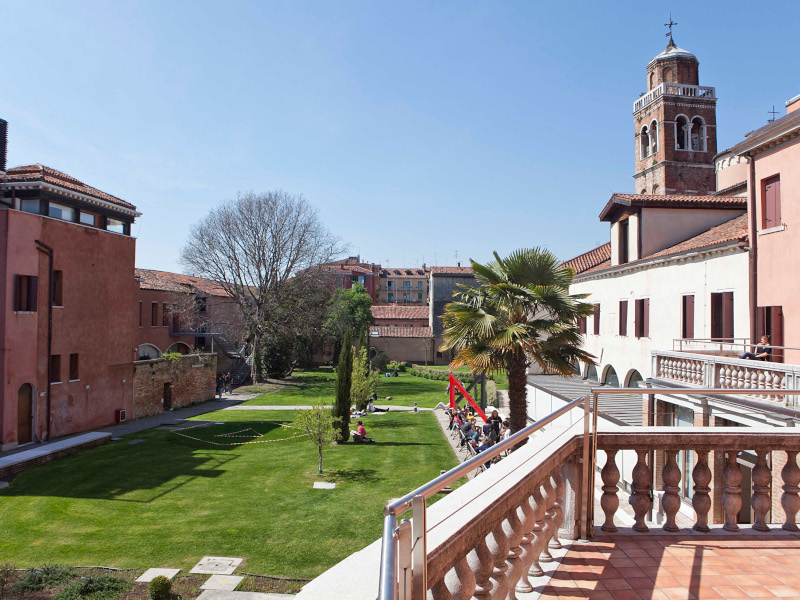
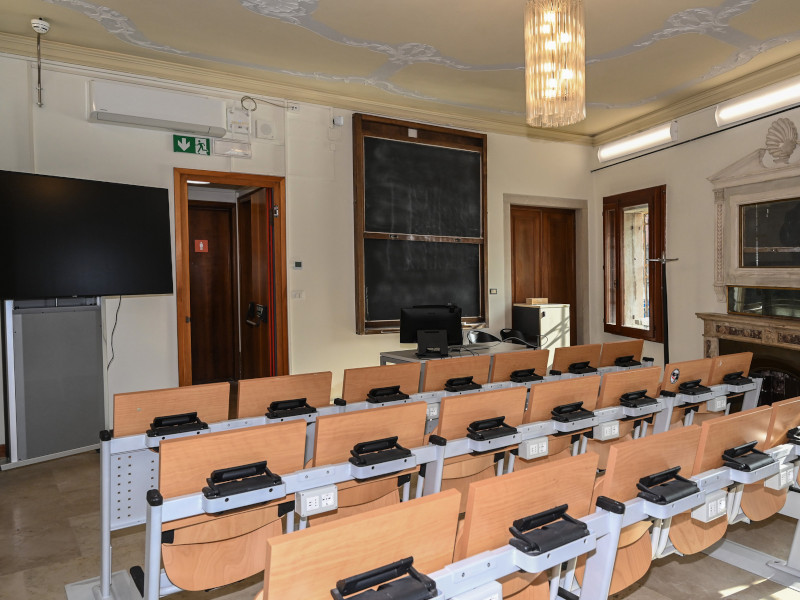
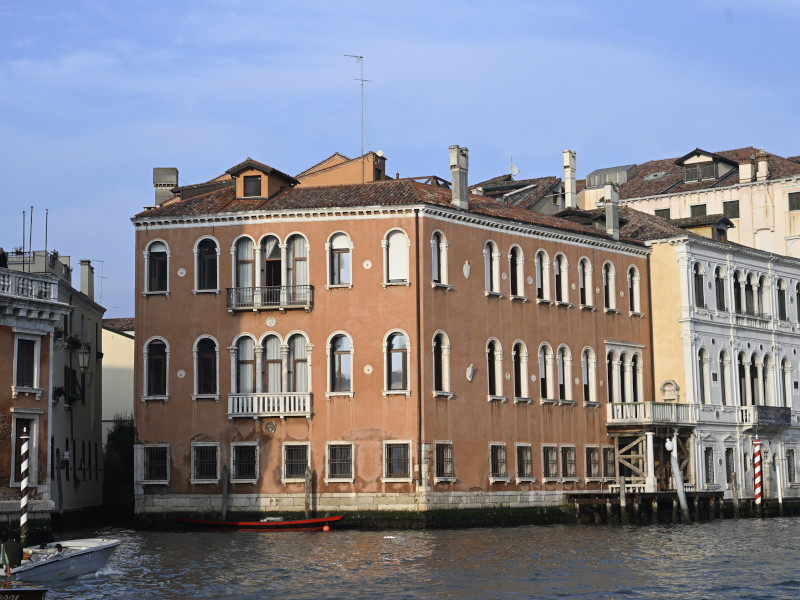
Department of Asian and North African Studies
San Sebastiano, Dorsoduro 1686, Campo San Sebastiano, 30123 Venice (Italy)
Contacts
Linguistic Campus
ADiSS - Linguistic Campus
Polo didattico San Basilio [ITA], dock no. 5, 30123 Venice (Italy)
Campus services: campus.linguistico@unive.it
Linguistic area internships: stage.campuslingue@unive.it
Information tutors: tutor.campuslingue@unive.it
Degree programme website (permalink): www.unive.it/degree/lmr10