

Presentation
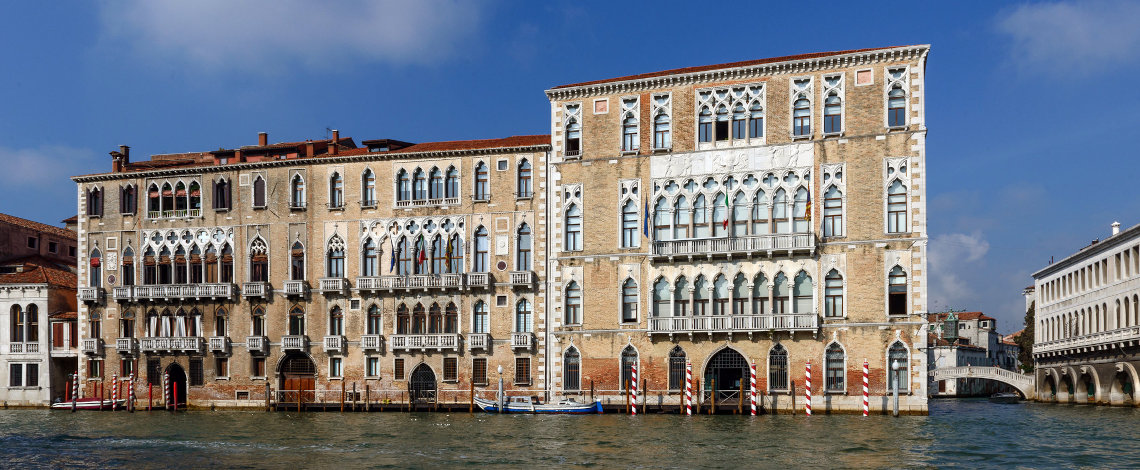
Why choose this programme
this Master's degree programme, developed in partnership with the University of Padua, is designed to equip students with analytical and methodological skills essential for examining the complex socio-cultural dynamics of modern societies
the programme’s specialised courses and seminars concentrate on various geographical areas, including Latin America, Australia, Europe, East Asia, and Africa. This comparative and comprehensive perspective allows students to observe and analyse dynamic situations at both local and global levels
in addition to a strong emphasis on ethnolinguistics, the programme comprises three curricula: Cultural Anthropology, Anthropology of Asia, and Anthropology of Arts and Performance. This structure enables students to achieve a high level of specialisation in these areas while maintaining a broad perspective on other key contemporary research topics. The programme explores themes such as the social and cultural role of the arts and performance, movements for territorial rights and reclamation, the social dynamics of various medical systems, migration, local economies and knowledge, ecological transition, as well as the realm of social media and multimedia tools
Overview
The Master’s Degree Programme in Cultural Anthropology, Ethnology, Anthropological Linguistics at Ca’ Foscari University, offered in partnership with the University of Padua, provides the tools needed to analyse current cultural topics such as conflict, migration, ethnicity, environmental sustainability, tourism, interspecies ethnography, post- and neo-colonial situations, and the new cultural syntheses that emerge from them.
Course topics include the social and cultural roles of the arts and performance, movements for territorial defence and reclamation, the social dynamics of different medical systems, migration, local economies and knowledge, ecological transition, and the world of social media and digital communication.
You will gain a deep understanding of the current phase of rapid cultural change through ethnographic and ethnolinguistic training, and develop a mature awareness of the professional and ethical aspects of anthropological work — including its methods, responsibilities, and consequences.
The programme equips students with skills that are increasingly important in multi-ethnic societies experiencing significant territorial changes, such as urbanisation, migration, and impoverishment, and in contexts where movements for defence, reclamation, and empowerment are emerging—such as the recovery of local governance, traditional economies, and indigenous knowledge.
It aims to train professionals capable of analysing and engaging with multi-ethnic societies and contexts marked by conflict, urbanisation, and migration. The programme also examines the rich cultural creativity that links the arts and performance to movements defending and reclaiming territories, economies, and traditional knowledge — particularly in the age of social media and digital tools.
The Demo-Ethno-Anthropological Laboratory
(LAB-DEA)
You will have the opportunity to participate in the many activities of the Demo-Ethno-Anthropological Laboratory (LAB-DEA) [ITA], which brings together lecturers and researchers from this field who conduct scientific research across various areas of study and publish their work nationally and internationally.
LAB-DEA hosts a weekly seminar programme that covers a broad spectrum of ethnographic and interdisciplinary research topics. These seminars aim to support both training and methodological development, assisting students — especially those working on their dissertations — to gain a thorough understanding of the phenomena and contexts discussed. The seminars are held every Monday from 2:30 to 4:30 p.m. during the teaching term.
LAB-DEA also collaborates with the ACEL series (Cultural Anthropology, Ethnology, Ethnolinguistics), dedicated to publishing anthropological, ethnographic and ethnolinguistic works by scholars connected to the research promoted by the programme. It also works in partnership with the Centre for Anthropological, Geographical and Historical Research from the Middle Ages to the Contemporary Age (AGeS) [ITA].
Video maker in a few hours
An orientation project and an educational experience
A video created by a group of students from the Department of Humanities.
“A glimpse into anthropology’s ongoing quest — encounters of beauty and humanity. The mystery of our discipline lies in the field: the place, the situation, the actions, and the emotions experienced in research, and which we, as students, are called to explore and embody.”

Opinions
Programme coordinator
“The ACEL Master’s Degree Programme offers specialised training in anthropology that enables students to analyse social processes and dynamics from a comparative perspective, covering various geographical regions (Asia, Africa, Oceania, South America, and Europe). By gaining ethnographic and ethnolinguistic tools alongside an advanced theoretical and methodological framework, ACEL students will learn to operate effectively in rapidly changing cross-cultural environments. In particular, the programme provides resources for interpreting the complex contemporary global challenges related to conflicts, migration, environmental sustainability, identities, and local knowledge, as well as performance and artistic phenomena.”
International network, experience abroad and employment

Ca' Foscari has over 1,500 partnerships with international institutions, including programmes like Erasmus+ and Overseas, enabling students to study and intern abroad. The Anthropology programme has partnerships with the University of Sydney and the University of Melbourne in Australia through the Erasmus ICM scheme. In addition, each year the programme offers students the opportunity to attend a course in English on a range of specialised topics taught by a visiting professor.
Ca' Foscari's Career Service guides you into the world of work with advice services, CV support, meetings with institutions and companies, and the search for and setup of training internships in Italy and abroad.
After graduation
as an anthropologist, you might work for cultural institutions or international cooperation agencies
subject to the requirements of current regulations, you may qualify to teach in schools and secondary education
you will be capable of designing and overseeing research and intervention projects, along with cultural events and activities, on behalf of public or private institutions such as museums, parks, and organisations committed to the preservation and promotion of local and national cultural heritage, research societies, and social organisations
Where
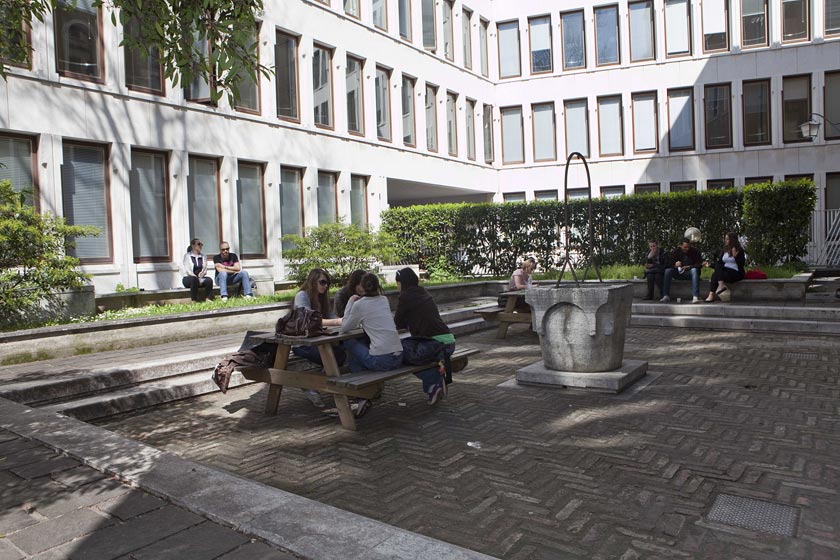
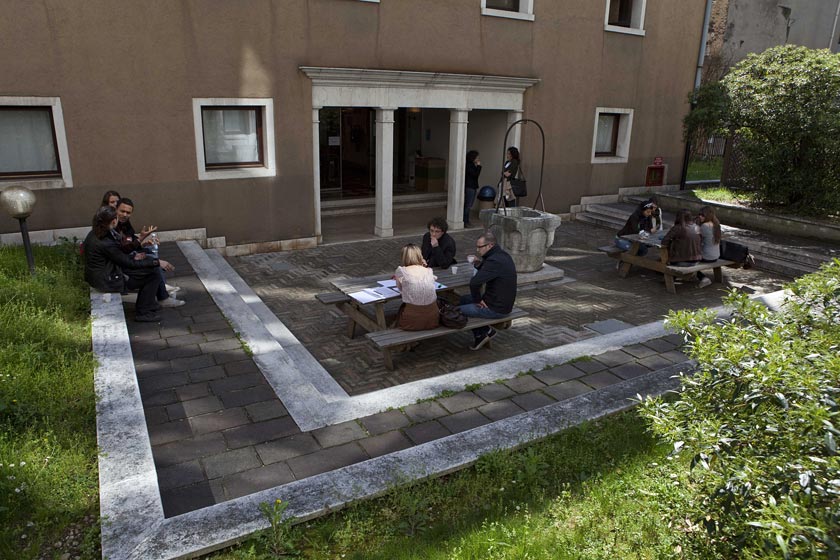
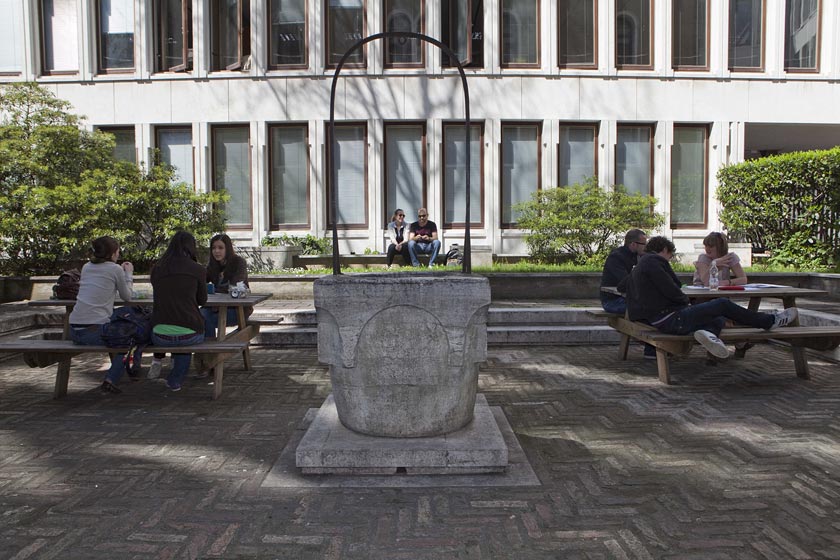
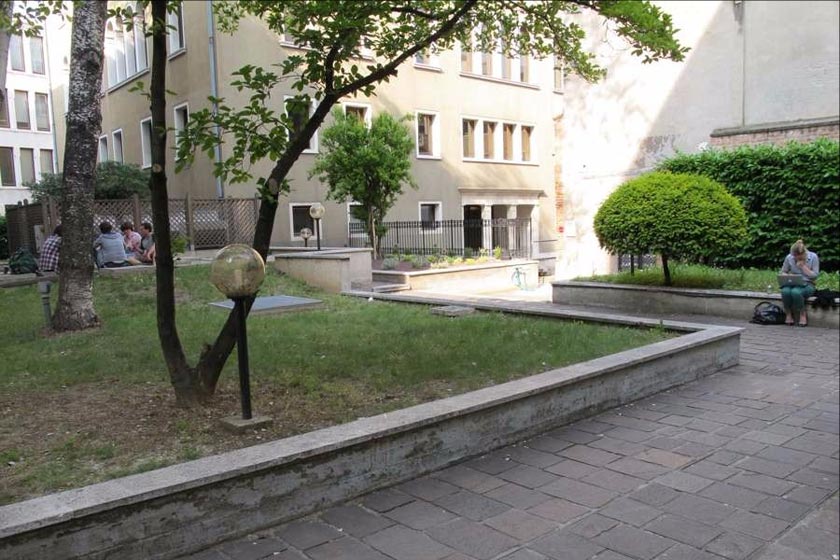
Department of Humanities
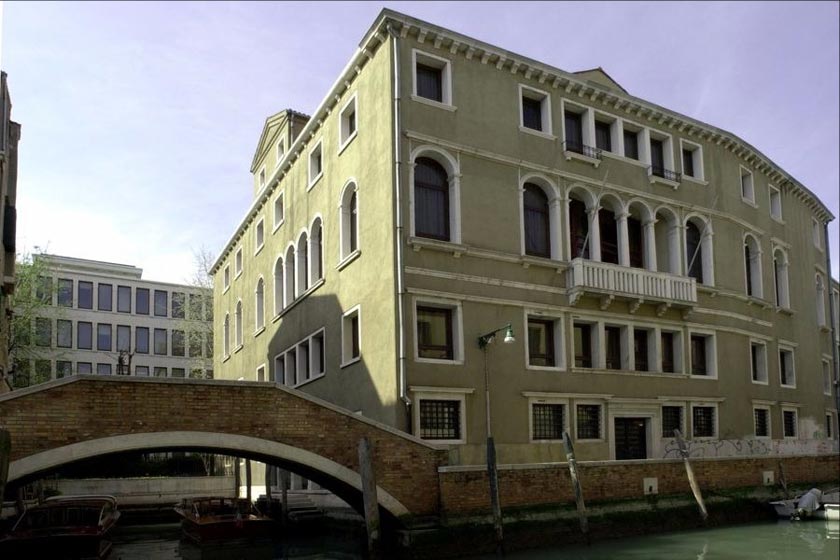
Malcanton Marcorà, Dorsoduro 3484/D, Calle Contarini, 30123 Venice (Italy)

Contacts
Humanistic Campus
ADiSS - Humanistic Campus
Malcanton Marcorà [ITA], Dorsoduro 3484/D, 30123 Venice (Italy)
Campus services: campus.umanistico@unive.it
Humanistic area internships: stage.areaumanistica@unive.it
Information tutors: tutor.campusumanistico@unive.it
Degree programme website (permalink): www.unive.it/degree/fmr10