

Horizon Europe Projects
Department of Environmental Sciences, Informatics and Statistics
Horizon Europe is the European funding program for research and innovation for the period 2021-2027. It aims to stimulate economic growth in the Eurozone and promote its industrial competitiveness, encouraging the transition from scientific research to its application in industrial and social contexts. Specifically, the program aims to respond specifically to the global challenge posed by climate change and the need for sustainable development. 95.5 billion euros have been made available.
Collaborative
SOWISE PLUS
Solid Organic Waste Into Sustainable End-Products
Project number: Grant Agreement n. 101292578
Call identifier: HORIZON-JU-CBE- 2025, Topic: HORIZON-JU-CBE-2025-IAFlag-01 - Urban-industrial symbiosis for bio-waste valorisation, Type of action: HORIZON JU Innovation Actions
CUP: H73C26000440006
UNIVE Scientific Director: Paolo Pavan
UNIVE status: partner
Duration: 01/07/2026 - 30/06/2031
Total project cost: € 23.189.252,68
Budget UNIVE: € 762.448,75
UNIVE research group: Paolo Pavan, Francesco Valentino, Elena Semenzin, Elena Badetti, Marco Gottardo
Website: https://sowiseplus.eu
The SOWISE+ project (Horizon Europe) develops and demonstrates at industrial scale (TRL8) an innovative biorefinery for the valorisation of urban biowaste and post-consumer absorbent hygiene products (AHPs). The system integrates advanced bioconversion technologies to produce biodegradable bioplastics (PHA, particularly PHBV) and high-quality regenerated cellulose for multiple applications, including packaging, agriculture, construction and healthcare.
The project builds on previous EU research and introduces a novel model of urban-industrial symbiosis, integrating waste management with bio-based material production. Research activities focus on process optimisation, development and validation of innovative materials, sustainability assessment through LCA/LCSA approaches, and the creation of replicable models across Europe.
SOWISE+ aims to reduce the environmental impact of urban waste, decrease dependency on fossil raw materials, and enable new circular value chains, supporting the transition towards a circular and bio-based economy in European cities.
SeaStrong
Stronger together: the role of connectivity in safeguarding functioning coastal ecosystems under global change
Project number: Grant Agreement n. 101286483
Call identifier: HORIZON-CL6-2025-01
CUP: H73C26000530006
UNIVE Scientific Director: Alessio Rovere
UNIVE status: partner
Duration: 01/09/2026 - 28/02/2031
Total project cost: € 5.997.474,54
Budget UNIVE: € 398.908,97
UNIVE research group: Alessio Rovere
SEASTRONG investigates how mangrove forests, seagrass beds, coral reefs, and coastal communities are connected, and how this knowledge can support more effective conservation and restoration under climate change.
Focusing on three Small Island Developing States — Belize, Fiji, and Seychelles — the project studies coastal seascapes where mangroves, seagrasses, and coral reefs coexist and jointly provide essential ecosystem services. These ecosystems are increasingly threatened by ocean warming, sea-level rise, and local human pressures, while fragmented conservation approaches often fail to account for ecological connectivity and the priorities of Indigenous and local communities.
SEASTRONG combines spatial mapping, ecological modelling, and stakeholder engagement to understand how these ecosystems function together as interconnected metaecosystems. The project maps connectivity across seascapes, assesses the relationships between ecosystems and human wellbeing, quantifies the impacts of ecosystem loss, and explores future changes under climate warming and sea-level rise. It also evaluates the potential outcomes of restoration actions.
The project will deliver open-source seascape functioning models, science-based guidelines, and decision-support tools to help design climate-smart monitoring, conservation, and restoration strategies. By integrating scientific knowledge with local needs and aspirations, SEASTRONG contributes to international ocean and biodiversity goals, including the UN Decade of Ocean Science, the Kunming-Montreal Global Biodiversity Framework, the EU Biodiversity Strategy 2030, and the EU Nature Restoration Regulation.
IRIS
A Prism for Safe and Sustainable Colouration of Cellulosics

Project number: Grant Agreement n. 101292536
Call identifier: HORIZON-JU-CBE-2025 Topic: HORIZON-JU-CBE-2025-IA-02 Type of Action: HORIZON-JU-IA
CUP: H73C25001630006
UNIVE Scientific Director: Elena Semenzin
UNIVE status: partner
Duration: 01/09/2026 - 31/08/2030
Total project cost: € 6.999.946,35
Budget UNIVE: € 500.175,00
UNIVE research group: Elena Semenzin
IRIS transforms cellulosic textile colouration by replacing hazardous dyeing and printing with Safe-and-Sustainable-by-Design (SSbD) biobased alternatives and circular routes. Using a Multi-Actor Approach, an industry-oriented consortium co-creates solutions compatible with existing lines, accelerating deployment and minimising CAPEX. IRIS targets high-impact processing stages, substituting substances of concern (e.g., aniline, potentially skin-sensitising reactive azo dyes, PVC plastisols) and scaling to TRL 6–7: (i) biobased indigo; (ii) microbial colourants from CO2; (iii) SSbD encapsulation for bio-pigments; (iv) reductant-free enzymatic denim dyeing; (v) Lyocell dope-dyeing; and (vi) PVC-free biobased screen-printing with de-printing.
All routes are drop-in or light-retrofit, validated against standards and OEKO-TEX® requirements. Circular protocols (colour-stripping, removable prints, fibre-to-fibre recycling) complete the value chain. Innovations underwent ex-ante LCA, and upscaling will be fully SSbD-assessed. Expected outcomes include major reductions in water, energy and greehous gases emissions, elimination of hazardous inputs, cleaner effluents, and >80% recyclability. IRIS delivers brand- and recycler-ready TRL 6-7 innovations, business cases and policy briefs, contributing to the EU Chemicals Strategy for Sustainability, Zero Pollution, and the Strategy for Sustainable and Circular Textiles.
DIGI-FISH
Digital & Green Integration for Intelligent, Sustainable Mediterranean Fisheries & Aquaculture
Project number: Grant Agreement n. 101296112
Call identifier: HORIZON-MISS-2025-03
CUP: H73C26000470006
UNIVE Scientific Director: Fabio Pranovi
UNIVE status: partner
Duration: 01/06/2026 - 31/05/2030
Total project cost: € 5.821.212,50
Budget UNIVE: € 418.562,50
UNIVE research group: Raffaetà Alessandra, Simeoni Marta, Pranovi Fabio
The project has 5 main objectives. Namely, a portfolio of digital technologies will be developed to reduce consumption and emissions (SO1). These technologies will be tested and validated across various use cases through five demonstrations (SO4). Relevant data for assessing performance of each of the technologies will be monitored via sensors, IoT, then processed, analyzed, and stored in a data center as evidence (SO2). Collectively, these technologies and the unified, interactive, user-centered platform (SO3) aim to improve decision-support systems by converting complex datasets into actionable information and training resources. This approach is intended to support more efficient, sustainable, and lower emission operations while promoting digitalization in fisheries and fish farming (SO5). Performance is continuously monitored via onboard/onsite sensors, analysed in the Data Space, operationalised through the Platform, enabling transparent tracking of impacts, comparability across pilots, and replication at Mediterranean scale.
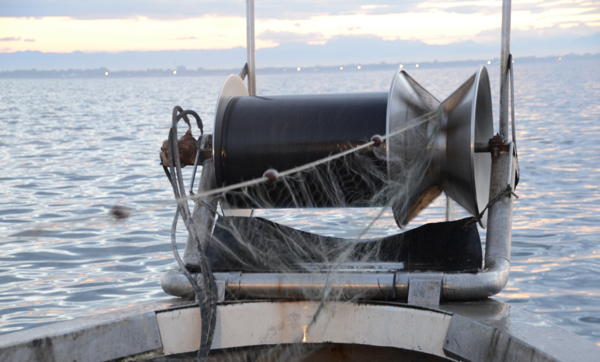
UNIVE is in charge, with IRBIM-CNR, of the Adriatic Sea pilot for integrating IoT, AI, and advanced monitoring on Small-Scale Fishery vessels, aiming to optimize fuel consumption, reduce CO₂ emissions, and improve operational efficiency; real-time GNSS, catch, and fuel monitore combined with AI for routing and load balancing; demonstrate scalable and replicable solutions for Mediterranean small-scale fisheries.
GREENDIGO
Biosolutions for Denim Dyeing within the Planetary Boundaries

Project number: Grant Agreement n. 101257710
Call identifier: HORIZON-EIC-2025-PATHFINDEROPEN - Topic: HORIZON-EIC-2025-PATHFINDEROPEN - Type of action: HORIZON EIC Grants
CUP: H73C25001510006
UNIVE Scientific Director and Project Coordinator: Elena Semenzin
UNIVE status: coordinator
Duration: 01/04/2026 - 31/03/2030
Total project cost: € 2.999.145,00
Budget UNIVE: € 623.435,04
UNIVE research group: Elena Semenzin, Martina Menegaldo, Marco Picone, Andrea Brunelli, Matteo Mauceri, Aurora Trevisan (PhD), Chiara Zentile (PhD)
Website: https://www.projectgreendigo.eu
The global denim industry, producing over 3 billion pairs of jeans annually, is one of the most chemically intensive sectors in textiles. Conventional indigo dyeing relies on fossil-derived synthetic indigo and toxic reducing agents such as sodium hydrosulfite, resulting in widespread water pollution, hazardous working conditions, and high energy and chemical input. GREENDIGO aims to revolutionise this process by developing the first fully enzymatic, biobased dyeing method for denim that is scalable, safe, and sustainable. The project will replace conventional indigo with a water-soluble precursor, which can be adsorbed onto cotton fibres under mild aqueous conditions. A specific enzyme will catalyse its in-situ conversion to indigo directly on the fabric, eliminating the need for harmful reductants and enabling a cleaner, circular textile value chain. GREENDIGO will combine cutting-edge enzyme engineering, synthetic biology, and textile chemistry with advanced sustainability assessment to ensure the process is economically viable, environmentally safe, and aligned with planetary boundaries. UNIVE’s research groups, coordinator of the project will apply the EC’s Safe and Sustainable by Design (SSbD) framework from the outset, integrating life cycle analysis, ecotoxicity testing, and absolute sustainability modelling. Outcomes will be benchmarked against current practices, with particular attention to emissions, resource use, and scalability.
SurfToGreen
Bio-based sustainable SURFactants TO foster GREEN industry

Project number: Grant Agreement n. 101157688
Call identifier: HORIZON-JU-CBE-2023-IA-05
CUP: H73C24000860006
UNIVE Scientific Director: Elena Semenzin
UNIVE status: partner
Duration: 01/10/2024 - 30/09/2029
Total project cost: € 9.062.801,00
Budget UNIVE: € 463.412,50
UNIVE research group: Elena Semenzin
Website: https://www.surftogreen.eu
SurftoGreen aims to develop a new portfolio of fully bio-based surfactants for key applications.
By using renewable biomass-derived building blocks sourced from EU agricultural and forest side streams, the project seeks to create surfactants with over 95% bio-based content, overcoming the current performance and production throughput constraints. Thus, SurftoGreen seeks to provide environmentally friendly alternatives to conventional, petroleum-based products, thereby contributing to a more sustainable future.
The project will validate the effectiveness, sustainability and safety of its bio-based formulations in industrial demonstrators for home and personal care, textile enhancement, and agriculture.
Thanks to the collaboration between major market players and small businesses, SurfToGreen aims to gain significant market share and compete against existing products, to ensure a paradigm shift towards more environmentally friendly practices.
It brings together 18 partners from 10 different countries. Among them, UNIVE is responsible for WP5 “Sustainability integration”, leading the implementation of the EC SSbD (Safe and Sustainable by Design) framework for the innovative solutions being developed in the project.
PHACTUS
PHA through continuous, Tunable, Safe and Sustainable production

Project number: Grant Agreement n. 101292437
Call identifier: HORIZON-JU-CBE-2025
CUP: H73C26000450006
UNIVE Scientific Director: Francesco Valentino
UNIVE status: partner
Duration: 01/09/2026 - 31/08/2029
Total project cost: € 6.876.549,22
Budget UNIVE: € 519.125,00
UNIVE research group: Francesco Valentino, Paolo Pavan, Marco Gottardo
The bioplastics market is still dominated by fossil-based, non-biodegradable polymeric materials. In this context, the European Union is actively promoting investments in applied research to develop sustainable alternatives by valorizing organic waste and by-products into 100% biodegradable polymers, such as polyhydroxyalkanoates (PHAs).
Within the PHACTUS project, the UNIVE research group focuses on specific production steps within the valorization chain of selected organic waste and by-products. Specifically, these activities involve the upstream phase of the biological process, namely acidogenic fermentation (conducted via dark fermentation) using mixed microbial cultures. This process converts residual organic matrices into high-value metabolic intermediates, specifically volatile fatty acids (VFAs), which serve as the building blocks for the process.
Particular emphasis is placed on optimizing the separation unit downstream of the fermentation bioreactor, which is essential for obtaining a VFA-rich stream with low suspended solids. The resulting intermediates will serve as feedstock for the subsequent demonstrative phase of microbial PHA synthesis. The ultimate goal is to demonstrate the technical feasibility and scalability of a biorefinery based on circular economy principles.
OSSential
Project number: Grant Agreement n. 101294904
Call identifier: LIFE-2025-CET; topic: LIFE-2025-CET-OSS - One-Stop-Shops - Integrated services for clean energy transition in building; type of action: LIFE-PJG
CUP: H73C26000570002
UNIVE Scientific Director: Wilmer Pasut
UNIVE status: partner
Duration: 01/10/2026 - 31/03/2029
Total project cost: € 1.864.057,70
Budget UNIVE: € 277.301,20
UNIVE research group: Wilmer Pasut
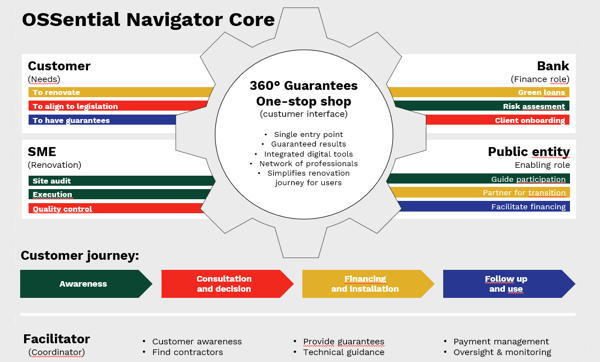
OSSential is a project funded under the EU LIFE Programme (call LIFE-2025-CET-OSS) tackling the fragmentation of the building renovation value chain, one of the main barriers to the European Renovation Wave. The project designs, tests and deploys a next-generation One-Stop-Shop (OSS) for private residential buildings, built around a "360° Guarantees" model that integrates advice, financial support, implementation and quality assurance into a single customer interface. At its core is the OSSential Navigator, comprising: a partnership model between a bank and a private facilitator entity; the OSS itself, managed by the facilitator with result guarantees, insurance, digital monitoring and traceable payments; and a Public Authorities Protocol structuring public-private collaboration. The pilot takes place in Parma, with the Municipality of Parma and Crédit Agricole Italia, delivering renovations in five residential buildings (three apartment blocks and two single-family houses). Coordinated by Harley&Dikkinson Consulting, the consortium includes CBMC, Università Ca' Foscari Venezia, Operate and R2M Solution. OSSential aims to boost consumer trust, de-risk bank financing, strengthen the SME supply chain and deliver replicable tools across Italy, Europe and beyond.
CCAT
Cybersecurity Certification and Assessment Tool

Project number: Grant Agreement n. 101225878
Call identifier: HORIZON-CL3-2024-CS-01
CUP: H73C25001460006
UNIVE Scientific Director: Flaminia Luccio
UNIVE status: partner
Duration: 01/01/2026 - 31/12/2028
Total project cost: € 4.223.156,02
Budget UNIVE: € 500.852,50
UNIVE research group: Flaminia Luccio, Riccardo Focardi, Matteo Busi
Cybersecurity regulations are tightening, and the complex demands of the Cybersecurity Act and Cyber Resilience Act present significant challenges for both tech developers and regulators. With this in mind, the EU-funded CCAT project will enhance four academic open-source tools to support continuous security checks and regulatory compliance. These include TLS-Scanner for TLS security, SCRUTINY for cryptographic evaluation, ALVIE for testing embedded systems, and sec-certs for analysing certification landscapes. By adapting these tools for real-world use and aligning them with EU rules, CCAT aims to increase trust and resilience in the digital single market. The aim is also to empower producers, consumers, and regulators to better understand, assess, and improve cybersecurity. Within the CCAT project, UNIVE will focus on improving and extending the ALVIE tool it has previously developed for the analysis and verification of embedded systems and will collaborate with partners to turn these advancements into a comprehensive, integrated project. The project funded under Grant Agreement No. 101225878 is supported by the European Cybersecurity Competence Centre.
BioSusTex
Towards absolute safe and sustainable biobased textile

Project number: Grant Agreement n. 101135372
Call identifier: HORIZON-CL6-2023-ZEROPOLLUTION-02
CUP: H73C24000920006
UNIVE Scientific Director: Elena Semenzin
UNIVE status: partner
Duration: 01/06/2024 - 31/05/2028
Total project cost: € 3.999.853,25
Budget UNIVE: € 521.780,00
UNIVE research group: Elena Semenzin, Marco Picone, Andrea Brunelli
BioSusTex is a project financed by the Horizon Europe Programme involving 13 international partners with the main objective of improving chemical safety and sustainability of bio-based products in the textile sector. Focusing on cotton and cellulosic textiles BioSusTex targets increased recycling rates and substitution of harmful compounds by (i) delivering an optimized cellulosic fiber recycling process for dope-dyed man-made cellulosics, (ii) develop efficient and sustainable pre-processing techniques for removal of elastane, dyes, and impurities from post-consumer blended cellulosic textile, while avoiding potential toxic degradation products during processing (iii) develop a biobased PFAS-free water-repellent coating based on an innovative methodology with temporary surfactants and (iv) developing removable biobased, PVC-free print formulations. Significant improvements in these key technologies, in accordance with the Safe and Sustainable by design (SSbD) framework, are expected to notably improve the sustainability of the textile value chain. Further, BioSusTex will not only yield technical solutions but respond to the industry needs of rapid assessments methods by (v) further developing analytical methods and prediction tools related to toxicity evaluation (vi) building a novel Decision Support software tool implementing the SSbD methodology; and (vii) creating a database compiling all the data generated in the previous stages, which ultimately supports systemic sustainable innovation in the textile value chain as a whole.
SUNRISE
Safe and sUstainable by desigN: integRated approaches for Impact aSsessment of advanced matErials

Project number: Grant Agreement n. 101137324
Call identifier: HORIZON-CL4-2023-RESILIENCE-01, Topic: HORIZON-CL4-2023-RESILIENCE-01-22, Type of action: HORIZON Research and Innovation Actions
CUP: H73C23001260006
UNIVE Scientific Director: Antonio Marcomini
UNIVE status: coordinator
Duration: 01/01/2024 - 31/12/2027
Total project cost: € 3.749.417,50
Budget UNIVE: € 399.982,50
UNIVE research group: Antonio Marcomini, Elena Semenzin, Elena Badetti
Website: https://www.sunrise-horizon.eu/
Social profiles: Linkedin SUNRISE
The SUNRISE project (acronym for "Safe and Sustainable by Design: integrated approaches for impact assessment of advanced materials”) aims to develop an integrated assessment of potential impacts on human health and the environment from innovative commercial products consisting of advanced materials (AdMa), including nanomaterials. As defined by the Organization for Economic Cooperation and Development (OECD), AdMa are defined as those materials that exhibit innovative or improved properties compared to conventional materials, such that they bring new performance and/or functionality. Life cycle analysis of such innovative products (from the raw materials required for product synthesis to the disposal and end-of-life phases) will be the cornerstone for the development and application of an integrated assessment of their safety (for the environment and for workers’ and consumers’ health) and of their environmental, economic and social sustainability. This integrated assessment will be implemented taking into account the Safe and Sustainable by Design (SSbD) approach, recently promoted by the European Commission, in order to support the design and development of innovative products, ensuring their safety and sustainability. SUNRISE envisions the involvement of several key stakeholders along the entire value chain in a co-creative process that balances the perspectives and interests of stakeholders from industry (including SMEs), regulation, policy, consultants (and CROs), academia, and the civil society.
MODERATE
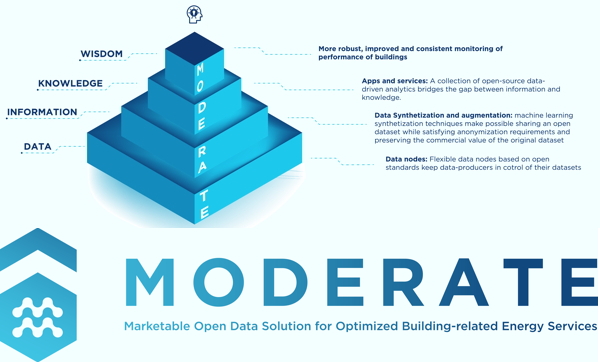
Marketable Open Data Solutions for Optimized Building-Related Energy Services
Project number: Grant Agreement n. 101069834
Call identifier: HORIZON-CL5-2021-D4-01-03
Funding body: European Commission Horizon Europe Programme
CUP: H73C22000500006
UNIVE Scientific Director: Wilmer Pasut
UNIVE status: partner, EURAC coordinator (Private Research Center)
Duration: 01/06/2022 - 31/05/2026
Total project cost: € 4.998.612,00
Budget UNIVE: € 111.957,50
UNIVE research group: Wilmer Pasut
Lack of interoperability between building datasets is a key issue MODERATE aims to address by developing an open marketplace where data can be reliably shared between data owners. In a next step, the platform will allow for users to make use of different services to analyse the available data, gain insights on the building stock and create a long-term impact for the management of buildings.
BoSS
Bauhaus of the Seas Sails

Project number: Grant Agreement n. 101079995
Call identifier: HORIZON-MISS-2021-NEB-01
CUP: H73C22001550006
UNIVE Scientific Director: Fabio Pittarello
UNIVE status: partner
Duration: 01/01/2023- 31/12/2025
Total project cost: € 4.999.975,00
Budget UNIVE: € 510.600,00
UNIVE research group: DAIS: Fabio Pittarello, Fabio Pranovi; Dip.Management: Stefano Micelli, Massimo Warglien, Giorgio Stefano Bertinetti
Website: https://bauhaus-seas.eu
The Bauhaus defined the role of design in the 20th century by combining art and architecture with industry and construction embedded in a political, economic and social vision of the world. The New European Bauhaus (NEB), promoted by the European Commission, aims at raising a movement towards implementing the Green Deal based on sustainability, social inclusion, and beauty.
This means realising regenerative approaches inspired by nature that enrich our experiences through creativity, art, and culture, embracing diversity to promote inclusive, accessible spaces where the dialogue between diverse cultures, disciplines, genders, ethnicities, and ages becomes an opportunity to imagine a better future for all.
In response to the challenge of the climate crisis, the Bauhaus of the Seas (BoS) proposes a NEB mobilisation around the most important natural space in the EU and the world: the sea.
The BoS aims to demonstrate solutions for climate neutrality with a particular focus on coastal cities and will offer opportunities to engage with communities for an environmentally sustainable, socially fair, and aesthetically appealing transition.
Seven lighthouse demonstrators will be located in different aquatic ecosystems: the Atlantic Tagus River Estuary (Lisbon/Oeiras), the Lagoon in the Adriatic (Venice), the Gulf of Genoa (Genoa), the Atlantic Rhine–Scheldt Delta (Rotterdam), the Öresund Strait (Malmö) and North Sea / Elbe River (Hamburg). They will serve as pilots for the broader implementation of the NEB under the vision of the BoS.
GREENART
GREen ENdeavor in Art ResToration

Project number: Grant Agreement n. 101060941
Call identifier: HORIZON-CL2-2021-HERITAGE-01/HORIZON-CL2-2021-HERITAGE-01-01
CUP: H73C22000770006
UNIVE Scientific Director: Elena Semenzin
UNIVE status: partner
Duration: 01/10/2022 - 30/09/2025
Total project cost: € 3.826.281,00
Budget UNIVE: € 137.751,00
UNIVE research group: Elena Semenzin, Elena Badetti, Martina Menegaldo
GREENART is a Horizon Europe funded project which involves 28 international partners. The project aims at identifying and producing safe and effective solutions for the conservation and restoration of works of art based on materials with a low environmental impact derived from renewable natural source or from recycled waste. The project proposes new solutions based on green and sustainable materials and methods:
- protective coatings based on green materials from waste and plant proteins;
- foams and packaging materials made by biodegradable/compostable polymers from renewable sources;
- consolidants based on natural polymers from renewable sources;
- gels and cleaning fluids inspired by the most advanced systems currently available to conservators, improving them according to green and circular economy;
- green tech solutions for monitoring cultural heritage assets non-invasively against pollutants and environmental oscillations.
The safe-by-design approach will be used from the early design stages to verify the product safety.
In addition, product performance will be evaluated throughout the entire life cycle, in line with Life Cycle Assessment principles, which will be used to assess both environmental sustainability and economic feasibility.
ERC - European Research Council
AiCE
Deep learning. Artificial intelligence revealing the oldest ice climate signals

Project number: Grant Agreement n. 101088125 / Amendment Reference No AMD-101088125-1
Call identifier: ERC-2022-COG, Type of Action: HORIZON-ERC (HORIZON ERC Grants)
CUP: H73C23001430006
UNIVE Scientific Director: Sebastiano Vascon
UNIVE status: partner
Duration: 01/01/2024 - 31/12/2028
Total project cost: € 1.980.998,00
Budget UNIVE: € 100.000,00
UNIVE research group: Sebastiano Vascon
Ca' Foscari, within the AiCE project, will research and develop artificial intelligence and computer vision models to segment and recognize particular patterns within ice cores. Given the increasing availability of data, this will allow for the automation and speeding up of ice core analysis, which are crucial for progress in polar science research. Furthermore, generative AI models will be used to reduce the amount of acquired data, hence speeding up the analysis.
REGINDEX
Compressed Indexes for Regular Languages with Applications to Computational Pan-genomics
Project number: Grant Agreement n. 101039208
Call identifier: ERC-2021-STG
CUP: H75F22000290006
UNIVE Scientific Director: Nicola Prezza
UNIVE status: coordinator
Duration: 01/09/2022 - 31/08/2027
Total project cost: € 1.385.743,00
Budget UNIVE: € 1.385.743,00
UNIVE research group: Nicola Prezza
Website: https://www.unive.it/regindex
The research project, funded by the Horizon Europe programme with an ERC starting grant, tackles the problem of organizing big and structured data sets in order to reduce their space usage and accelerate searches inside them. On a high level, the idea is very similar to the functioning of a common dictionary: it is much easier to search a term in a dictionary rather than in a book because, in the former, terms are sorted alphabetically. The REGINDEX project extends this simple idea to much more complex data: labeled graphs (or, equivalently, regular languages). While sentences in a book are formed by consecutive words, in a labeled graph “jumps” between (even very distant) words are permitted. Even if this makes the problem of searching sentences in a graph much more complicated, the project will show that the idea of sorting still applies. The developed techniques will find immediate applications in the design of algorithms for searching mutations inside sets of genomes. The DNA of two human beings is never perfectly identical. As a matter of fact, the differences existing among all human genomes can be modeled as a very large labeled graph: a pangenomic graph. The problem of searching for a particular mutation in the data set translates to that of searching a “sentence” (a path) inside this graph.
MSCA - Marie Skłodowska-Curie Actions
WARN2RESIL
Towards Resilient Communities: Understanding triggers of Multi-Hazard Early Warning Systems with Comprehensive Risk Metrics

Project number: Grant Agreement n. 101279145
Call identifier: HORIZON EUROPE - HORIZON-MSCA-2025-PF. Type of action: HORIZON-TMA-MSCA-PF-EF Postdoctoral Fellowships - European Fellowships
CUP: H73C26000260006
MSCA Fellow: Timothy Tiggeloven
UNIVE Scientific Director (Supervisor): Andrea Critto
UNIVE status: coordinator
Duration: 01/04/2027 - 31/03/2029
Total project cost: € 193.643,28
Budget UNIVE: € 193.643,28
UNIVE research group: Timothy Tiggeloven, Andrea Critto
WARN2RESIL develops a systemic framework for impact-based Multi-Hazard Early Warning Systems (MHEWS), addressing a critical gap in disaster risk reduction. Current early warning systems are often solely focussing on individual hazards, and therefore fail to capture cascading and compounding effects that may amplify societal impacts. This project adopts a multi-hazard perspective to uncover hidden interrelationships between hazard triggers and impacts across diverse regions (Italy and Japan). By integrating Artificial Intelligence and stakeholder engagement, WARN2RESIL produces novel, dynamic multi-risk metrics to address the interconnected nature of natural hazards and society for early warning. This project further advances progress toward the UN's Early Warning for All initiative and the Sendai Framework 2030 targets, which contributes to advancing communities with more resilient, informed disaster response.
C-METABnG
Catchment METAbolism of Blue and Green fluxes
Project number: Grant Agreement n. 101280903
Call identifier: HORIZON-MSCA-2025
CUP: H73C26000280006
MSCA Fellow: Francesca Bassani
UNIVE Scientific Director (Supervisor): Enrico Bertuzzo
UNIVE status: coordinatore
Duration: 01/10/2026 - 30/09/2028
Total project cost: € 193.643,28
Budget UNIVE: € 193.643,28
UNIVE research group: Francesca Bassani, Enrico Bertuzzo
C-METABnG will develop the first integrated framework to quantify whole-catchment metabolism, explicitly linking terrestrial (“green”) metabolism, associated with vegetation productivity, with aquatic (“blue”) metabolism, arising from biogeochemical processes in rivers. Catchments play a key role in regulating carbon and nutrient exchanges between terrestrial and aquatic ecosystems, yet these two components are still commonly studied separately. By combining observations and measurements across different scales with process-based modelling and probabilistic approaches, the project will investigate how carbon is fixed, transformed, and transferred along the land-water continuum, and how these processes respond to hydroclimatic variability. The ultimate goal is to improve our ability to predict catchment carbon dynamics under changing climatic conditions, with implications for ecosystem functioning and resilience, and the global carbon cycle. C-METABnG will be conducted at Ca’ Foscari University of Venice, in the Department of Environmental Sciences, Informatics and Statistics, under the supervision of Prof. Enrico Bertuzzo, and will include a secondment at the École Polytechnique Fédérale de Lausanne, Switzerland, with Prof. Sara Bonetti.
CASPER
Cross-Modal Alignment for Semantic Processing and Effective Representation

Project number: Grant Agreement n. 101205348
Call identifier: HORIZON EUROPE - HORIZON-MSCA-2024-PF-01, Type of action: HORIZON TMA MSCA Postdoctoral Fellowships - European Fellowships
CUP: H73C25000670006
MSCA Fellow: Ambuj Mehrish
UNIVE Scientific Director (Supervisor): Sebastiano Vascon
UNIVE status: coordinator
Duration: 01/10/2025 - 31/09/2027
Total project cost: € 209.483,28
Budget UNIVE: € 209.483,28
UNIVE research group: Ambuj Mehrish, Sebastiano Vascon
Cross-Modal Alignment for Semantic Processing and Effective Representation (CASPER) bridges the gap between artificial intelligence (AI) and human cognition by creating multimodal systems capable of reasoning similarly to humans. Although large language models (LLMs) excel in text processing, they often struggle with seamlessly integrating diverse modalities like audio, images, videos, and neural signals. CASPER addresses this limitation by combining deep learning, graph neural networks (GNNs), and neuroscience within a unified architecture. Inputs across modalities are encoded into embeddings and structured as nodes within a semantic graph. GNNs fuse these nodes into abstract concepts aligned with the semantic token space of an LLM. This integration empowers the LLM to perform multimodal reasoning, enabling tasks such as audiovisual question answering or image captioning. CASPER also uniquely decodes neural signals (fMRI, EEG, MEG) into this shared semantic space, allowing neural activity to directly reconstruct sensory experiences via generative models. Supported by interdisciplinary expertise from Ca’ Foscari University, EPFL, and the University of Geneva, CASPER significantly advances multimodal AI and brain-computer interfaces.
IMAGICS
Isotope iMAGing for Ice Core Science
Project number: Grant Agreement n. 101148707
Call identifier: HORIZON-MSCA-2023-PF-01, Type of action: HORIZON TMA MSCA Postdoctoral Fellowships - European Fellowships
CUP: H73C23001620006
MSCA Fellow: Daniele Zannoni
UNIVE Scientific Director (Supervisor): Marco Roman
UNIVE status: coordinator
Duration: 01/09/2025 - 31/08/2027
Total project cost: € 188.590,08
Budget UNIVE: € 188.590,08
UNIVE research group: Daniele Zannoni, Marco Roman
The IMAGICS project aims to significantly enhance the resolution of isotopic analyses of ice cores, in order to detect rapid and abrupt climate signals recorded in isotopic patterns. This will be achieved by acquiring images of the isotopic composition of ice samples coupling the Cavity Ring-Down Spectroscopy (CRDS) and the Laser Ablation (LA) techniques. The objectives and activities planned at DAIS are the following:
- Optimizing the production of water vapor pulses from synthetic ice using LA, suitable for CRDS analysis.
- Developing a method to produce isotopically homogeneous synthetic ice with known isotopic composition, to be used as a standard for LA-CRDS.
- Creating a library of functions for automated extraction and analysis of isotopic images obtained through LA-CRDS.
- Testing the LA-CRDS technique on real ice core samples, focusing on periods marked by high climate variability.
The results of the project will provide a new tool to the glaciology and paleoclimate communities for studying past rapid climate changes. The project also serves as the groundwork for interfacing LA with other gas analyzers for applications in different climate archives or planetary science.
MESMERISE
iMpuritiES in the Microstructure of Eemian gReenlandic Ice via laSEr ablation
Project number: Grant Agreement n. 101146092
Call identifier: HORIZON-MSCA-2023-PF-01, Type of action: HORIZON TMA MSCA Postdoctoral Fellowships - European Fellowships
CUP: H73C23001660006
MSCA Fellow: Nicolas Stoll
UNIVE Scientific Director (Supervisor): Carlo Barbante
UNIVE status: coordinator
Duration: 01/06/2025 - 31/05/2027
Total project cost: € 172.750,08
Budget UNIVE: € 172.750,08
UNIVE research group: Nicolas Stoll, Carlo Barbante
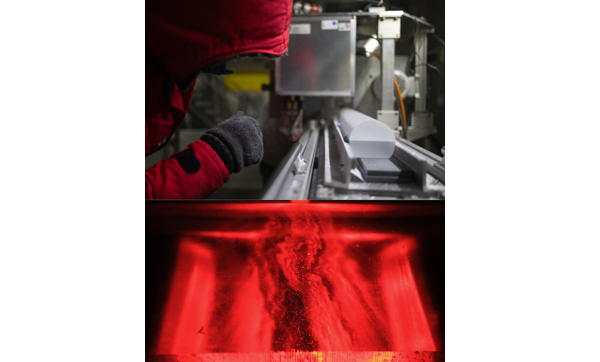
MESMERISE will build on the latest advances in the laser ablation inductively coupled plasma mass spectrometry 2D Imaging technique to retrieve climatic information from the three Greenlandic ice cores NGRIP, NEEM, and RECAP covering the last warm period, the Eemian. The results will lead to a better understanding of the current warm period while improving our interpretation of the climate signal stored in the deepest parts of polar ice cores. This will be highly relevant for other projects such as the quest for the Oldest Ice in Antarctica. Nicolas Stoll will conduct his research at the Department of Environmental Sciences, Informatics, and Statistics of Ca' Foscari with Prof. Carlo Barbante. Further research will be carried out at the Alfred Wegener Institute Helmholtz Centre for Polar and Marine Research in Bremerhaven, Germany, with Prof. Pascal Bohleber and at the Physics of Ice, Climate and Earth section of the University of Copenhagen with Assist. Prof. Anders Svensson.
SKYNET
Estimating the ice volume of Earth's glaciers via Artificial Intelligence and remote sensing
Project number: Grant Agreement n. 101066651
Call identifier: HORIZON-MSCA-2021-PF-01 (MSCA Postdoctoral Fellowships 2021)
Funding body: European Union
CUP: H73C22002010006
MSCA Fellow: Niccolò Maffezzoli
UNIVE Scientific Director (Supervisor): Carlo Barbante
UNIVE status: coordinator
Duration: 01/10/2023 - 30/09/2026
Total project cost: € 288.859,20
Budget UNIVE: € 264.859,20
UNIVE research group: Niccolò Maffezzoli, Carlo Barbante
Estimating the ice volume of Earth's glaciers is a grand challenge of Earth System science. Besides being a critical parameter to model their evolution, knowledge of glacier volumes is fundamental to quantify both global sea level rise and available freshwater resources. Under anthropogenic forcing, shrinking glaciers impacts water availability for almost 2 billion people, and contributes to more than 20% of sea level rise. Improving glacier ice volume estimates is now a top-priority for humans both for the present time and for the future climate scenarios. Today, the amount of satellite data is increasing at such a rate that it cannot be efficiently exploited by traditional processing pipelines. The goal of SKYNET is to develop AI deep learning models capable of exploiting the huge amount of available satellite data to predict and refine the ice volumes of all Earth’s glaciers, from continental glaciers to polar glaciers, including those in the periphery of Greenland and Antarctica. SKYNET will be jointly developed by Ca’ Foscari University of Venice, the University of California Irvine and the Jet Propulsion Laboratory.
EXPEDITE
EXPloring opportunitiEs for developing a risk and resilience climate service baseD on blg daTa and machinE learning
Project number: Grant Agreement n. 101067784
Call identifier: HORIZON-MSCA-2021-PF-01 (Marie Skłodowska-Curie Postdoctoral Fellowships)
CUP: H73C22002000006
MSCA Fellow: Marcello Sano
UNIVE Scientific Director (Supervisor): Andrea Critto
UNIVE status: coordinator
Duration: 01/04/2024 - 31/03/2026
Total project cost: € 188.590,08
Budget UNIVE: € 188.590,08
UNIVE research group: Marcello Sano, Andrea Critto
The EXPEDITE project addresses the urgent need for advanced multi-hazard risk assessments and resilience measures to enhance decision-making for risk management in the EU and globally. Traditional risk assessments often rely on static models, which fail to capture the dynamic and complex nature of climate hazards. This leads to inadequate information for timely decision-making. The project aims to overcome barriers such as data availability, computational costs, and the integration of multiple hazards. By leveraging artificial intelligence technology, EXPEDITE will develop a prototype climate service to provide actionable intelligence to various end-users, including governments and private sectors. The project will focus on creating innovative, cost-effective, and practical solutions that go beyond the current state of the art, aiming to deliver more efficient climate risk and resilience assessments.