

PNRR projects
Department of Environmental Sciences, Informatics and Statistics



The National Recovery and Resilience Plan (PNRR) Italia Domani, approved by the European Commission on 22 April 2021, is part of the Next Generation EU (NGEU) program, the €750 billion package agreed by the European Union in response to the pandemic crisis, and envisages investments of €191.5 billion, financed through the Recovery and Resilience Facility. Divided into six missions (1. Digitalization, Innovation, Competitiveness, Culture and Tourism; 2. Green Revolution and Ecological Transition; 3. Infrastructure for Sustainable Mobility; 4. Education and Research; 5. Cohesion and Inclusion; 6. Health), it aims to support economic recovery, boost PIL growth, and drive digitalization and investment in human capital. The Department supports these objectives, positioning itself within Mission 4. Education and Research - Component 2. From Research to Business.
PNRR
SPIGA
Development of a Green Hydrogen Production platform using innovative Systems
Call identifier: Public notice for the selection of project proposals relating to fundamental research activities under the National Recovery and Resilience Plan (PNRR), Mission 2 "Green Revolution and Ecological Transition", Component 2 "Renewable Energy, Hydrogen, Network and Sustainable Mobility", Investment 3.5 "Hydrogen Research and Development", funded by the European Union - NextGenerationEU pursuant to the decree of the Ministry for Ecological Transition of 23/12/2021, art. 1, paragraph 5, letter A.
CUP: F57G25000230006
UNIVE Scientific Director: Paolo Pavan
UNIVE status: partner
Duration: 01/04/2025 - 30/06/2026
Total project cost: € 3.414.758,00
Budget UNIVE: € 491.250,00
UNIVE research group: Paolo Pavan, Francesco Valentino, Cristina Cavinato
The production of green hydrogen from urban and agricultural waste using biotechnological approaches represents an innovative solution for the transition toward a circular, low-carbon economy. By employing carefully selected microorganisms and advanced biological processes—including dark fermentation supported by the use of promoters and dedicated upstream phases—it is possible to convert the organic fraction of municipal solid waste and agro-industrial residues into volatile fatty acids (important precursors in chemical syntheses) and biohydrogen. This approach enables the valorization of waste and by-products that would otherwise be disposed of, reducing greenhouse gas emissions and dependence on fossil fuels.
The integration of biotechnologies with waste treatment systems also promotes the sustainable production of renewable energy, contributing to energy security and the development of resilient local value chains.
The project aims at designing dedicated bioreactors for this purpose within multi-step laboratory-scale platforms, integrating the technologies across various territorial and productive contexts.
SERICS
Security and Rights in the CyberSpace

Project number: PE0000014
Call identifier: PNRR Project for Mission 4, Component 2, Investment 1.3, funded by the European Union - NextGenerationEU - Notice n. 341 of 15/03/2022 for the submission of intervention proposals for the creation of "Partnerships extended to universities, research centers, and companies for the financing of basic research projects"
CUP: H73C22000890001
UNIVE Scientific Director: Riccardo Focardi
UNIVE status: coordinator Spoke 6, partner Spoke 2 e 3
Duration: 01/01/2023 - 31/12/2025
Total project cost: € 116.360.000,00
Budget UNIVE: € 6.894.258,84
UNIVE research group: Riccardo Focardi, Michele Bugliesi, Guido Caldarelli, Stefano Calzavara, Agostino Cortesi, Paolo Falcarin, Pietro Ferrara, Claudio Lucchese, Flaminia Luccio, Andrea Marin, Marino Miculan (affiliato Uniud), Salvatore Orlando, Marcello Pelillo, Sabina Rossi, Fabiana Zollo, Matteo Busi Matteo, Maikel Lazaro Pèrez Gort
Website: SERICS [ITA] - Spoke 6 SERICS [ITA]
The SEcurity and RIghts in the CyberSpace (SERICS) initiative is aimed at creating a distributed research centre, based on the hub and spoke model, i.e., the establishment of a central hub and 10 thematic spokes, each with specific expertise on a specific topic related to cybersecurity. The spokes are made up of various groupings of universities and companies and deal with various research topics, including interdisciplinary ones, such as: human, social and legal aspects, disinformation and fake news, attacks and defences, security of operating systems and virtualization, cryptography and security of distributed systems, software and platform security, infrastructure security, risk management and governance, digital transformation security, data protection.
Ca' Foscari is responsible for Spoke 6 which deals with software and platform security by investigating both the formal basis of secure programming, in order to facilitate the construction of "secure by design" software systems, and the security of the software supply chain, exploring innovative solutions to secure the software development and management process. Test scenarios will also be developed in collaboration with companies to validate and experimentally evaluate the proposed techniques.
SDEGnO
SDE on GPU for Optimization - Optimization and performances testing of CUDA-(multi)GPU-accelerated codes for the automatic parameterization of physical models based on SDE Monte Carlo algorithms

Project number: Funding agreement to regulate the relationship between the National Institute for Astrophysics - INAF (as leader of Spoke 3) and Ca' Foscari University of Venice in its capacity as Beneficiary of the allocation of funds relating to the Cascade Call issued by Spoke 3 and pertaining to the implementation of the research program CN00000013 "National Centre for HPC, Big Data and Quantum Computing", financed by Directorial Decree no. 1031 of 17/06/2022 using the resources of the PNRR MUR – M4C2 – Investment 1.4 - Notice "National Centers" - D.D. n. 3138 of 16 December 2021, referred to in UNIVE Repertoire n. 531/2024 Prot. 283696/2024 of 18/12/2024
Call identifier: Cascading Call by the National Centr ICSC - "National Centre for HPC, Big Data and Quantum Computing" - code CN00000013, Spoke 3 - "Astrophysics and Cosmos Observation" using PNRR funds assigned to the HPC Program financed by PNRR MUR funds - M4C2 - Investment 1.4 with Directorial Decree n. 1031 of 17/06/2022 - CUP C53C22000350006, published by INAF - National Institute for Astrophysics, approved with Resolution of the General Director of INAF dated 28 February 2024, number 31
CUP: C53C22000350006
UNIVE Scientific Director: Marco Salvatore Nobile
UNIVE status: sole proponent
Duration: 01/09/2024 - 30/11/2025
Total project cost: € 80.093,75
Budget UNIVE: € 80.093,75
UNIVE research group: Marco Salvatore Nobile, Sabina Rossi, Matteo Grazioso, Leone Bacciu
The SDEGnO project aims to develop high-performance general-purpose simulators for the simulation and automatic calibration of physical models based on stochastic differential equations (SDE). The initiative seeks to implement an integrated framework that, through the use of Monte Carlo techniques and global optimization algorithms (including evolutionary strategies and swarm intelligence methodologies) significantly reduces simulation times and energy consumption, while ensuring high precision in the results.
In the first phase, the team focuses on optimizing CUDA codes by fully leveraging the capabilities of NVIDIA multi-GPU architectures. This includes refining memory management and adopting Single Instruction, Multiple Data (SIMD) techniques to maximize computational efficiency. The subsequent phase plans to integrate advanced algorithms for the automatic search and calibration of physical parameters, allowing for dynamic adaptation to various application cases. The resulting framework, which is replicable and scalable, will provide strategic support to future research groups in the HPC field and help strengthen both the scientific competitiveness and the economic impact of the sector.
ITINERIS
Italian Integrated Environmental Research Infrastructures System

Project number: IR0000032
Call identifier: PNRR Project for Mission 4, Component 2, Notice n. 3264 of 28/12/2021 "Strengthening and Creation of IRs as Part of the National Recovery and Resilience Plan"
CUP: B53C22002150006
UNIVE Scientific Director: Marco Roman
UNIVE status: partner
Duration: 01/11/2022 - 30/04/2025
Total project cost: € 155.208.808,81
Budget UNIVE: € 1.900.000,00
UNIVE research group: Marco Roman, Daniele Zannoni, Mara Bortolini
Website: ITINERIS
The aim of the ITINERIS project is to build the Italian hub of research infrastructures for the observation and study of environmental processes in the atmosphere, in the marine domain, in the terrestrial biosphere, and in the geosphere. In this context, ITINERIS will support the Country by providing access to data and services that can help research agencies, educational institutions and policy makers to study and address present and future environmental challenges. DAIS, together with DSMN and ISP-CNR, contributes to the Work Package 4 “Atmosphere” of the ITINERIS project with the Centre for Trace Analysis (CeTrA) infrastructure. The atmosphere has always been one of the primary domains of research at DAIS and CeTrA, with particular focus on technologies for air quality monitoring, aerosols characterization, dynamics of long-range atmospheric transport, and source apportionment. In the context of the ITINERIS project, CeTrA expects to achieve the following specific objectives:
- expand/upgrade the observational capabilities of the infrastructure,
- fully digitize the access to the instrumental resources and to the data generated by CeTrA (the latter under FAIR principles),
- harmonization of the data generated by CeTrA in compliance with ITINERIS partners,
- development and standardization of innovative methodologies
- cross-training education, information and public awareness on environmental topics.
PRIN-PNRR 2022
EasyWalk
EasyWalk: An Intelligent Social Walker for active living
Project code: PRIN-PNRR22 P2022XJ7TE
Project number: Directorial Decree for Admission to funding prot. n. 1382 of 01/09/2023
Call identifier: Call for proposals PRIN PNRR_2022_DD_1409_14-09-2022, sector PE6, funded by the European Union - NextGenerationEU - PNRR - M.4 C.2, Investment 1.1 Fund for the National Research Programme and Projects of Relevant National Interest (PRIN)
CUP: H53D23008220001
UNIVE Scientific Director: Sebastiano Vascon
UNIVE status: partner
Duration: 30/11/2023 - 27/02/2026
Total project cost: € 239.976
Budget UNIVE: € €80.009,00
UNIVE research group: Sebastiano Vascon, Marcello Pelillo, Rahman Muhammad Rameez Ur
Website: EasyWalk
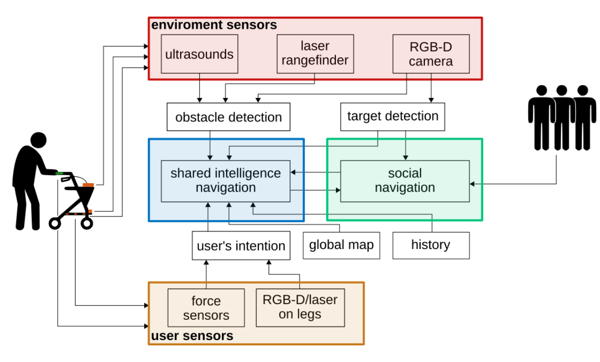
In recent years, several smart walker prototypes have been developed, but their practical impact remains limited due to lack of reliability, insufficient human-machine interaction, and high costs. The EasyWalk project offers an innovative solution: a low-cost, simple, and reliable walker capable of understanding the user’s intentions based on environmental context. By using affordable sensors (such as RGB-D cameras and force sensors), the system aims to ensure safe navigation even in unknown environments. EasyWalk integrates human and robotic intelligence through advanced techniques, with the goal of increasing user trust and adoption, especially among older adults.
This is a joint project between the University of Padua (coordinator), the University of Catania, and Ca’ Foscari University. Specifically, the Ca’ Foscari team will develop the computer vision modules for scene understanding (obstacles, points of interest), analysis of social signals (group detection), trajectory prediction, and recognition of individuals familiar to the user.
AMADEUS
Automatic Modelling and verificAtion of Dedicated sEcUrity deviceS

Project code: P2022EPPHM, sector PE6, funded by the European Union - NextGenerationEU - PNRR - M.4 C.2, Investment 1.1 Fund for the National Research Programme and Projects of Relevant National Interest (PRIN)
Project number: Directorial Decree for Admission to funding prot. n. 1382 of 01/09/2023
Bando: PRIN Call PNRR_2022_DD n.1409 of 14/09/2022
CUP: H53D23008130001
UNIVE Scientific Director: Flaminia Luccio
UNIVE status: partner
Duration: 30/11/2023 - 29/11/2025
Total project cost: € 224.461,00
Budget UNIVE: € 63.606,00
UNIVE research group: Flaminia Luccio, Riccardo Focardi
The AM∀DEUS project aims to develop a method for specifying and verifying dedicated security devices (DSDs). This will enable developers to automatically generate formal models from a device's implementation and verify its security properties. The project focuses on two DSD types: embedded Trusted Execution Environments (TEEs), which use hardware isolation to securely run software, and Hardware Security Modules (HSMs), used for encryption and key management in critical systems like finance and government.
The project will define threat models, create methods to build formal models from device implementations, and develop techniques to verify security and identify vulnerabilities.
INSYDE-HU
Integrated systemic detection of pollutants in the human body
Project code: PRIN2022 PNRR P2022RJCHC
Project number: Directorial Decree for Admission to funding prot. n. 1369 of 01/09/2023
Call identifier: Call for proposals PRIN PNRR_2022_DD_1409_14-09-202, sector LS7 - Project funded by the European Union – NextGenerationEU - PNRR – M.4 C.2, Investment 1.1 Fund for the National Research Programme and Projects of Relevant National Interest (PRIN)
CUP: H53D23010450001
UNIVE Scientific Director: Marco Roman
UNIVE status: coordinator
Duration: 30/11/2023 - 29/11/2025
Total project cost: € 230.822,00
Budget UNIVE: € 85.241,00
UNIVE research group: Marco Roman, Andrea Gambaro, Matteo Feltracco
Website: INSYDE-HU
Human biomonitoring (HBM) is a pivotal approach in human health protection against environmental pollutants, that relies on measuring their actual level in the body. Introduced in the field of occupational medicine, HBM has been implemented to the large-scale monitoring of unexposed population, especially through recent EU level-coordinated joint initiatives such as HBM4EU. While the standard HBM strategy is based on the analysis of minimally invasive matrices (blood, urine), monitoring human tissues on selected subjects would provide highly informative data on the actual level of toxicants in target organs, particularly upon chronic exposure, but it is highly challenging and virtually unexplored. The INSYDE-HU project aims to overcome these limits by setting up an innovative analytical platform targeted to explore the potential for biomonitoring in tissues from not-embalmed cadavers and surgical wastes (adipose tissue) from living subjects. The project develops new methodologies to determine contaminants of concern that share a potential of population exposure, toxicological relevance and lack of literature data on their actual presence and level in the human body, focusing its applications on case-studies of systemic distribution.
PRIN 2022
SOS
Success of Salix shrubs encroachment leading to a major vegetation and landscape change in the Italian Alps

Project number: PRIN22 2022THPXNH
Call identifier: PRIN 2022 Call - DD_n._104_del_02-02-2022 Macro-sector Life Sciences sector LS8 - Environmental Biology, Ecology and Evolution
Funding body: MUR
CUP: H53D23003330006
UNIVE Scientific Director: Dario Battistel
UNIVE status: partner
Partnership: University of Insubria, National Research Council (Messina), Ca' Foscari University of Venice
Duration: 05/10/2023 - 04/10/2025
Total project cost: € 238.328,00
Budget UNIVE: € 32.811,00
Co-financing required: € 9.342,00
UNIVE research group: Dario Battistel, Carlo Bragato
The SOS project aims to investigate the expansion of shrub plants as a widespread response to climate change in the European Alps, focusing on the proliferation of hygrophilous willows in various alpine habitats. These shrubs are altering vegetation from subalpine shrublands to alpine meadows and snowbeds across a 1000-meter elevation gradient. The project seeks to understand the success mechanisms of these willows compared to other target species (Rhododendron ferrugineum, Carex curvula, Salix herbacea), focusing on three aspects:
- plant traits, phenology, and photosynthetic performance;
- soil microbiota, including root mycorrhizae;
- soil physicochemical characteristics and plant nutrient availability.
Leveraging the results of the PRIN RESACC project, the study will take place in the upper Valtellina (Italian Central Alps) in three valleys (Braulio, Foscagno, Gavia) across elevation gradients. A species-specific approach will be adopted to understand whether willow expansion is due to superior physiological performance, changes in soil microbiota, or their mycorrhizal symbionts. The project will have scientific impacts on plant-soil relationships, particularly focusing on the role of plant microbiomes in aiding adaptation to climate change. It aims to propose mitigation actions for climate change in mountain environments, including the use of mycorrhizal inoculation to promote ecosystem productivity and sustainability.
Maricostems
Neglected microbial diversity of coastal hypersaline environments and marine transition areas: study of its dark matter and hidden treasures
Project number: PRIN22 2022FLKW8E
Call identifier: PRIN 2022 Call - DD_n._104_del_02-02-2022 Macro-sector Life Sciences sector LS8 - Environmental Biology, Ecology and Evolution
Funding body: MUR
CUP: H53D23003270001
UNIVE Scientific Director: Bessem Chouaia until 31 January 2024, from 1 February 2024 Marco Picone
UNIVE status: partner
Partnership: University of Tuscia, Dr. Susanna Gorrasi; University of Cagliari, Dr. Nicole Grandi
Duration: 05/10/2023 - 04/10/2025
Total project cost: € 201.553,00
Budget UNIVE: € 62.767,00
UNIVE research group: Bessem Chouaia, Marco Picone
Website: Maricostems
Transitional waters include a plethora of different dynamic environments, including coastal lagoons, salterns, and salt marshes, exhibiting marked heterogeneity. These ecosystems experience frequent and abrupt fluctuations in various environmental parameters, such as pH, temperature, and salinity, sometimes exacerbated by significant anthropogenic pressures. These dynamics profoundly impact microbial communities, necessitating a high degree of adaptability. However, these environments and their microbial communities, encompassing the viral component, are often underestimated, and their chemical and biological diversity remains largely underappreciated. Consequently, there is a compelling rationale for in-depth investigation to comprehend their complete ecological role, potential to harbor pathogens, novel microbial strains, or overlooked species with distinctive traits exploitable for discovering new bioactive compounds.
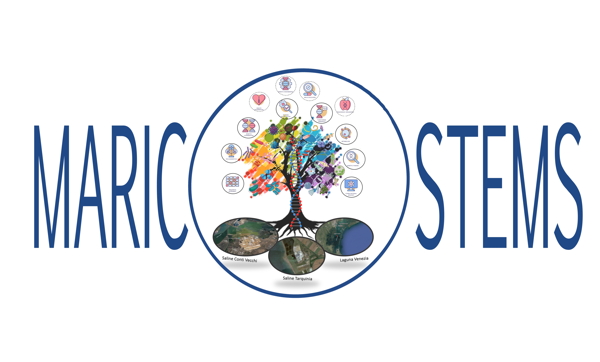
This project focuses on investigating three specific marine transitional zones: the "Saline di Tarquinia" (a non-active saltern), the "Saline Conti Vecchi" (an active saltern), and the Venice lagoon. Our analysis encompasses a comprehensive examination of their microbial populations (prokaryotic and eukaryotic) and viral biota. Cutting-edge sequencing technologies will be employed to unravel the environmental biodiversity, elucidating its functionality and potential to host pathogens or microorganisms valuable for biotechnological applications, such as the production of bioactive molecules.
PL_ASTICI
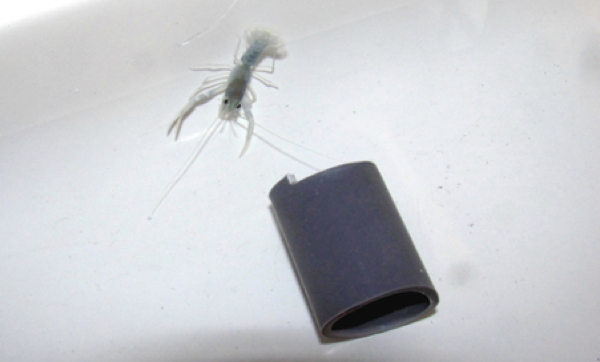
Phenotypic plasticity in a rapidly changing word: an ontogenetic perspective for improving aquaculture and conservation practices of the European lobster
Project number: PRIN22 20223EETLW
Call identifier: PRIN 2022 Call - DD_n._104_del_02-02-2022 Macro-sector Life Sciences sector LS8 - Environmental Biology, Ecology and Evolution
Funding body: MUR
CUP: H53D23003220006
UNIVE Scientific Director: Stefano Malavasi
UNIVE status: partner
Partnership: University of Tuscia, University of Florence, Ca' Foscari University of Venice
Duration: 05/10/2023 - 04/10/2025
Total project cost: € 205.323,00
Budget UNIVE: € 56.493,00
Co-financing required: € 6.493,00
UNIVE research group: Stefano Malavasi, Chiara Facca, Francesco Cavraro, e assegnista di ricerca
Marine decapods are increasingly exploited worldwide. Among them, the European lobster (Homarus gammarus Linneus, 1758), reaches one of the highest commercial value and wild stocks are severely impacted by overfishing. The research will be dedicated to the analysis of the phenotypic plasticity of juvenile European lobster Homarus gammarus in the prospectivity of restocking actions. The work will use two populations (Tyrrhenian and Adriatic) and will be mainly developed at the facilities of the University of Tuscia (Unitus), Department of Ecological and Biological Sciences. Unitus has well established structures dedicated to the housing and handling of this species. The main objective is to increase the probability of success of restocking actions, favouring the survival of released juveniles. Laboratory tests and post-release field tests will be conducted in order to:
- explore how and to what extent environmental conditions affect the ontogeny of the species,
- explore how to determine the behavioural repertoire of individuals in order to improve their performance and ecological competence in nature.
SMARTsports
Statistical Models and AlgoRiThms in sports. Applications in professional and amateur contexts, with able-bodied and disabled athletes

Project number: PRIN22 2022R74PLE SMARTsports
Call identifier: PRIN 2022 Call - DD_n._104_del_02-02-2022, sector PE1 - PNRR - M.4 C.2, Investment 1.1 Fund for the National Research Program and Projects of Relevant National Interest (PRIN)
Funding body: MUR
CUP: G53D23001870006 (CUP Operating Unit of the University of Udine, in which Prof. Giummolè is involved)
UNIVE Scientific Director: Federica Giummolè (external member UO of the University of Udine)
UNIVE status: external member UO of the University of Udine
Partnership: University of Trieste (Leader), University of Brescia (Partner), University of Udine (Partner)
Duration: 28/09/2023 – 27/09/2025
Total project cost: € 254.697,00
Budget UNIVE: only valorization of hours Prof. Federica Giummolè
UNIVE research group: Federica Giummolè
The SMARTsports project is designed to put together a wide range of expertise in the fields of statistical modelling, multivariate data analysis, statistical learning and algorithmic modelling applied to sports analytics and sport psychometrics, with analyses carried out in professional and amateur contexts, with able-bodied and disabled athletes. The main research topics are performance measurement and analysis, identification of success factors and optimal game strategies, forecasting, assessment of athletes’ psychological characteristics and their relationship with sport performance and physical/mental wellness (with a special focus on sport practice outcomes in well-being of disabled people), with applications in professional and amateur contexts.
PAT
Perturbation problems and asymptotics for elliptic differential equations: variational and potential theoretic methods
Project number: PRIN22 2022SENJZ3
Call identifier: PRIN 2022 Call - DD_n._104_del_02-02-2022, sector PE1 - PNRR - M.4 C.2, Investment 1.1 Fund for the National Research Program and Projects of Relevant National Interest (PRIN)
Funding body: MUR
CUP: H53D23002070006
UNIVE Scientific Director: Gabriele Santin
UNIVE status: partner - Lead partner: University of Eastern Piedmont "Amedeo Avogadro" - Vercelli (Lead partner) - Other partners: University of Padua, University of Rome "La Sapienza", University of Basilicata
Duration: 28/09/2023 – 27/09/2025
Total project cost: € 218.850,00
Budget UNIVE: € 9.329,00 (of which € 2.971,00 co-financing)
UNIVE research group: Gabriele Santin, Andrea Torsello
Website: PAT
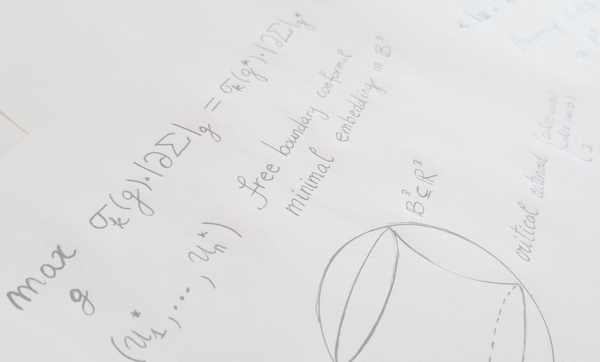
In this project we consider perturbation and asymptotic problems for elliptic differential equations. We consider several different types of perturbation: domain (regular and singular perturbation for electromagnetic, degenerate, Steklov, nonlinear and higher order problems, corner singularities, etc.), mass and geometry (eigenvalue bounds and optimization), coefficients (regularity and stability, constant/nonconstant cases). The main aim of the project is to exploit the interplay between potential theory and calculus of variations and, on a higher scale, to involve more prominently geometric ideas in unprecedented ways: we will not only study perturbation and asymptotic problems in Riemannian settings, but also apply geometric techniques for the study of problems in Euclidean spaces. Aside from actual perturbation problems, we also consider more abstract, foundational questions that are necessary to improve the understanding of the geometrical and functional structure, such as: the role of the mass from a geometric point of view; domain perturbation in a general Riemannian setting; reducible operators for solving general BVPs; numerical computation of potentials; regularity properties of layer potentials; etc.
SMarT4BioArCH
Reversible adsorbent smart materials for molecular archeology to disclose palaeolithic stone tools as bioarchives
Project number: PRIN22 2022XX8BRT
Call identifier: PRIN 2022 Call - DD_n._104_del_02-02-2022 - Macro-sector PE Physical Sciences and Engineering sector PE4
Funding body: MUR
CUP: H53D23003960006
UNIVE Scientific Director: Elena Badetti
UNIVE status: partner
Partnership: University of Florence (PI, Prof. Luigi Dei)
Duration: 28/09/2023 - 27/09/2025
Total project cost: € 205.815,00
Budget UNIVE: € 103.006,00
Co-financing required: € 4.341,00
UNIVE research group: Elena Badetti, Elena Semenzin
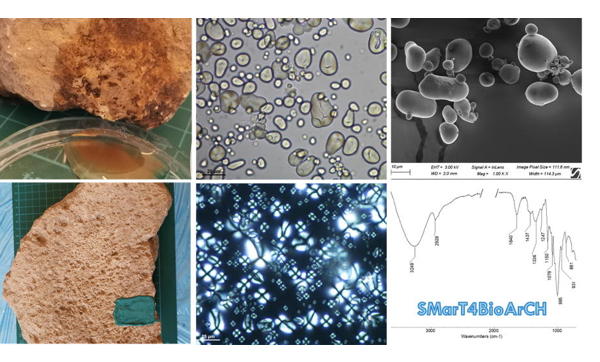
The retrieval of biogenic residues still adhering to the surfaces of ground stone tools dating to the Late Pleistocene, provided the evidence that Homo sapiens was mechanically grinding plants for different purposes - food and other perishable technologies – since its early dispersal into Eurasia, occurred between 60-25 ka BP. Biogenic residues such as starches, which recognition is challenging due to their micrometric size, are currently dislodged from the archaeological stone tools by wet extraction (sonication) or mechanical stripping (using peels of polyvinyl derivatives), although both procedures demonstrated some drawbacks related to the putative sample alterations. On these bases, SMart4BioArCH aims to develop innovative smart materials acting as reversible adsorbents for entrapping (from the surface) and then releasing biogenic residues (for lab treatments) that will be tested on a selection of stones from a relevant museum collection, with the final goal to investigate both morphology and physicochemical properties of the residues. The new adsorbent materials/compounds will be tested prior on proxies obtained by means of replicative experiments setup (using a selection of rocks and starchy plants consistent with the archaeological context) and then on real archaeological items. SMart4BioArCH aims at developing innovative and less invasive procedures to extract genuine archaeological residues for further physicochemical characterization, implementing the conventional one carried out by means of optical microscopy, and allowing to shed light on which type of plants were available to humans during their successful colonization of Eurasia.
WHAM!
Watermarking Hazards and novel perspectives in Adversarial Machine learning
Project number: PRIN22 2022ZZX57L
Call identifier: PRIN 2022 Call - DD_n._104_del_02-02-2022 - Macro-sector PE Physical Sciences and Engineering sector PE6
Funding body: MUR
CUP: H53D23003750006
UNIVE Scientific Director: Salvatore Orlando
UNIVE status: coordinator
Partnership: National Research Council (CNR) - Dr. Giuseppe Manco
Duration: 28/09/2023 - 27/09/2025
Total project cost: € 281.298,00
Budget UNIVE: € 140.720,00
Co-financing required: € 41.000,00
UNIVE research group: Salvatore Orlando, Stefano Calzavara, Claudio Silvestri
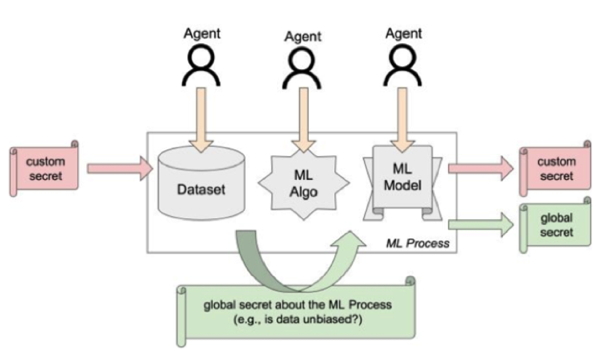
WHAM! recognizes the increasingly important role of the Machine Learning-as-a-service (MLaaS) paradigm, which delegates most of the training pipeline to third parties. In this new context, traditional security assessment techniques covered by Adversarial ML (poisoning, evasion, inversion, or pattern mining attacks) may need to be adapted. WHAM! aims to improve and certify the robustness of artificial intelligence systems throughout the MLaaS pipeline by investigating new schemes for embedding information in ML models at training time for security purposes, with the goal of simplifying model certification at the time of testing. For instance, embedded watermarks to check whether the MLaaS provider has used the submitted dataset in its entirety, or conversely whether the model has been exposed to potential bias. Some points of interest of the project are:
- the security implications of information hiding mechanisms when used with AI/ML frameworks;
- the effectiveness of watermarks with respect to their exploitability for malicious campaigns;
- defense mechanisms to prevent exfiltration attacks using watermarks.
Hydro-ROM
Reduced order models of hydraulic protection systems for extreme water hazards
Project number: PRIN22 2022PXYYK5
Call identifier: PRIN 2022 Call - DDG n. 104 of 2/02/2022 - PE8
Funding body: MUR
CUP: H53D23001350006
UNIVE Scientific Director: Damiano Pasetto
UNIVE status: partner
Partnership: UNIPD Department of Mathematics, PI Prof. Antonia Larese; UNIVE
Duration: 28/09/2023 - 27/09/2025
Total project cost: € 228.862,00
Budget UNIVE: € 61.300,00
Co-financing required: € 28.300,00
UNIVE research group: Damiano Pasetto, Gabriele Santin
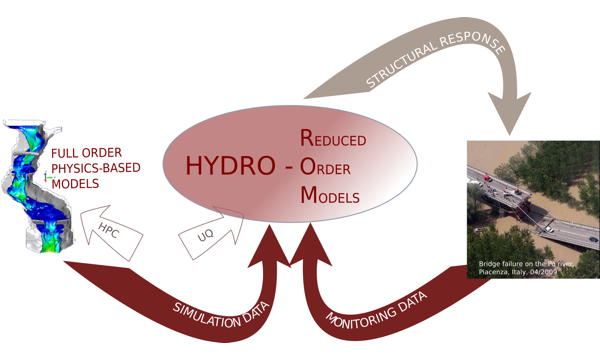
Extreme hydrological events, such as floods and rock/debris or mud flows, are in rapid growth and this tendency will keep worsening in the near future. Our levees, dams, check dams, and flood control structures have mostly been conceived based on design criteria not adequate to the actual frequency and intensity of extreme hydrological events. This means that, in many cases, we cannot predict the response of an operating hydraulic structure to unforeseen events, preventing timely planning of adequate retrofitting intervention.
The physical description of these hydraulic systems takes into account the mutual interaction between the fluid phase and the deformable boundary of the structures. The numerical simulation of these coupled systems is extremely computationally demanding, thus limiting the practical application of these numerical models.
The goal of the project is the creation of Digital Twins (DTs) for hydraulic and protection structures under hydrological hazards such as floods and debris flows. The DT must be able to predict the structure response in real-time to adapt to the fast-flowing measurement data. The needed computational speed will be achieved combining Data Assimilation (DA) and Reduced Order Models (ROMs) to design machine learning techniques for complex and accurate high fidelity DTs. ROMs will capture the relevant features of the real process, while guaranteeing the computational efficiency for quasi real time applications. DAs will continuously correct and optimize the ROMs by the seamless flow of monitoring data during operational conditions.
ATTRACTION
ATlantificaTion dRiven by polAr-subpolar ConnecTIONs

Project number: PRIN22 2022CCRN7R
Call identifier: PRIN 2022 Call - DD_n._104_del_02-02-2022 PE10
Funding body: MUR
CUP: H53D23001550006
UNIVE Scientific Director: Davide Zanchettin
UNIVE status: partner
Partnership: ISP-CNR (Institute of Polar Sciences), OGS (National Institute of Oceanography and Experimental Geophysics)
Duration: 28/09/2023 - 27/09/2025
Total project cost: € 247.413,00
Budget UNIVE: € 77.696,00
Co-financing required: € 17.026,00
UNIVE research group: Davide Zanchettin, Francesco de Rovere, Matteo Mastropierro, Angelo Rubino
Arctic sea ice extent has strongly declined during the past decades. This is especially pronounced at the Atlantic-Arctic boundary where warm and salty waters of Atlantic origin are progressively replacing the Arctic halocline layer. This phenomenon, known as Atlantification of the Arctic Ocean, has large-scale impacts on several environmental and economic aspects including retreat of the tide-water glaciers, stability of slope gas hydrates and sea ice loss. ATTRACTION proposes to analyse new archives from a strategic region of the Arctic bathed by the Atlantic inflow to provide novel data on sea-ice dynamics and seawater properties throughout the last millennium and compare these proxy-based reconstructions with ensembles of state-of-the-art paleoclimate and historical simulations to identify robust subpolar-polar connections. By combining novel evidence from sediment cores with model results, both validated by modern observations, ATTRACTION will shed new insights into the nature of Atlantification and will benchmark the ability of models to simulate the phenomenon. The project will ultimately assess our current capability in predicting future evolution in a region which is expected to face some of the most dramatic changes on Earth in a global warming scenario.
CONSTRAIN
CarbON exchange processes across STReAm INterfaces
Project number: PRIN22 20223XTPK7
Call identifier: PRIN 2022 Call - DD_n._104_del_02-02-2022 PE10
Funding body: MUR
CUP: H53D23001420006
UNIVE Scientific Director: Enrico Bertuzzo
UNIVE status: partner
Partnership: University of Padua, Department of Civil, Building, and Environmental Engineering
Duration: 28/09/2023 - 27/09/2025
Total project cost: € 279.853,00
Budget UNIVE: € 63.209,00
Co-financing required: € 15.474,00
UNIVE research group: Enrico Bertuzzo, Giulia Grandi
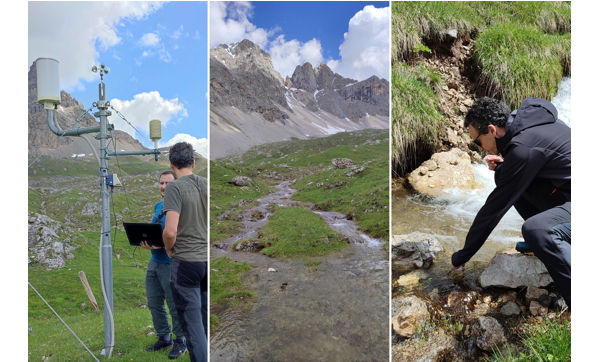
Streams and rivers collect organic and inorganic carbon delivered from the terrestrial ecosystem or produced in the stream. Organic carbon can then be respired by heterotrophic organisms to carbon dioxide (CO2), the primary greenhouse gas of the modern atmosphere. However, estimation of these fluxes is largely uncertain because current research has often disregarded the impact of hydrodynamic and morphologic traits on in-stream carbon cycling and the key role of mass exchange terms across different stream interfaces. The CONSTRAIN project aims at filling this gap through an integrated framework encompassing theoretical and observational studies across different disciplines. The project will pursue 3 main objectives:
- a detailed characterization of the hydrological flowpaths;
- the analysis of the main processes controlling metabolic activities and CO2 emissions;
- the analysis of the implications for the upscaling of processes and fluxes at the network level.
Activities include measurements of water quality, hydromorphological features and outgassing rates and the development of a comprehensive model, aimed at the description of in-stream carbon dynamics. The project will enhance our understanding of the role played by hydrologic variability on the metabolism of complex river networks, unravelling the multifaceted dynamical relationships that link rivers with the surrounding environment and allowing a robust assessment of the contribution of freshwaters to CO2 emissions.
RISE
Rethinking and Innovating Statistics for Extremes

Project number: PRIN22 2022FJ3SLA
Call identifier: PRIN 2022 Call - DD_n._104_del_02-02-2022 PE1
Funding body: MUR
CUP: H53D23002010006
UNIVE Scientific Director: Ilaria Prosdocimi
UNIVE status: coordinator
Partnership: Ca' Foscari University of Venice, University of Padua
Duration: 28/09/2023 - 27/09/2025
Total project cost: € 240.618,00
Budget UNIVE: € 151.309,00
Co-financing required: € 51.131,00
UNIVE research group: Ilaria Prosdocimi, Isadora Antoniano Villalobos
Extreme value analysis is routinely used in a variety of scientific fields to estimate the frequency of extreme events, such as earthquakes, extreme rainfall, or extreme financial losses. The RISE project will introduce novel theoretical, methodological, and applied contributions to better analyse extreme value data. These will relax some of the common but stringent mathematical assumptions on the data generating process. The project aims at providing practical and applicable solutions for real-world analysis of extreme value data, by proposing methods based on innovative theoretical foundations. In particular, the project contributions will be based on the use of Bayesian and frequentist nonparametric and semiparametric methods, whose potential could be further exploited in extreme value statistics.
BIOREFINE
BIOtechnological tRansformation of municipal wastEs into high value compounds: volatile fatty acIds, polyhydroxyalkaNoates, and biofuEls
Project number: PRIN22 2022XWAMNL
Call identifier: PRIN 2022 Call - DDG n. 104 of 2/02/2022 - PE8
Funding body: MUR
CUP: H53D23001390006
UNIVE Scientific Director: Paolo Pavan
UNIVE status: partner
Partnership: University of Verona, Ca' Foscari University of Venice, University of Rome "La Sapienza"
Duration: 28/09/2023 - 27/09/2025
Total project cost: € 250.122,00
Budget UNIVE: € 81.034,00
Co-financing required: € 17.124,00
UNIVE research group: Paolo Pavan, Francesco Valentino
The transition of industrialized societies into a circular economy model implies the necessity to develop new processes and products able to transform waste into valuable goods. A very important part of this approach is linked to the management of the flow of organic material, where organic waste rich in biodegradable carbon are recycled and upcycled to obtain high added value biobased molecules: this residual carbon, coming from organic waste, can be the new oil for our society.
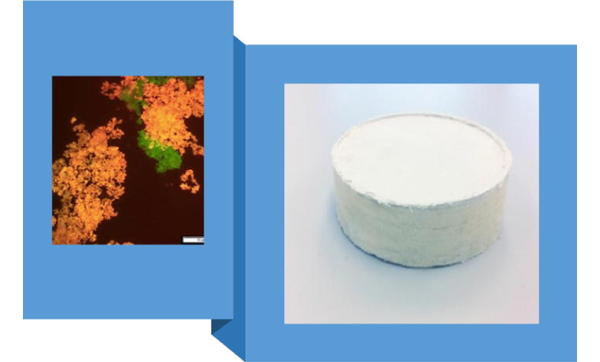
According to this global vision, the BIOREFINE project will develop and apply a multi-purpose and multi-products biorefinery where volatile fatty acids (VFA), polyhydroxyalkanoates (PHA), hydrogen (H2) and methane (CH4) will be produced from the organic fraction of municipal solid waste (OFMSW) as feedstock.
In particular, the project aims at up-cycling organic waste from typical poor products like compost and methane into high added value bio-products like VFA and PHA as well as hydrogen. PHA will be then used in additive manifacturing processes (3D printing) to obtain some end-product samples.
Moreover, the final fate of PHA and obtained bioplastic objects will be investigated in terms of their biodegradability under anaerobic conditions considering both the typical retention time of anaerobic digesters and prolonged time span (natural conditions). Only the residual part of processed organic waste will be then transformed into methane/compost.
PHOTOPLAST
PHOTOtransformation of PLASTic particles in the environment
Project number: PRIN22 20227FS42S
Call identifier: PRIN 2022 Call - DD n. 104 of 02-02-2022, sector PE4, Physical and Analytical Chemical Sciences
Funding body: MUR
CUP: H53D23003800006
UNIVE Scientific Director: Antonio Marcomini
UNIVE status: partner
Partnership: University of Turin, Ca' Foscari University of Venice, National Research Council of Bari
Duration: 28/09/2023 - 27/09/2025
Total project cost: € 227.184,00
Budget UNIVE: € 72.640,00
Co-financing required: € 9.600,0
UNIVE research group: Antonio Marcomini e collaboratori del gruppo di ricerca
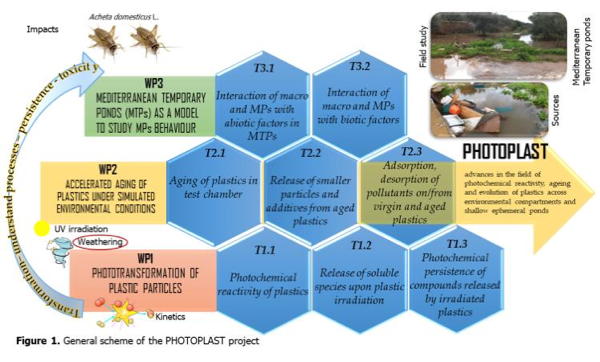
PHOTOPLAST involves the study of environmental contamination of different types of plastics, depending on both their origin and biodegradability, in reference to:
- photochemical reactivity and accelerated aging of the plastics under study;
- adsorption/desorption balances of contaminants (in particular agrochemicals) on/from plastics (both unaltered and aged in the laboratory), to explore the role of micro- and nano-plastic materials in transport phenomena through the different environmental compartments ;
- natural aging of plastics in shallow ponds where they are particularly exposed to sunlight, especially during the summer period.
Particular attention will be paid to understanding how accelerated aging (by varying the intensity of radiation, temperature and humidity) of the different types of selected plastics can modify their surface properties and influence their susceptibility to fragmentation, as well as the release of any additives and the adsorption/desorption of contaminants. The research activity includes the study of both macroplastics, microplastics (MP) and nanoplastics (NP), which, having a high surface/volume ratio, are more reactive than larger plastics as well as more prone to adsorb pollutants.
The transfer and dissemination of the knowledge acquired during the project will be guaranteed to potential beneficiaries, such as environmental control agencies, environmental associations, the general public, through scientific conferences, newsletters, public debates and events aimed at students of all levels, ensuring appropriate media coverage.
EYE-FI.AI
going bEYond computEr vision paradigm using wi-FI signals in AI systems

Project number: PRIN22 2022AL45R2
Call identifier: PRIN 2022 Call - DDG n. 104 of 2/02/2022 Sector ERC PE6 "Computer Science and Informatics"
Funding body: MUR
CUP: H53D23003500001
UNIVE Scientific Director: Luca Cosmo
UNIVE status: partner
Partnership: University of Rome "La Sapienza"
Duration: 28/09/2023 - 27/09/2025
Total project cost: € 214.435,00
Budget UNIVE: € 74.345,00
UNIVE research group: Luca Cosmo, Alessandro Bicciato
The project EYE-FI.AI proposes a new paradigm in which tasks such as person re-identification, scene synthesis, and human action recognition can be implemented by monitoring Wi-Fi signals, rather than relying on images or videos. The Wi-Fi signal passing through people and objects undergoes substantial and distinctive changes, which can serve as a radio biometric signature and enable the monitoring of a person's movements. The advantages of a radio-based system, compared to a standard image-based one, include flexibility in viewing angles, robustness to camouflage, and the capability for long-range inspection. Conversely, from video surveillance systems, powerful Wi-Fi signals can indeed pass through physical obstacles like walls and buildings.
This is a joint project with the Sapienza University of Rome. Ca’ Foscari University, in particular, will focus on developing new machine-learning algorithms to address tasks such as image and skeleton synthesis and human action recognition from radio signals.